Northwestern physicists hold one antimatter particle for months
Gerald Gabrielse's team cooled a single positron nearly to absolute zero and suspended it for months in a trap with no walls, a step toward a sharper matter-antimatter comparison.

Read the original
The reporting lives at Northwestern Now. Our summary is checked against it, and we link it on every story.
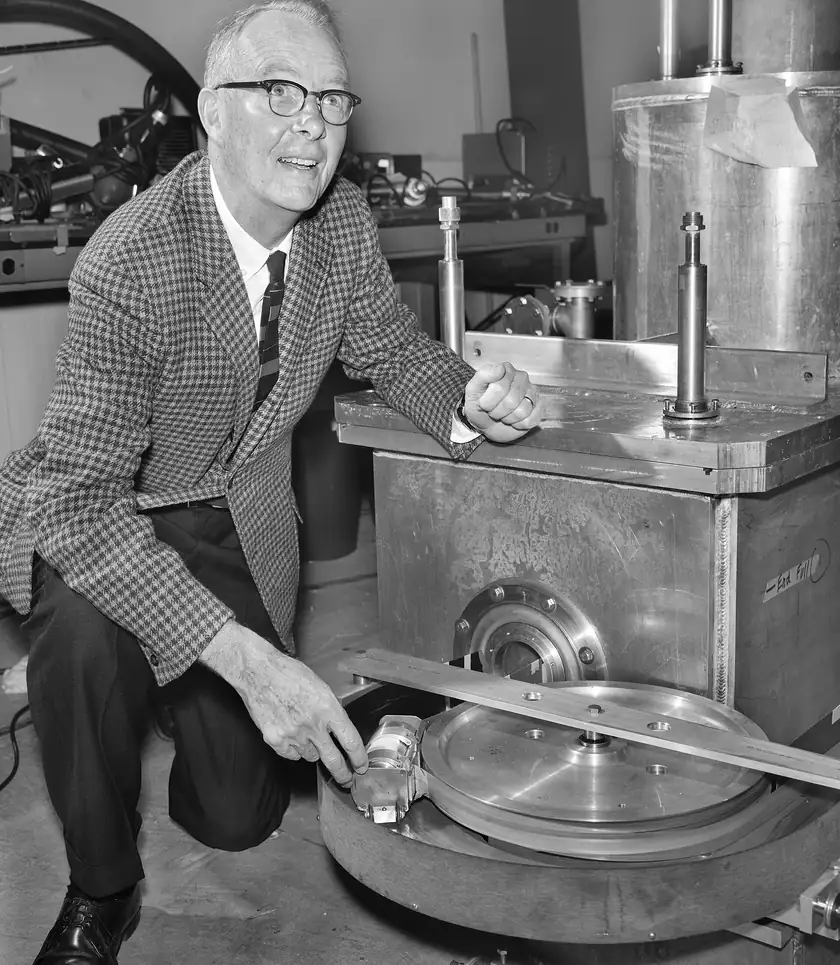
Northwestern physicists have held a single positron, the antimatter twin of an electron, for months, the university reported. Gerald Gabrielse's team captured the fast particle from the radioactive decay of sodium-22, slowed it, and cooled it to nearly absolute zero. Electric and magnetic fields then suspend it in a near-perfect vacuum so it never touches the container. A touch of ordinary matter would make it vanish. Gabrielse said the setup is not dangerous, because the lab does not have enough antimatter to make an explosion.
The group calls the controlled state a one-positron quantum cyclotron. The study, published in Physical Review Letters, does not finish the comparison with ordinary electrons. It puts one positron under the kind of control that could make that symmetry test more precise than earlier ones.
For the classroom
Physicists at Northwestern University caught one positron, a tiny particle that is the opposite of an electron. They slowed it down, cooled it close to the coldest temperature possible, and held it for months inside a special trap. Electric and magnetic fields keep it floating so it never touches the container. If it touched ordinary matter, it would disappear. Gerald Gabrielse, who led the work, said the particle is not dangerous because they have only one. The team published the result in Physical Review Letters. Holding it still lets scientists compare it with an electron more carefully than before.
- Why can't scientists put this particle in an ordinary jar?
- What is the difference between an electron and a positron?
- Why would holding one particle for months count as a big step?
For a teacher to read with a class. Print the story of the day · All classroom stories
More good news
Other stories in the same neighborhood of kindness.
 Community
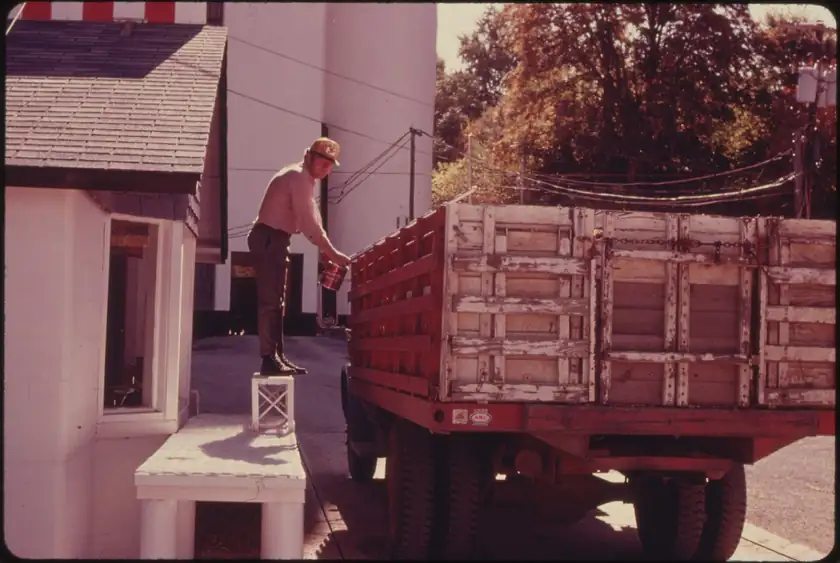
4-H kids deliver harvest thank-yous to grain elevator crews
Kendall County 4-H members packed bags with water, snacks, baked goods, and a note, then handed them to people working the grain elevators.
Verified · Shaw Local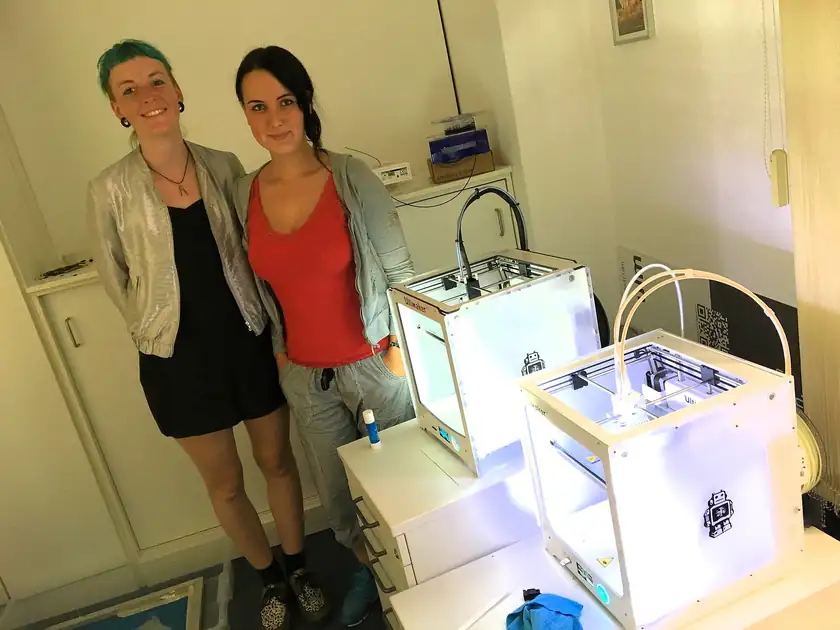 Community
A Peoria club opens a tech-filled learning room
A $45,000 Panda Cares Center of Hope at the Grinnell Boys and Girls Club gives kids ages 6 to 18 iPads, laptops, a digital whiteboard, educational VR, and a 3D printer.
Verified · WMBD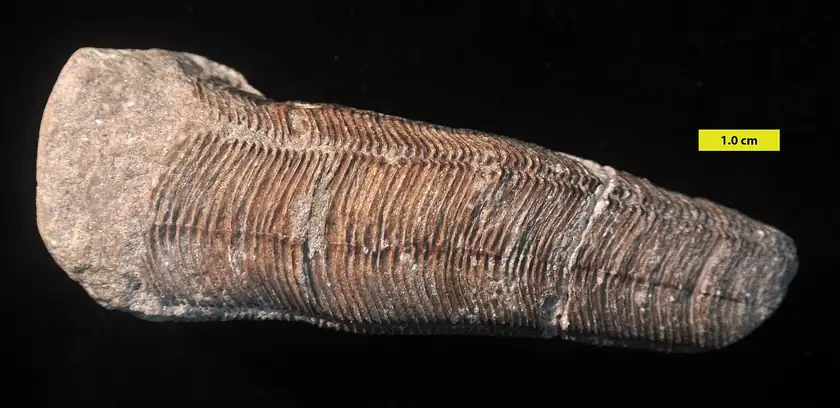 Science
A 6-year-old finds Nebraska's first conulariid fossil in 55 years
Leo Youngdahl spotted a 2.75-inch imprint of the ancient jellyfish-like animal at Schramm Park and let it stay there for education programs.
Verified · The Nebraska Courier