Fewer people need treatment for neglected tropical diseases than in 2010
The World Health Organization's 2026 report put the 2024 figure at 1.41 billion, down 36 percent since 2010. Most 2030 targets are still out of reach, and funding has shrunk.

Read the original
The reporting lives at World Health Organization. Our summary is checked against it, and we link it on every story.
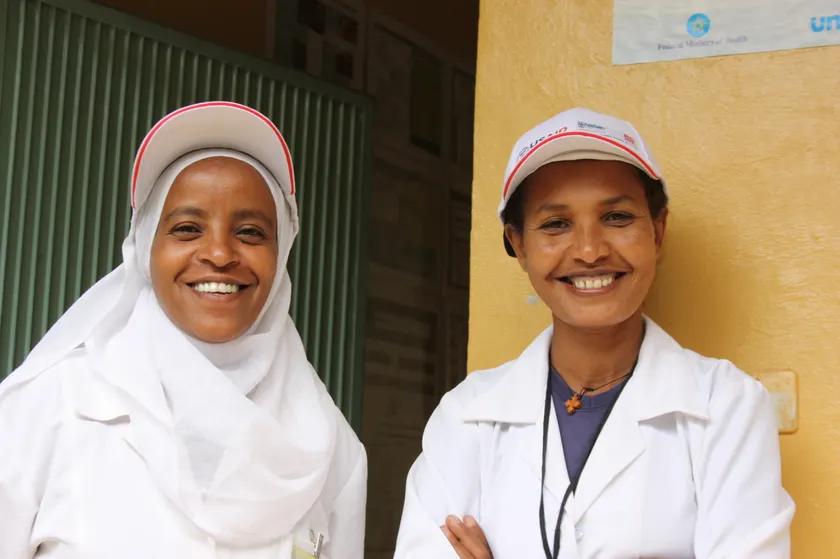
The World Health Organization published its Global report on neglected tropical diseases 2026 on November 4, a mid-term look at the road map for 2021–2030. In 2024, 1.41 billion people required interventions against these diseases, 36 percent fewer than in 2010 and 19 percent fewer than in 2020. By June 2026, 63 countries had eliminated at least one of the diseases, up from 42 at the end of 2020, and 90 acknowledgement processes had been completed. Togo was the first country to eliminate four. Forty-three countries have adopted integrated strategies for skin-related neglected tropical diseases, already past the 2030 target of 40. The integrated treatment coverage index for preventive chemotherapy reached its highest value since 2020.
The same report says most indicators remain below the 2030 targets. Disability-adjusted life years fell 18 percent between 2015 and 2021 and have since stalled. Neither eradication programme, guinea worm and yaws, is on track. Deaths from vector-borne diseases in this group have increased, though the case fatality rate for dengue has decreased. Only a minority of endemic countries report on all the relevant diseases or split the data by gender. External financing has contracted, which the report treats as the most immediate risk, alongside conflict, displacement, and climate pressure. The 1.41 billion figure is a measured drop in people who still need a service. It is not a claim that the 2030 goals are in hand.
Geneva, SwitzerlandPublic healthMedical researchGood news on November 4
More good news
Other stories in the same neighborhood of kindness.
 Animals
A male Indian rhino calf was born at Zoo Basel
Shakti gave birth to Xshama on November 5 after 489 days. SRF reported that mother and calf are well, and that this is the father's first offspring.
Verified · SRF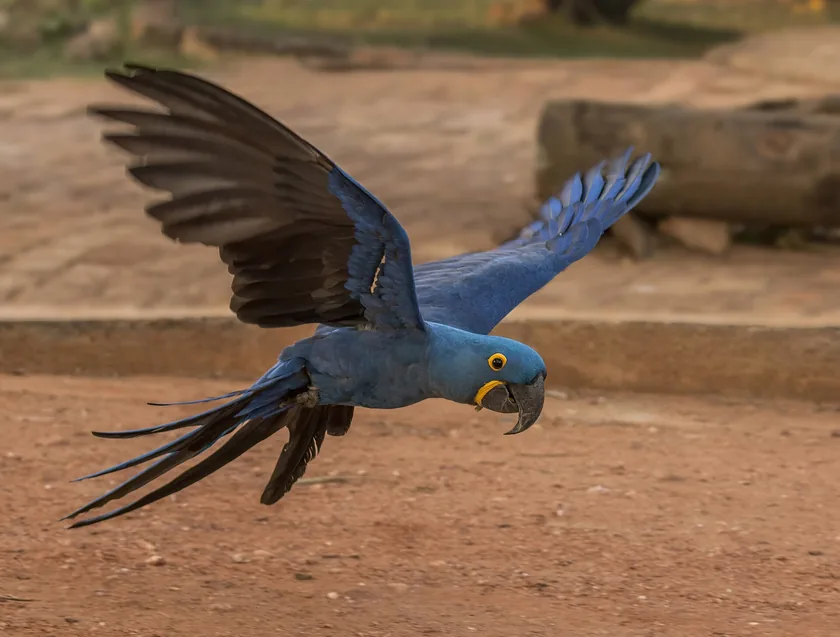 Animals
Twenty-four hyacinth macaws moved into Zurich Zoo's new indoor refuge
Swissinfo reported that 24 zoo-bred hyacinth macaws and 24 sun conures are living in the finished indoor part of a Pantanal exhibit. Visitors cannot see them yet.
Verified · Swissinfo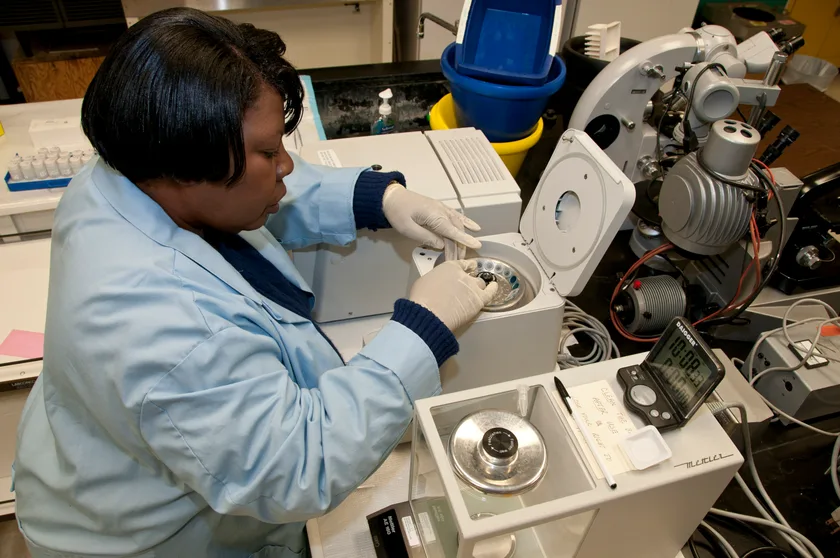 Health & Tech
The FDA approved Lembaz, the first drug shown to help infantile-onset Niemann-Pick C patients live longer
The FDA approved Lembaz, a spinal injection every two weeks. Among 36 treated patients, median survival was 8.5 years versus 4.9 in matched controls. It carries a boxed warning for hearing loss.
Verified · U.S. Food and Drug Administration