Two Okavango villages are paid when cameras record elephants
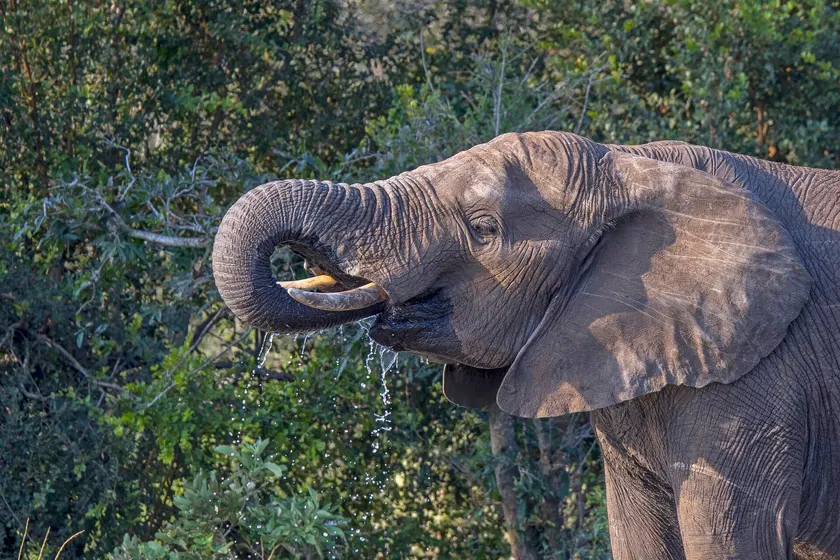
Gogomoga and Tsutsubega have received 57,600 pula this year for wildlife photographs. Elephant pictures pay the most, and residents decide together how to spend the money.

Read the original
The reporting lives at Mongabay. Our summary is checked against it, and we link it on every story.
Two villages on the edge of Botswana's Okavango Delta are being paid for photographs of the wild animals that pass through. Mongabay reported the scheme on November 3, 2026. Gogomoga and Tsutsubega, each with fewer than 500 residents and without paved roads, schools, shops, or electricity, are partners in Harmony with Wildlife, run by the nonprofit Wild Impact and the safari company &Beyond.
Rangers download the camera cards once a week. Different species bring different payments, and an elephant photo pays the most. Every three months the money goes into an account in the communities' names, managed through the local council, and villagers decide together how to use it. This year the program has paid 57,600 pula, about 4,175 U.S. dollars, mostly for elephants and spotted hyenas, with leopards and African wildcats also on the cards. Wild Impact's Andrew Venter said the sums are kept modest on purpose, because the organization pays them itself and wants the payments to continue. Skipper Mareja, the group's regional manager, said the first two quarters of 2026 have already reached the village accounts, and residents have met to talk about spending. The payments acknowledge animals living alongside people. They do not replace compensation when a crop or a borehole is damaged, and they are not a count of the delta's elephants.
For the classroom
Mongabay reported on November 3, 2026, that two small villages beside Botswana's Okavango Delta are paid when cameras photograph wild animals. The villages are Gogomoga and Tsutsubega. Rangers check the cameras every week. A photo of an elephant pays the most. The money goes into an account the villages share, and neighbors decide together how to spend it. This year the payments add up to 57,600 pula, about 4,175 U.S. dollars, mostly for elephants and hyenas. The groups running the project say the amounts stay small on purpose so the payments can continue. The cameras are not a promise that every animal near the villages is safe.
- Why might a village want a reason to welcome elephants, even when elephants can damage a garden?
- Who decides how the camera money is spent?
For a teacher to read with a class. Print the story of the day · Morning announcements · All classroom stories · This week's Good News Friday pack
Gogomoga, BotswanaWildlife conservationIndigenous communitiesKindnessGood news on November 4
More good news
Other stories in the same neighborhood of kindness.
 Animals
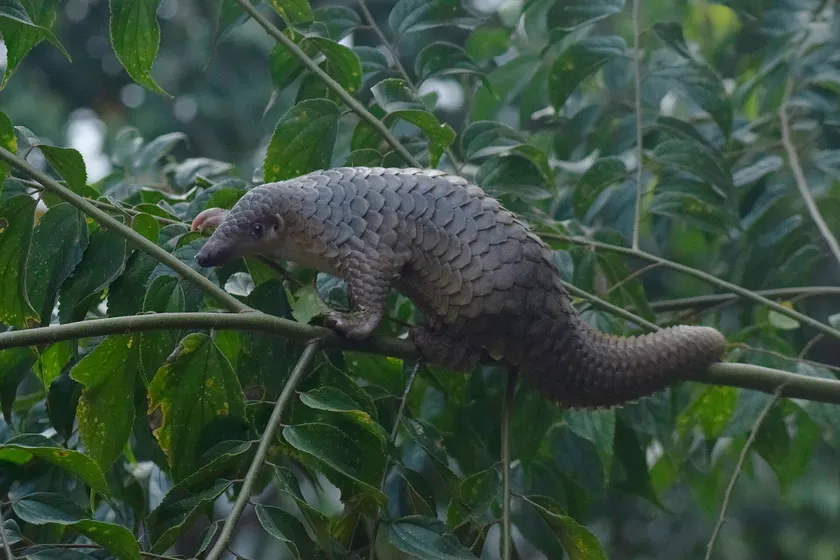
A family in Gia Lai handed a Sunda pangolin to rangers
Tran Thi Tu's household found the 2.2-kilogram animal in a coconut garden before dawn on November 2 and called authorities. The report stops at the handover. It does not say the pangolin has been released.
Verified · DTiNews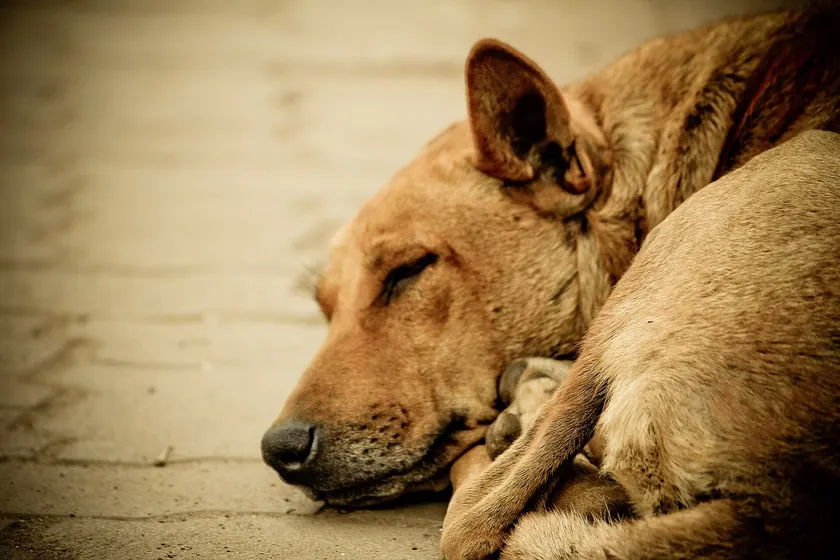 Animals
A shelter on St. Martin's Island can hold about 240 dogs
Bidyanondo Foundation opened 20 kennel units after limits on tourism left the island's dogs with fewer scraps. Sick and injured dogs can stay. Healthy ones go back onto the island.
Verified · The Daily Star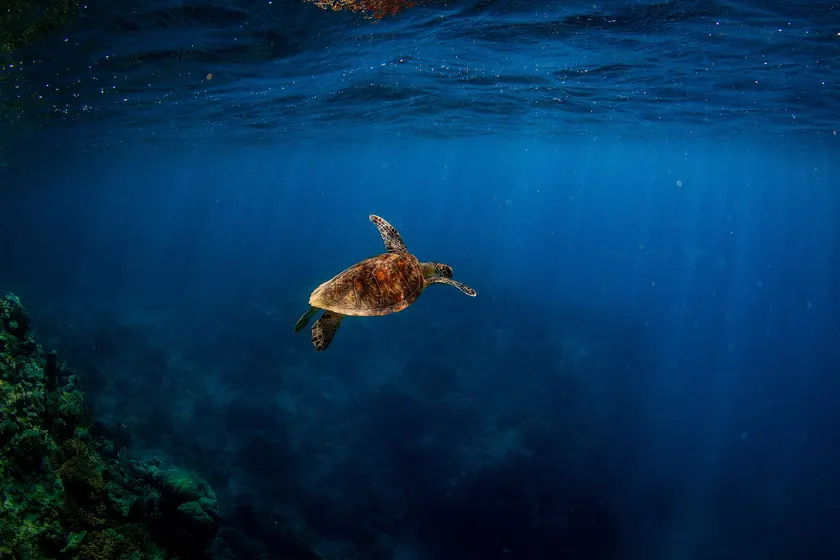 Animals
An 80-kilogram green turtle went back into the water at Candon
The city agriculture office, a veterinarian from the environment department, and the Philippine Coast Guard took part. The report describes this release and does not say how the turtle came into care.
Verified · Philippine Daily Inquirer