A Mines-born wristband that lets people feel a smile is a TIME Best Invention
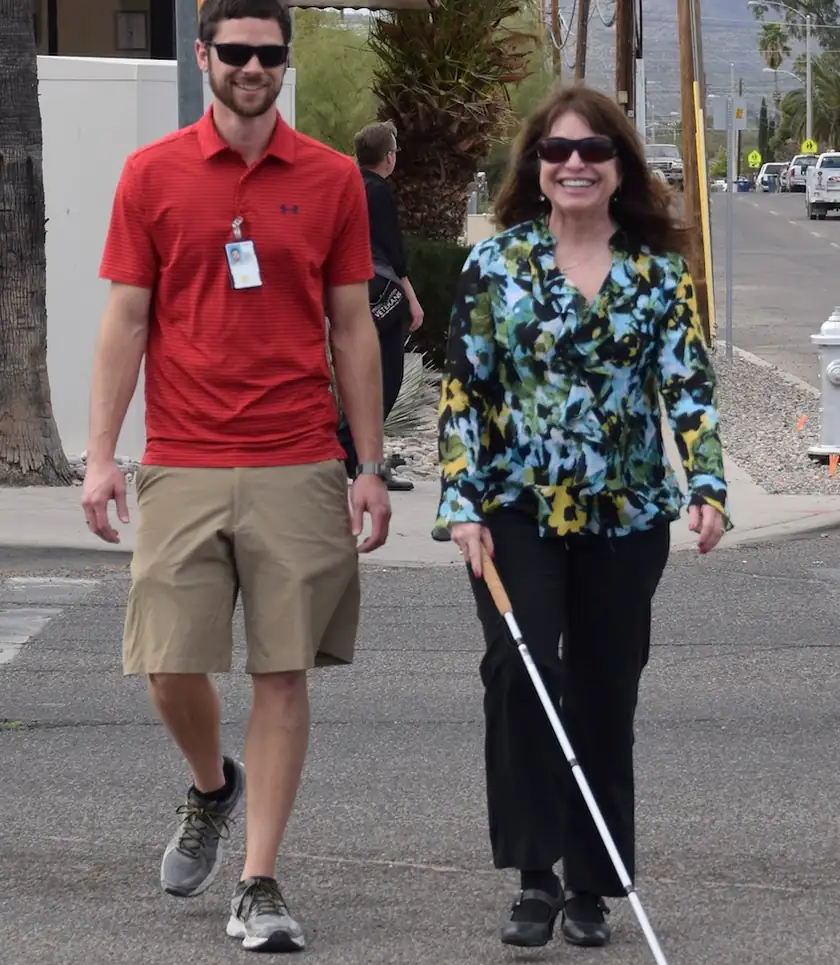
HapWare's ALEYE pairs smart glasses with a haptic wristband that turns a smile, a wave, or a handshake into vibrations. It grew out of a Colorado School of Mines capstone with a blind co-founder, and it does not restore sight.

Read the original
The reporting lives at Colorado School of Mines. Our summary is checked against it, and we link it on every story.
HapWare's ALEYE, a wearable that started as a Colorado School of Mines capstone, is on TIME's Best Inventions of 2026 list in the accessibility category. Smart glasses pick up visual cues, and a wristband turns them into distinct vibrations. The university says a wearer can feel a smile, a wave, or an offered handshake without having to see it.
Mines alum Jack Walters and Bryan Duarte, a haptic researcher who is blind, founded the company. Walters and other Mines students first built a wearable around Duarte's haptic technology in the senior design program. The device is meant for people who are blind or deaf, and for people with autism who have trouble reading nonverbal cues. It does not restore sight or hearing. It delivers a signal that sighted conversation usually leaves unspoken. Mines later invested $250,000 in the company through its venture fund.
For the classroom
Students at the Colorado School of Mines helped build a wristband called ALEYE. Smart glasses notice a smile, a wave, or a handshake. The band then buzzes in a pattern so the wearer can feel which one it was. It is meant for people who are blind or deaf, and for people with autism who find faces and gestures hard to read. Bryan Duarte, who is blind, started the company with Jack Walters after a student design project. TIME named ALEYE one of its Best Inventions of 2026. The band does not give someone sight. It passes along a cue they might otherwise miss.
- What can the wristband tell a person without using words?
- Why might a buzz help if you cannot see that someone is smiling?
- What is one way a class can make a visitor feel included?
For a teacher to read with a class. Print the story of the day · All classroom stories
More good news
Other stories in the same neighborhood of kindness.
 Health & Tech
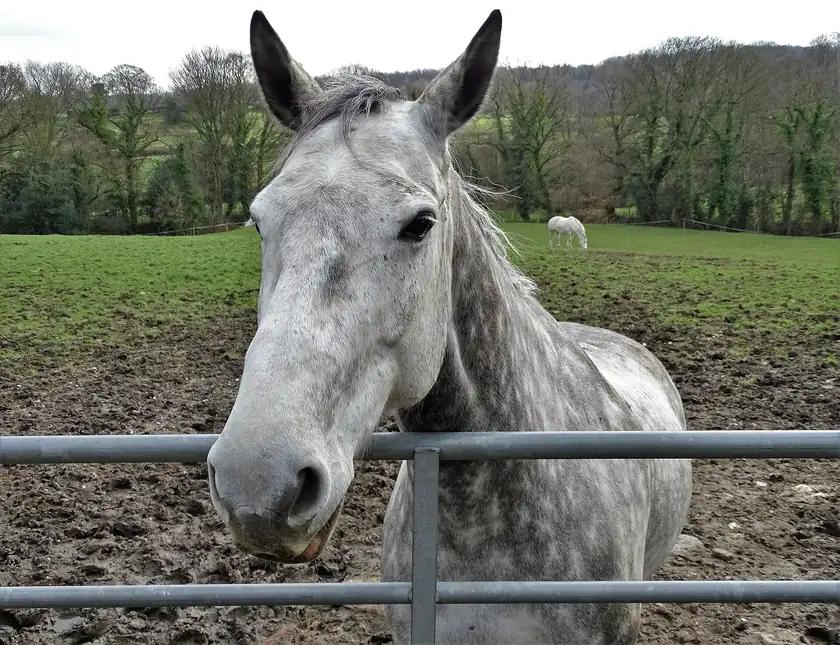
Horse-assisted therapy lowered stress in autistic children
In a study of 72 children ages 6 to 11, 10 weeks of occupational therapy with horses lowered cortisol more than the same therapy in a clinic. It is not a cure.
Verified · Colorado State University Health & Tech
A personalised melanoma vaccine cut the risk of cancer returning in a large trial
In 1,137 adults, Intismeran plus immunotherapy lowered the chance of death or melanoma returning by 42 percent at two years. It is not approved, and the results are not peer-reviewed yet.
Verified · BBC News Health & Tech
An early T-cell trial stalled tumors in patients whose cancers had resisted immunotherapy
In an NIH-led phase 1/2 trial published in Nature Medicine, invikafusp alfa stopped progression in 16 of 27 patients at the optimal dose and shrank tumors in four. These are early results, not a cure.
Verified · National Institutes of Health