A dig at Witley Court has found the feet of lost flower urns
English Heritage volunteers and archaeologists are tracing Victorian scroll beds around the Perseus and Andromeda fountain. They have uncovered buried urn bases. The new planting is planned for next year, not this week.
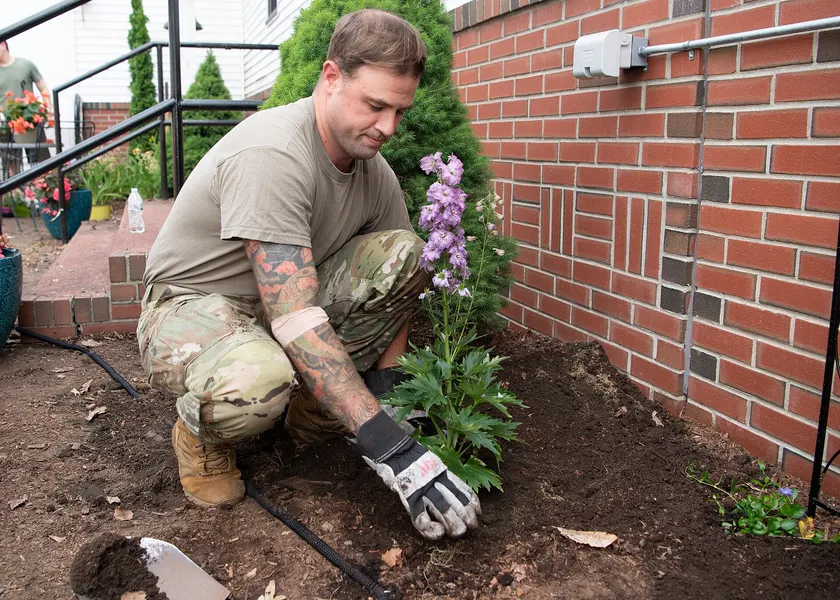

Read the original
The reporting lives at BBC News. Our summary is checked against it, and we link it on every story.
Archaeologists, gardeners, and volunteers are tracing lost Victorian flower beds at Witley Court in Great Witley. BBC News reported the dig on November 16, 2026. William Andrews Nesfield laid out the gardens between about 1850 and 1870, with embroidery-like beds around the Perseus and Andromeda fountain, meant to be admired from the terraces above. A summer heatwave left parch marks that drones photographed, including one bed about 6 metres wide and 18 metres long. A one-week excavation is checking those outlines against old plans, looking for foundations and changes in the soil.
The team has already uncovered buried bases for tazzas, the large urns that held flowers, and a piece of patterned bath stone that may show how big the urns were. Head gardener Mark Pardey said the elaborate planting is a fading skill, and that the aim is to bring more of Nesfield's landscape back for visitors. Planting in that style is due to start next year. The house burned in 1937 and was later taken on by English Heritage, which restored parts of the parterres and the fountain about 20 years ago. The news this week is the dig and the urn bases. The beds are not replanted yet.
For the classroom
BBC News reported that gardeners, archaeologists, and volunteers are looking for lost flower beds at Witley Court in Worcestershire, England. William Andrews Nesfield designed the gardens between about 1850 and 1870, with patterns meant to be seen from above. A fire in 1937 wrecked the house. Drone photos from a hot summer showed pale marks where beds used to be, including one about 6 metres wide and 18 metres long. The dig has already found the buried bases of large flower urns and a piece of patterned stone. Planting in that old style is planned for next year. The beds are not full of flowers yet.
- How can a photograph from the air show where a flower bed used to be?
- Why would a garden be designed so people look down on it from a terrace?
For a teacher to read with a class. Print the story of the day · Morning announcements · All classroom stories · This week's Good News Friday pack
Great Witley, United KingdomParksVolunteersArchaeologyGood news on November 16
More good news
Other stories in the same neighborhood of kindness.
 Community
Wallington is asking neighbors to help plant 169,000 trees at Elf Hills
BBC News reported that National Trust sessions on November 21, 24, and 25 will start a 109-hectare wood near Morpeth, including five saplings grown from Sycamore Gap seeds. The trees are not in the ground yet.
Verified · BBC News Community
More than 400 people read centuries-old Coptic books in a Stockport church
Manuscripts that usually stay at the John Rylands Library, some from the 10th century, were opened for Coptic Christians who travelled to St Mary and St Mina. The visit is one event in a two-year project.
Verified · BBC News Community
Port of Dover staff built a school shelter and planted 1,000 spring bulbs
On paid volunteer days this year, ferry-port workers also put up a pergola, a college polytunnel, and an outdoor shelter. The community fund has raised £128,000, separate from the hours.
Verified · BBC News