In Haines Junction, elders taught a new group how to can trout and whitefish
A Champagne and Aishihik First Nations workshop used fish that would have stayed in freezers, and the jars are being shared in the community.

Read the original
The reporting lives at CBC News. Our summary is checked against it, and we link it on every story.
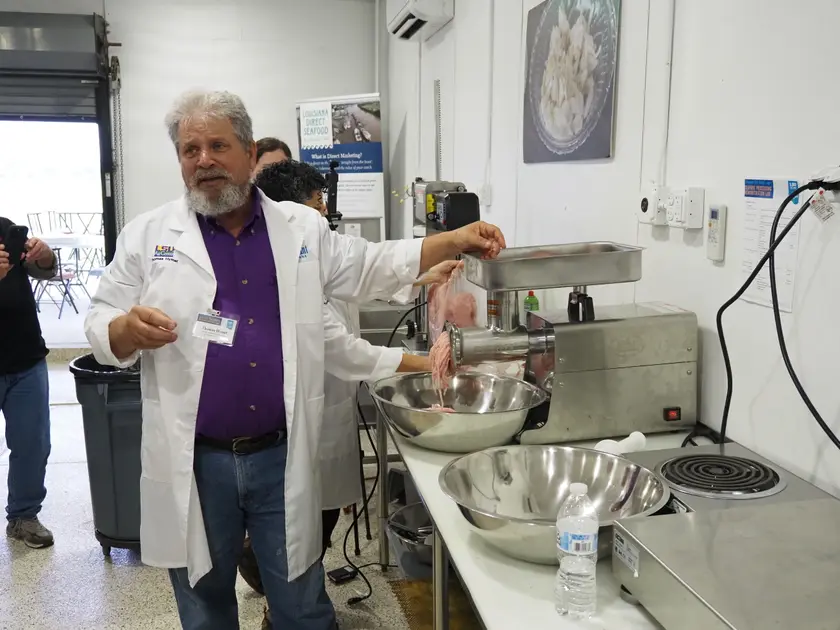
Rita Burns spent a workshop in Haines Junction teaching people to preserve smoked trout and whitefish, a skill she learned at an elders' camp. CBC News reported the session, organized by Champagne and Aishihik First Nations, on October 23, 2026.
The fish came from research at lakes in the First Nations' traditional territory and would otherwise have sat in freezers. The jars are being shared in the community, as an earlier batch was. Jordan Cote-Germain volunteered. His grandmother used to can fish, and this was his first time through the process. Kwägąya, Azzy Allen, has canned for potlatches but had not done the work from start to finish. Allen wants a Southern Tutchone lesson plan for children, with pictures. Fish is served at potlatches. The method uses a brine of salt and vinegar and a pressure cooker. Burns said groceries are costly, and a jar from the cupboard can stand in for a fish that might cost $50.
For the classroom
CBC News reported on October 23, 2026, that Champagne and Aishihik First Nations held a fish-canning workshop in Haines Junction, Yukon. Rita Burns learned the skill at an elders' camp and taught people to preserve smoked trout and whitefish. The fish came from research lakes in the First Nations' traditional territory and would otherwise have stayed in freezers. The jars will be shared in the community. Jordan Cote-Germain volunteered because his grandmother used to can fish. It was his first time. Azzy Allen, whose Southern Tutchone name is Kwägąya, finished the process from start to finish for the first time. The method uses salt, vinegar, and a pressure cooker.
- Why is a recipe more useful when an elder teaches it in person?
- How does sharing a jar of food help more than one household?
- What is a skill in your family that you would like someone to teach you?
For a teacher to read with a class. Print the story of the day · All classroom stories
More good news
Other stories in the same neighborhood of kindness.
 Community
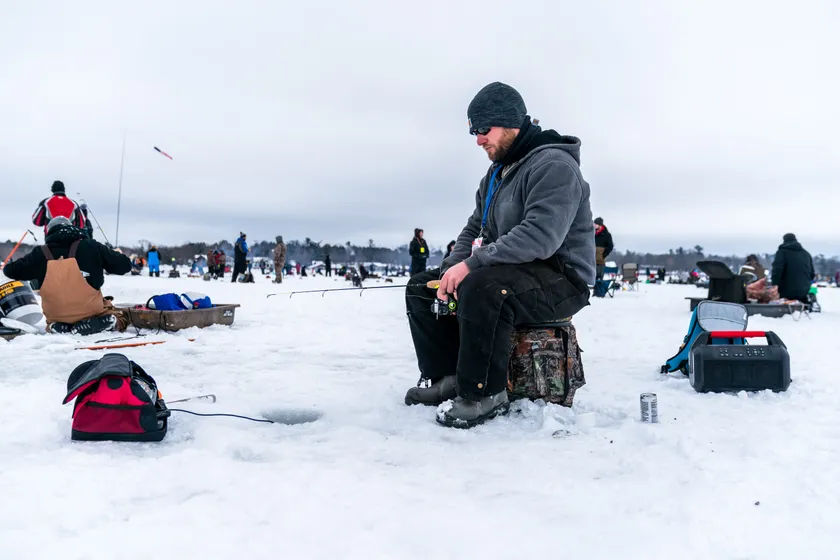
Kedgwick's little library lends fishing rods and fills produce bags
The 200-square-metre library in northern New Brunswick stocks ice-fishing gear, runs a monthly produce program, and lets third graders grow the garden beside the building.
Verified · CBC News Community
OCAD University will fund 150 undergraduate scholarships of $40,000 each
For its 150th year, the Toronto art and design university is offering $10,000 a year for four years to new students across Canada who show talent and need.
Verified · CBC News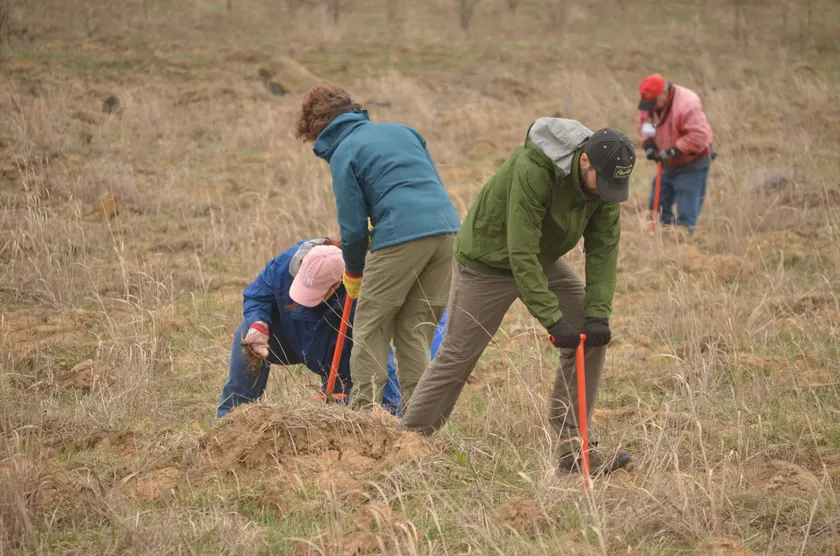 Community
Volunteers planted more than 500 trees at Tynehead Regional Park
The fifth annual planting at the Surrey park added native trees and shrubs along Highway 1, part of a month of volunteer plantings across Metro Vancouver parks.
Verified · CBC