Thousands of butterflies turned up on restored West Sussex farmland
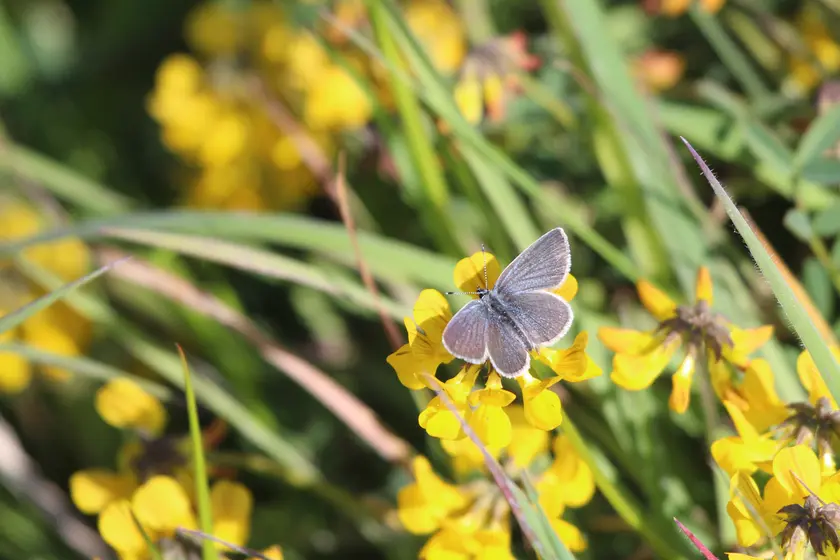
Counters recorded 5,290 butterflies on former wheat fields at Halnaker Hill, including small blues and dingy skippers never seen there before.

Read the original
The reporting lives at The Guardian. Our summary is checked against it, and we link it on every story.
Counters recorded 5,290 butterflies on former wheat fields at Halnaker Hill in West Sussex. The Guardian reported the survey on October 22, 2026.
About 133 hectares, roughly 330 acres, became a nature project after the farm's last wheat harvest in 2024. The work added a wildflower mix, about 7 kilometres of hedgerows, 7 hectares of woodland, three ponds, and 54 hectares of herbal leys grazed in short rotations. The project sells commercial biodiversity net gain credits.
Ecologist Neil Hulme said 85 small blues and seven dingy skippers had never been recorded on the site before. The count also included 547 small heaths, common blues, green hairstreaks, and eight sulphur pearl moths, along with skylarks, corn buntings, hobbies, and dragonflies. Nick Heasman of the South Downs National Park described the change on ground that had been arable. Hulme's plan for next year is to bring in the Duke of Burgundy and to sow wild pansies for the Queen of Spain fritillary. That is a plan, not a result yet.
For the classroom
The Guardian reported on October 22, 2026, that counters found 5,290 butterflies on former wheat fields at Halnaker Hill in West Sussex. After the last wheat harvest in 2024, about 133 hectares were turned into a nature project, with wildflowers, new hedges, a little woodland, ponds, and grazing. Ecologist Neil Hulme said small blues and dingy skippers had never been recorded there before. Counters also saw small heaths, common blues, green hairstreaks, and birds such as skylarks. A plan for next year would add more flowers for other rare butterflies. That part has not happened yet.
- What changed on this farm between a wheat field and a place full of butterflies?
- Why might a butterfly that was never seen there before be a hopeful sign?
- What is one thing a class could plant to help insects near school?
For a teacher to read with a class. Print the story of the day · All classroom stories
More good news
Other stories in the same neighborhood of kindness.
 Animals
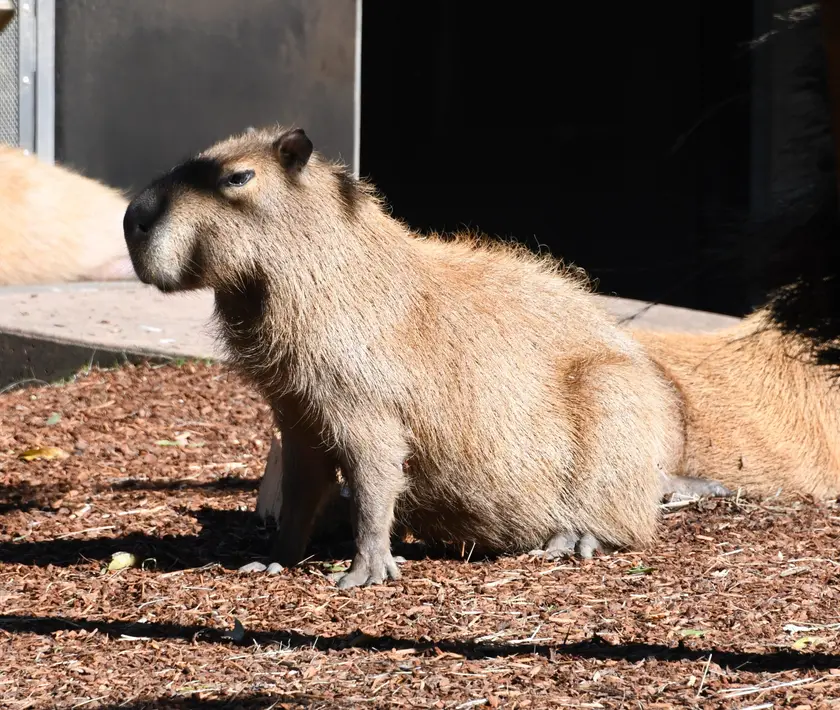
Pepita the capybara had four pups overnight at Shepreth Wildlife Park
The Cambridgeshire park said the pups arrived on the night of October 15. Once their sexes are known, visitors will help give them food-inspired names.
Verified · BBC News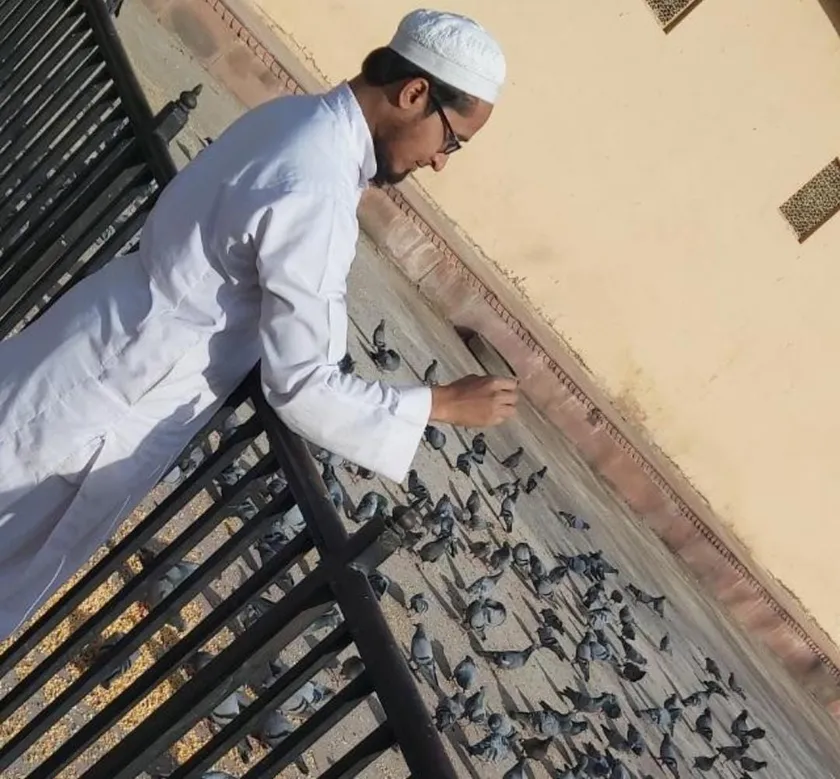 Animals
A Canterbury group is learning to free pigeons from tangled feet
Canterbury and Thanet Stringfoot Pigeons trained this month to remove string and hair from city birds without taking them from their flock.
Verified · BBC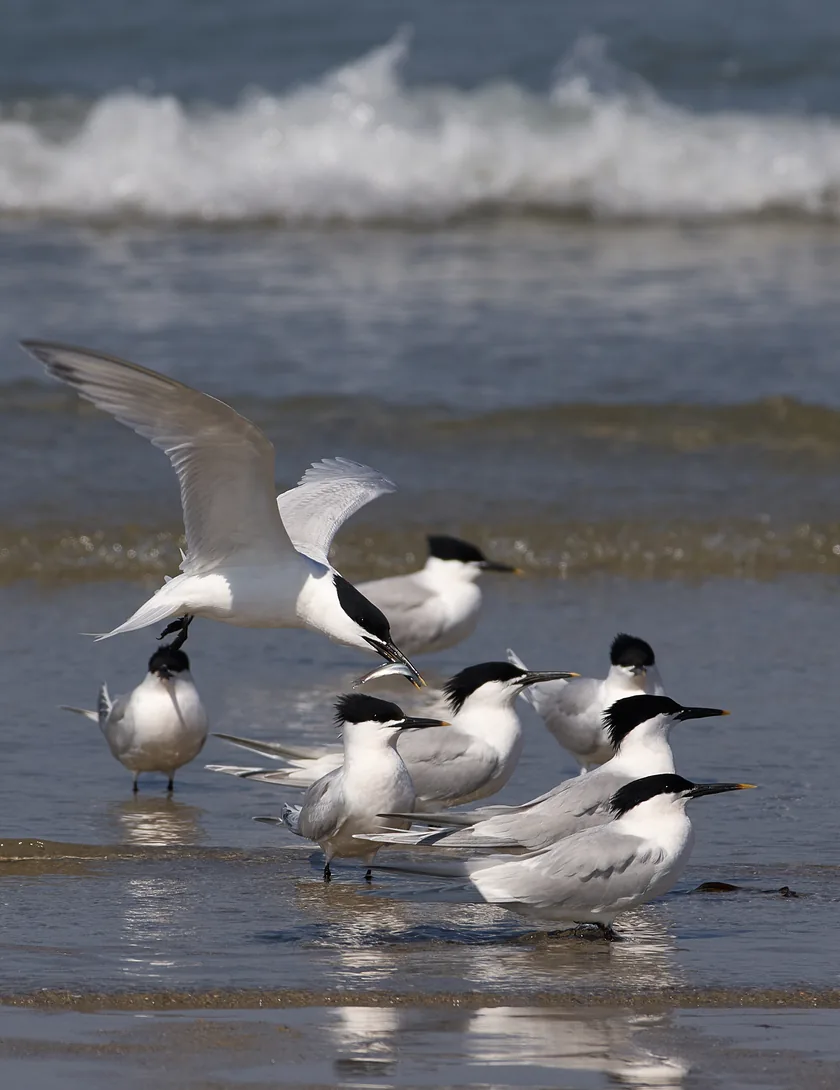 Animals
Sandwich terns returned to Pagham Harbour after bird flu
A colony wiped out in 2022 had 756 breeding pairs this year, and 570 chicks fledged, after staff and volunteers rebuilt nesting space on the Solent.
Verified · The Guardian