Drones read humpback genomes from breath in Gitga'at territory
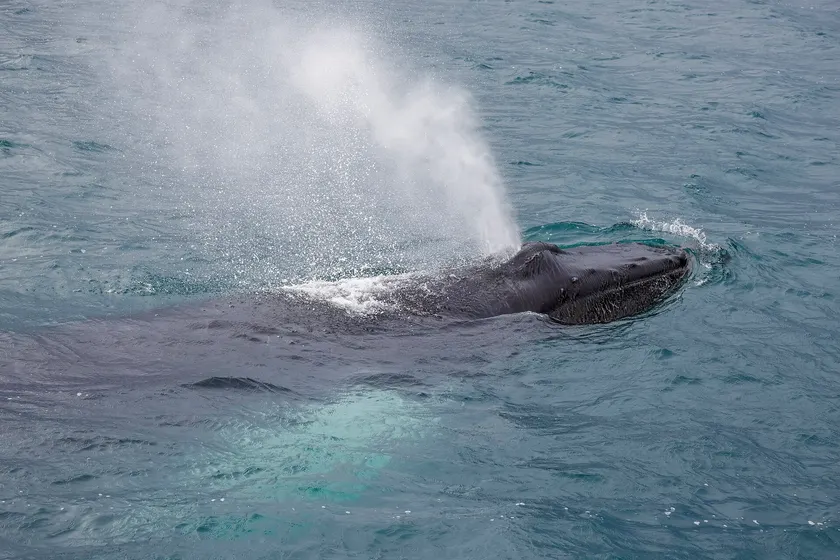
BBC News reported a University of St Andrews study that turned 58 drone-caught breath samples from 26 humpbacks into low-coverage genomes, without darting the whales.

Read the original
The reporting lives at BBC News. Our summary is checked against it, and we link it on every story.
BBC News reported on November 17, 2026, that researchers at the University of St Andrews have read humpback whale genomes from breath collected by drone off northern British Columbia. The study, in Molecular Ecology Resources, describes 58 blow samples from 26 whales in Gitga'at First Nation territory. The fieldwork used a research station on Fin Island. A sterile dish on the aircraft passed through the exhaled spray, so the team did not have to dart the animal for this sample. The nuclear genomes are low coverage, about 2.3 times the genome on average. That is enough for questions about population and kinship. It is not a finished medical file for each whale. Mitochondrial genomes from the same breaths were much deeper.
The paper checks the breath results against earlier genetic profiles and against tissue, including two biopsies taken in 2022. BBC News said the aim is to learn whether whales that forage together are relatives or long-term companions. Before this project, only one other North Pacific humpback whole genome was public. The news is a less invasive way to read these particular whales. It is not a new census, and the authors say the method will not work equally well for every species.
For the classroom
BBC News reported on November 17, 2026, that scientists flew a drone through the spray from humpback whales off northern British Columbia. The work was in Gitga'at First Nation territory. A small dish on the aircraft caught the breath. A paper used 58 samples from 26 whales. The DNA can help ask whether whales that feed together are family or long-time friends. The nuclear reading is low coverage, which means it is useful for those questions and not a full medical chart. This is not a count of every humpback in the Pacific.
- Why would a drone be gentler than a boat that has to get very close?
- What is one question scientists still cannot answer from a single breath sample?
For a teacher to read with a class. Print the story of the day · Morning announcements · All classroom stories · This week's Good News Friday pack
Hartley Bay, CanadaWildlife conservationSTEMGood news on November 17
More good news
Other stories in the same neighborhood of kindness.
 Science
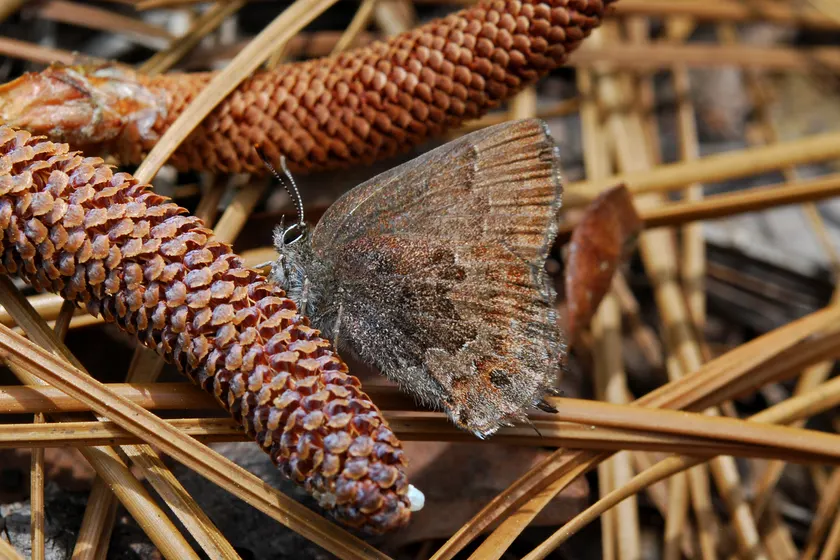
Scientists plan to bring the frosted elfin back to Port Rowan next spring
The butterfly was last seen in Ontario in 1988. A Guelph team wants to breed eggs from New York at the Cambridge Butterfly Conservatory and release them near Port Rowan, where a related butterfly is already back in the hundreds.
Verified · CBC News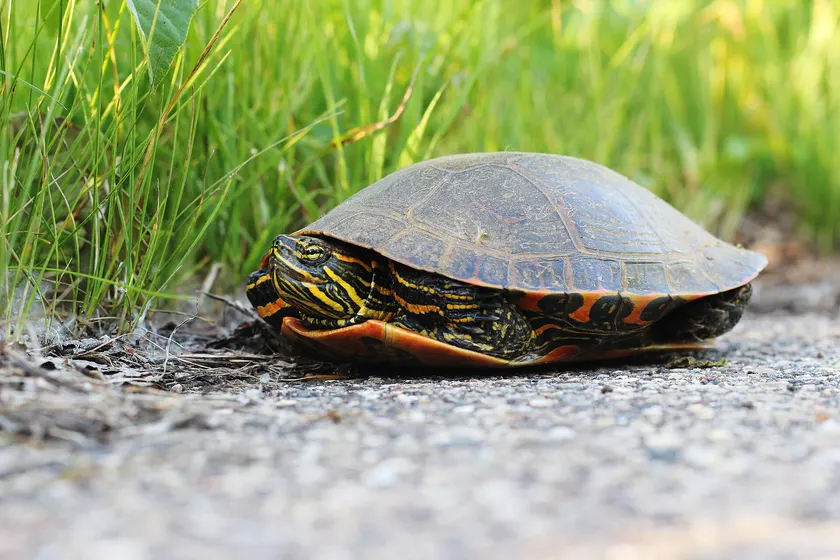 Science
An Ottawa student is building a free app to score turtle crossing sites
Grade 12 student Akshit Erukulla is testing software with Turtle Guardians so volunteers can map a possible tunnel site in the field instead of carrying paper forms back to an office.
Verified · CBC News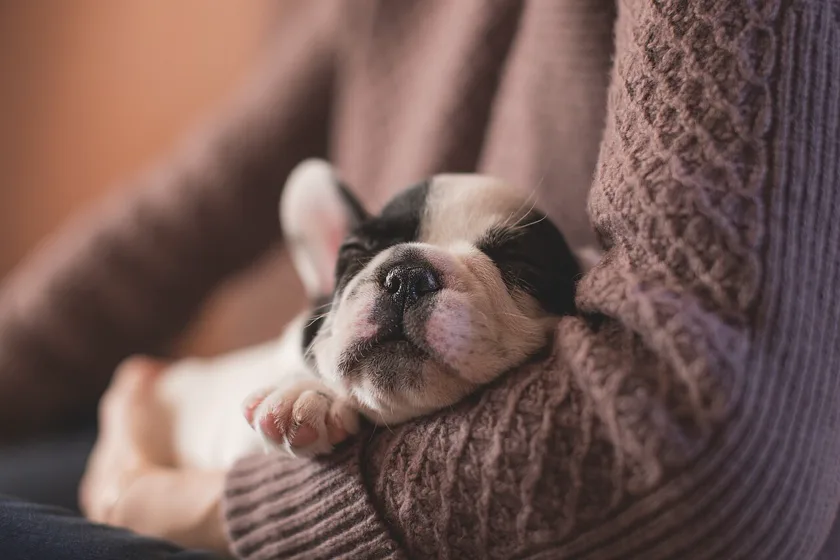 Animals
Nova Scotia's SPCA is opening foster homes so sick pets can have the kennels
CBC News reported that a Pedigree Foundation grant will pay for software and round-the-clock vet help as the SPCA recruits people to foster healthy pets, including kittens and puppies.
Verified · CBC News