Native mammals returned across burnt Blue Mountains bushland
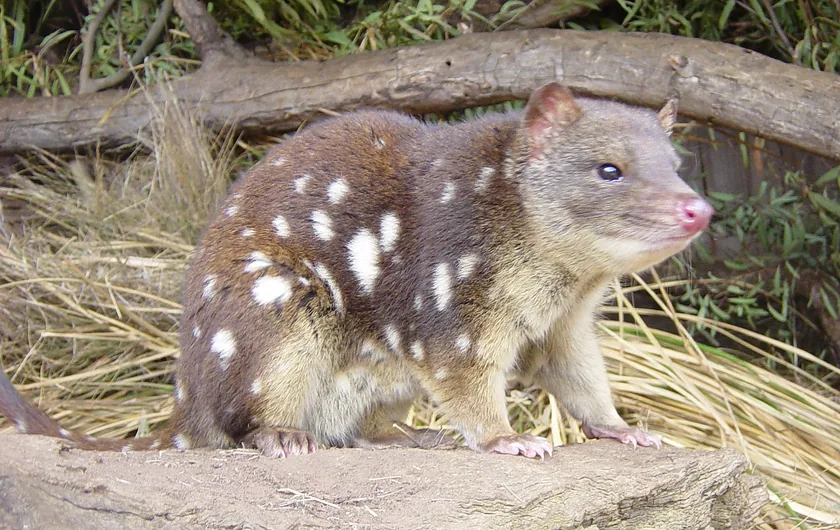
Five years after the Black Summer fires, camera traps found a similar set of native mammal species in burnt and unburnt bush. Feral cats were photographed more often than before.

Read the original
The reporting lives at NSW Local Land Services. Our summary is checked against it, and we link it on every story.
Five years after the 2019-20 Black Summer fires, native mammals in the Greater Blue Mountains are using burnt and unburnt bush in similar numbers of species. NSW Local Land Services reported on October 13, 2026, on work by Science for Wildlife, funded by Greater Sydney Local Land Services. More than 3,000 online volunteers helped identify animals in photos. Eighteen field volunteers were trained from 35 people who offered. Fifty cameras went out, and the Katoomba Men's Shed built 90 scent-lure stations.
The project gathered more than 500,000 images. Science for Wildlife checked an AI-assisted sort and analyzed about 185,000 wildlife images. Burnt and unburnt Hawkesbury bushland now support a similar number of native mammal species no matter how severe the fire was. That includes critical-weight-range mammals: bandicoots, quolls, antechinus, possums, echidnas, and native rodents. Two years after the fires, earlier Science for Wildlife work found little return even where burns were less severe. Effects still differ by vegetation type. Feral cats showed up at six times as many camera sites in 2025-26 as in 2021-22, and deer appeared on camera too. Principal ecologist Kellie Leigh, volunteer Leonie Wishart, and Linda Dedovic of Greater Sydney Local Land Services described both the return and the predator problem.
For the classroom
Five years after big bushfires in the Blue Mountains of Australia, scientists and volunteers used cameras to see which animals had come back. Native mammals such as quolls, possums, and echidnas are using both burnt and unburnt bush. Feral cats showed up on more cameras than before, so the recovery is not finished.
- How did volunteers help scientists count the animals?
- What did the cameras find in burnt bush compared with unburnt bush?
- Why are feral cats a problem for the animals that returned?
For a teacher to read with a class. Print the story of the day · All classroom stories
More good news
Other stories in the same neighborhood of kindness.
 Animals
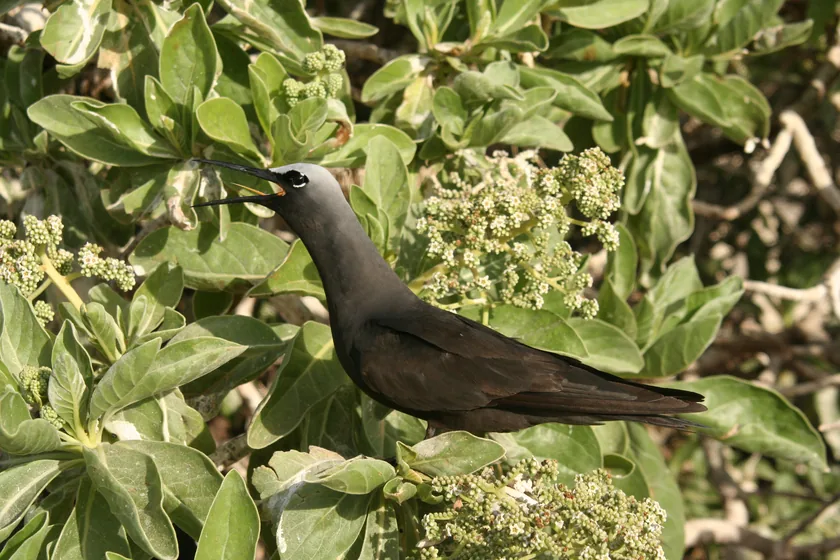
Seabirds nested again after decades of planting on Lady Elliot Island
Guano mining left the Great Barrier Reef cay nearly bare. After decades of replanting, about 100,000 black noddies nest there each year.
Verified · ABC News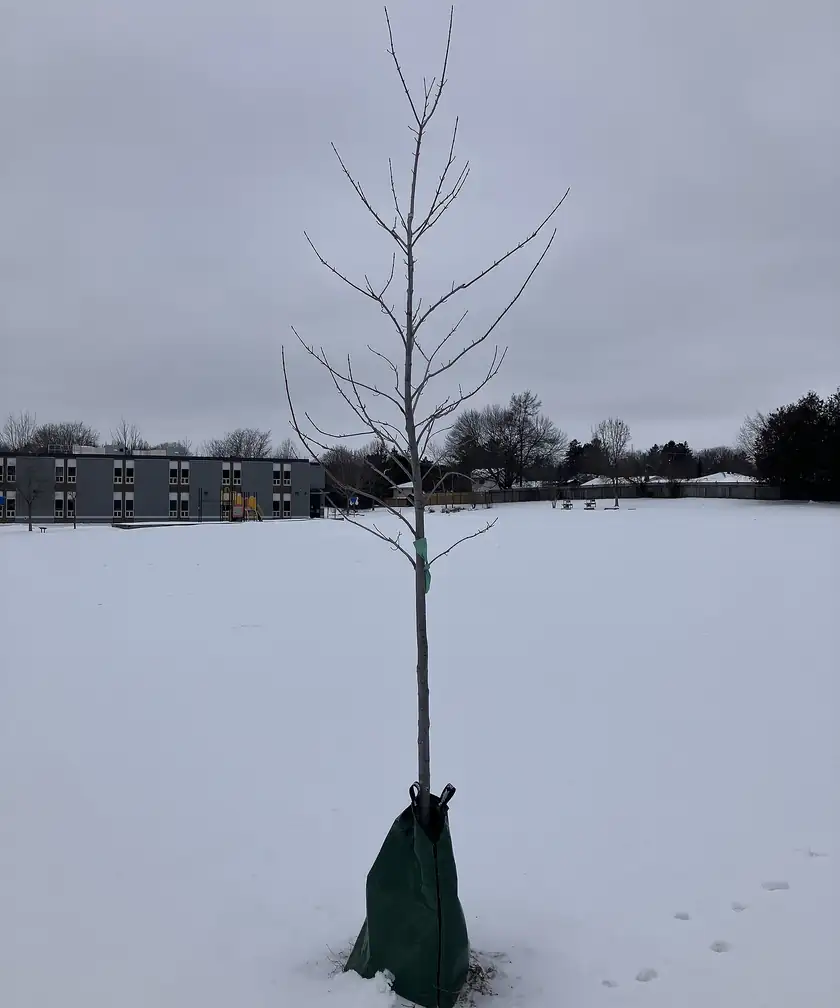 Science
Eighty volunteers planted native trees at Spokane's Waikiki Springs
The Inland Northwest Land Conservancy and wildlife crews are restoring 10 acres of floodplain on the Little Spokane River. Volunteers from age 6 to 80, including refugee teens, came to plant.
Verified · The Spokesman-Review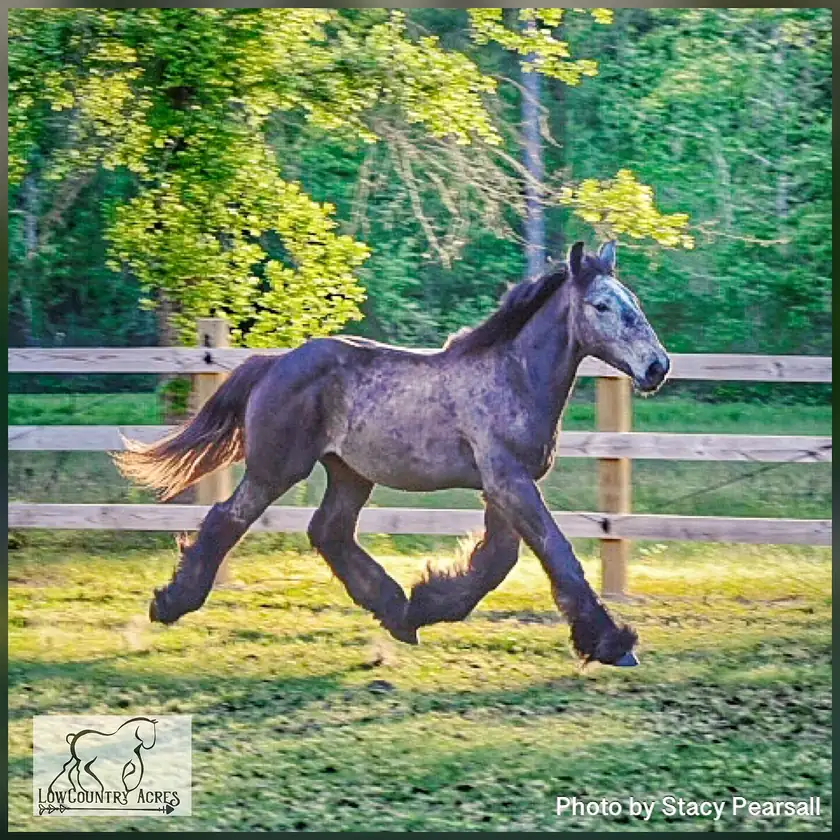 Science
A Vermont horse logger and his Belgian, Ted, keep an old craft going
John Smolinsky of Earthbound Forestry uses his one-ton horse on small, steep, and sensitive woodlots. A horse compacts the soil far less than a heavy skidder.
Verified · Vermont Public