Nine Southeast Asian researchers are spending a week in Incheon's collections
The Herald Business reported that Cambodia, Laos, Myanmar, and the Philippines sent nine people to South Korea's 15th biodiversity training course.

Read the original
The reporting lives at The Herald Business. Our summary is checked against it, and we link it on every story.
The Herald Business reported on November 16, 2026, that the National Institute of Biological Resources is running its 15th overseas biodiversity course from Monday through Friday. Nine civil servants and researchers are taking part, from Cambodia, Laos, Myanmar, and the Philippines. The institute, under the Ministry of Climate, Environment and Energy, has offered the training since 2009. So far 181 people from 13 countries have completed it.
This session is meant to turn that habit into joint research with ASEAN partners. The group will build species lists at the institute in Incheon, at Seoul Botanic Park, and at the Hantangang UNESCO Global Geopark in Pocheon. They will see specimen stores, the wildlife resource bank, and genomic work at the Macrogen Global Genome Center, then talk through what each country actually needs to study next. Director Yoo Ho said sharing that skill is part of protecting biodiversity across borders. The news is this week's class of nine. It is not a new protected area.
For the classroom
The Herald Business reported on November 16, 2026, that nine researchers and government workers from Cambodia, Laos, Myanmar, and the Philippines are spending five days in South Korea learning how to study wildlife. The class is at the National Institute of Biological Resources in Incheon. They will also visit a botanic garden in Seoul and a geopark on the Hantan River. They will look at stored specimens, a wildlife sample bank, and tools that read an animal's genes. The institute has run the course since 2009, and 181 people from 13 countries have finished it. This week is a class. It is not a new nature reserve.
- Why would a scientist keep a dead plant or animal in a collection instead of only taking a photo?
- What is one living thing near your school that a visitor from another country might not know?
For a teacher to read with a class. Print the story of the day · Morning announcements · All classroom stories · This week's Good News Friday pack
Incheon, South KoreaWildlife conservationSTEMGood news on November 16
More good news
Other stories in the same neighborhood of kindness.
 Community
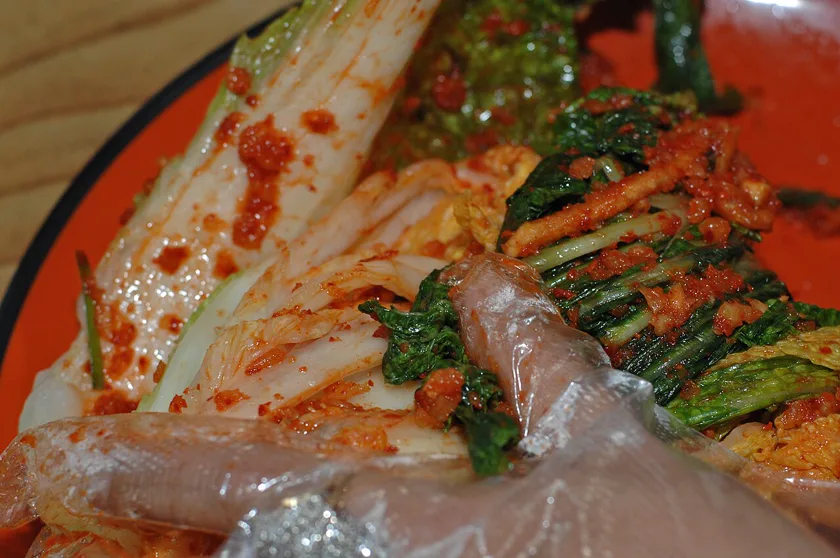
110 volunteers in Busan packed 800 boxes of kimchi for neighbors
The Asia Business Daily reported that a Dong-gu kimchi day, including 10 hospital staff and a 2 million won gift, prepared winter kimchi for 800 households.
Verified · The Asia Business Daily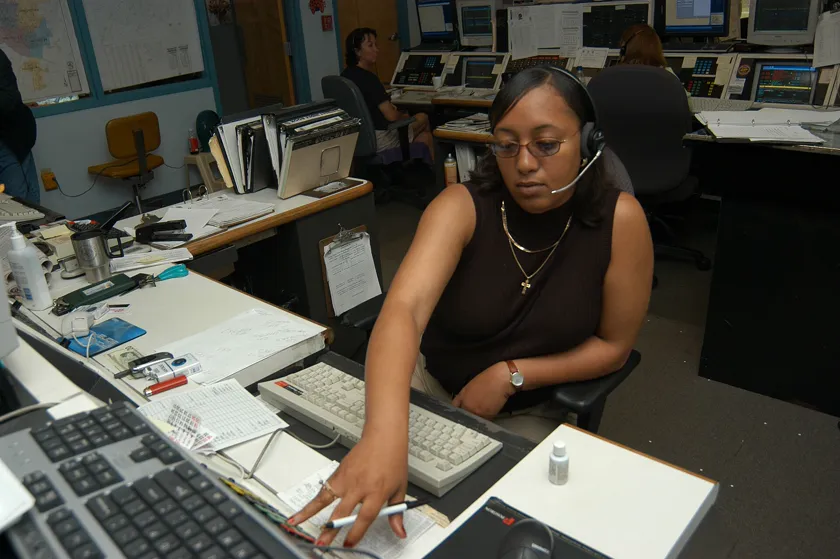 Heroes
A Busan dispatcher kept a silent 119 call open and crews found the caller
Fire Sergeant Joo Sang-hyun heard only a faint groan, tracked the phone, and sent an ambulance. The caller was in a smoky restaurant and has since regained consciousness.
Verified · Yonhap News Agency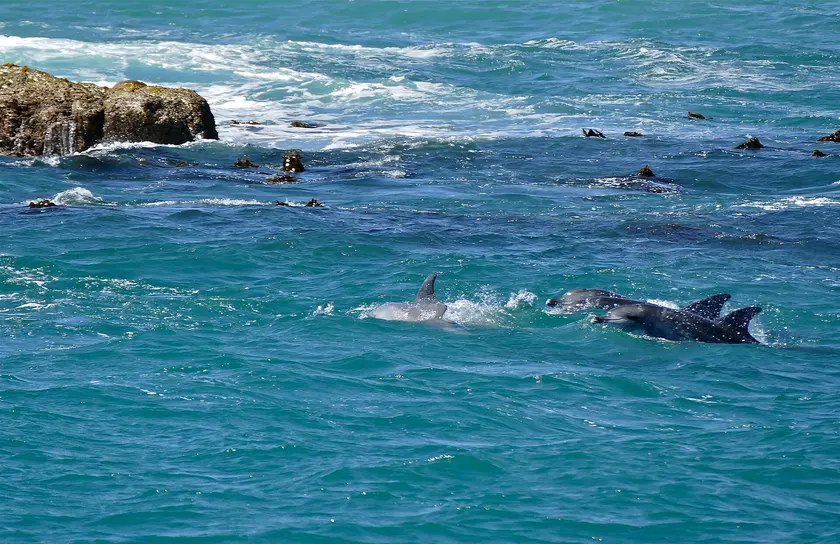 Animals
A dolphin named Anmogi swam free off Jeju after four months of care
The Asia Business Daily reported that the Indo-Pacific bottlenose dolphin, healed after propeller injuries, was released near Seogwipo on November 12 with a tag that will fall off.
Verified · The Asia Business Daily