Isabela City opened a museum of shared stories over the water
The Philippine News Agency reported that Museo Pantán, three glass pavilions on a Basilan beachfront, opened on November 19 with photographs, maps, and objects from a city of 16 languages.

Read the original
The reporting lives at Philippine News Agency. Our summary is checked against it, and we link it on every story.
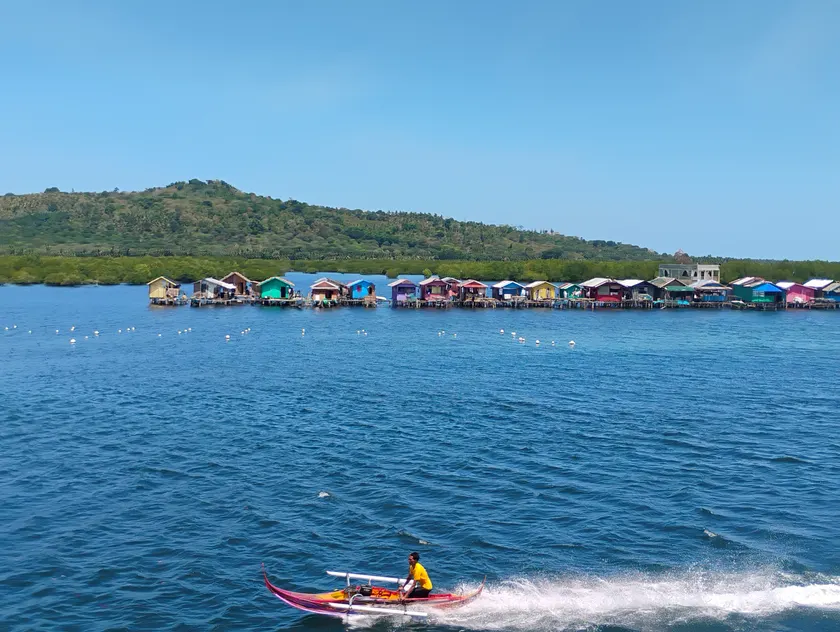
Isabela City opened a museum on the water, built to hold the stories of a place where many languages meet. The Philippine News Agency reported the opening on November 20, 2026. Museo Pantán, three glass pavilions at Fuego-Fuego Beachfront in Barangay Tabiawan, opened to the public on Thursday night, November 19. The agency said it is the first museum in Southeast Asia built over the water, with mangroves and corrals around it and a beachfront terrace where people can gather. The terrace can also be a dock for motorboats.
In Yakan, Tausug, and Sama, pantan names a threshold or porch between land and sea. Mayor Sitti Djalia Turabin-Hataman said that idea stands for gathering and peaceful contact among different peoples. The rooms hold historical photographs, artifacts, maps, and personal accounts. Sixteen languages are spoken in the city. Architect Royal Pineda said the structure faces the coast and avoids the mangroves and the rocks, so the landscape stays part of the visit. Glass lets people see the exhibits when the museum is closed. The city first set aside 20 million pesos and later spent more than 40 million as the design and materials changed. Tourism officer Claudio Ramos II said the museum joins the city's circuit of beaches and weaving centers, and that it will show tenun cloth and tepo mats woven from pandan by Sama and Sama-Bajau makers.
For the classroom
The Philippine News Agency reported that Isabela City, in Basilan, opened Museo Pantán on the night of November 19, 2026. Three glass pavilions stand over the water at Fuego-Fuego beach, near mangroves. In local languages, pantan is a porch that connects land and sea. Inside are photographs, artifacts, maps, and personal stories. Sixteen languages are spoken in the city. Architect Royal Pineda said the building faces the coast and leaves the mangroves and rocks in place. People can see the exhibits through the glass even when the doors are closed. The museum will also show hand-woven cloth and pandan mats made by Sama and Sama-Bajau weavers.
- What does the word pantan tell you about how people in this city meet between land and water?
- What object from your own neighborhood would you put in a museum so other people could learn from it?
For a teacher to read with a class. Print the story of the day · Morning announcements · All classroom stories · This week's Good News Friday pack
Isabela City, PhilippinesArtIndigenous communitiesGood news on November 20
More good news
Other stories in the same neighborhood of kindness.
 Community
Tacloban university staff opened a monthly reading visit for two neighborhoods
Eastern Visayas State University said its non-teaching staff launched Project TUKLAS on November 26, with storytelling now and a plan to visit two Tacloban barangays every month.
Verified · Eastern Visayas State University Community
Manila librarians are taking reading sessions to the Dapitan Sports Complex
The POST reported that the Manila City Library and the city's social welfare department are holding literacy activities at Dapitan Sports Complex for children and older people the department has taken off the streets.
Verified · The POST Community
Bilar's bamboo park keeps a Bohol craft in daily use
Kinaiyahan Forest Park holds about 45,000 bamboo plants of 40 kinds. Kyodo News reported that the province is training people and handing out seedlings so the plant supports local work.
Verified · Kyodo News