Seabirds nested again after decades of planting on Lady Elliot Island
Guano mining left the Great Barrier Reef cay nearly bare. After decades of replanting, about 100,000 black noddies nest there each year.

Read the original
The reporting lives at ABC News. Our summary is checked against it, and we link it on every story.
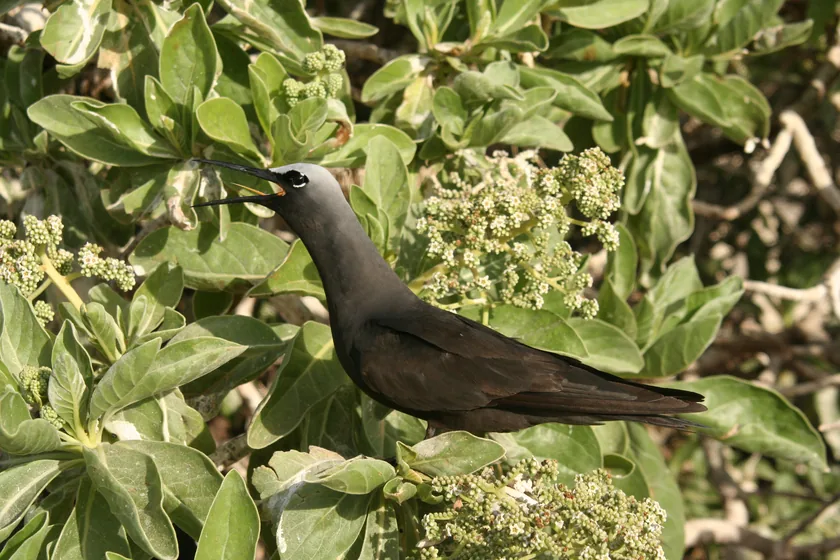
Black noddies and other seabirds are nesting in numbers Lady Elliot Island had not seen when the cay was nearly bare. ABC News reported on October 10, 2026, that the coral island, about 80 kilometers off Bundaberg and about 45 hectares, was stripped for guano starting in the 1860s. A lease in 1863 went to Jack Askunas. About 20,000 tonnes of guano were removed. The island stayed barren for more than a century. Goats, and then invasive plants, followed.
Don and Moya Adams began replanting in the 1960s and 1970s from a nursery in Hervey Bay, using casuarina, pandanus, and umbrella trees. Their son Peter Adams continued the work, and the current leaseholders, the Gashes, have kept planting. More than 20,000 native trees, shrubs, and ground-covers have gone in over the past two decades. Christine Dudgeon of Leaf to Reef said the birdlife recovery has been extraordinary. About 100,000 black noddies nest each year, up from a few thousand in the 1960s. Red-tailed tropicbirds started nesting in the 1980s, and those nests appear to be increasing as the vegetation returns.
For the classroom
Lady Elliot Island is a small coral island on the Great Barrier Reef. Long ago, people removed the plants to collect guano, and the island was almost bare. Families planted trees for decades. Now about 100,000 black noddies nest there each year.
- What happened to the plants on Lady Elliot Island long ago?
- How did planting trees help the seabirds?
- Which bird now nests there in huge numbers?
For a teacher to read with a class. Print the story of the day · All classroom stories
More good news
Other stories in the same neighborhood of kindness.
 Science
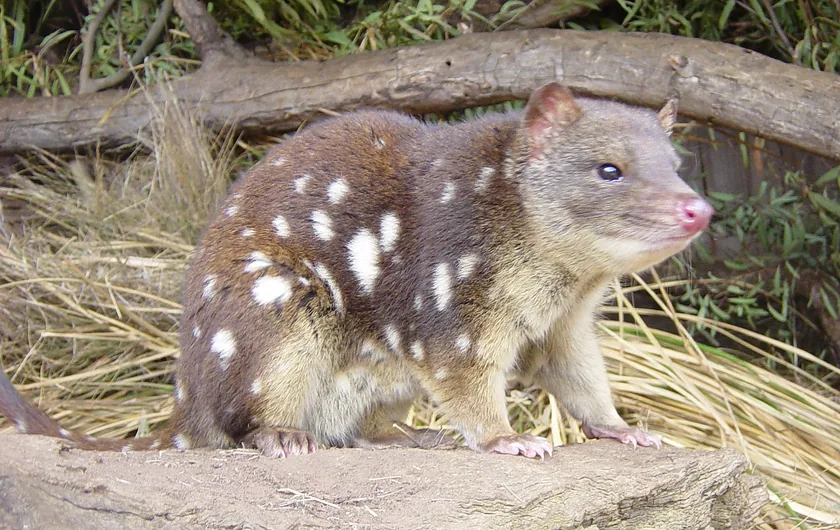
Native mammals returned across burnt Blue Mountains bushland
Five years after the Black Summer fires, camera traps found a similar set of native mammal species in burnt and unburnt bush. Feral cats were photographed more often than before.
Verified · NSW Local Land Services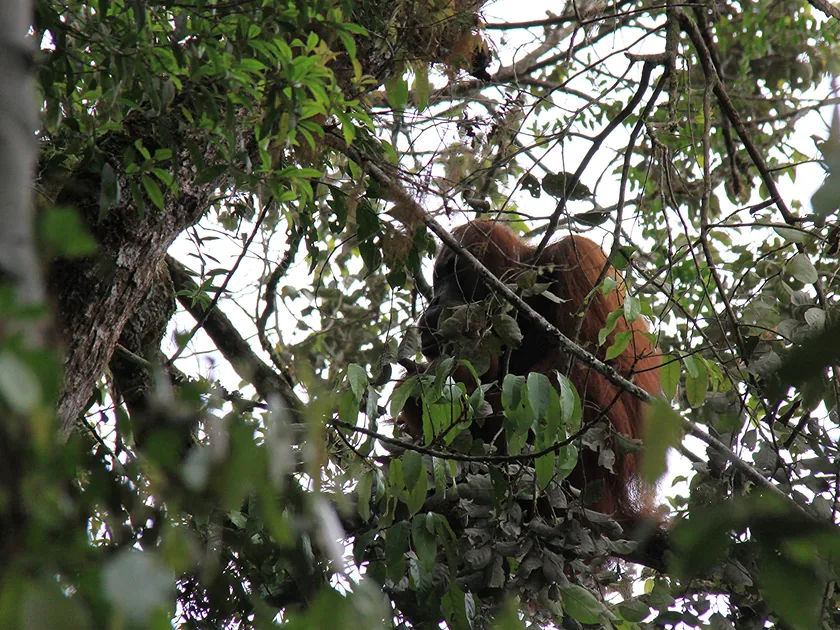 Animals
A young orangutan rescued in India arrived home in Sumatra
A male about three years old, taken from the illegal trade and held for rehabilitation in India, landed in Medan to begin quarantine and a planned return to care in North Sumatra.
Verified · The Indian Express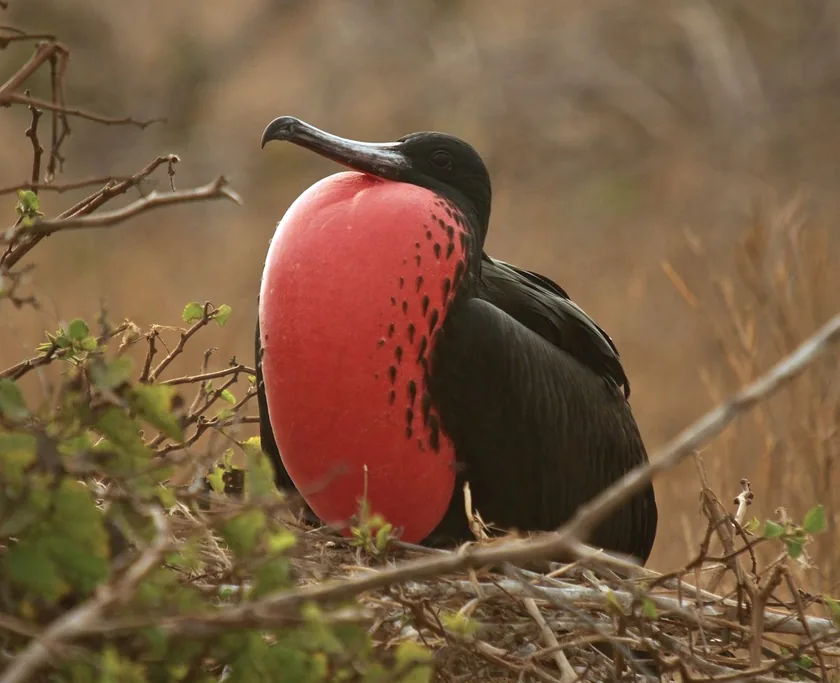 Animals
Alcatrazes marked ten years as a wildlife refuge
A decade after the archipelago off São Paulo became a federal refuge, monitors say sharks are showing up again. Night fishing is still a problem.
Verified · Folha de S.Paulo