Kunene rangers track desert lions on foot and by phone
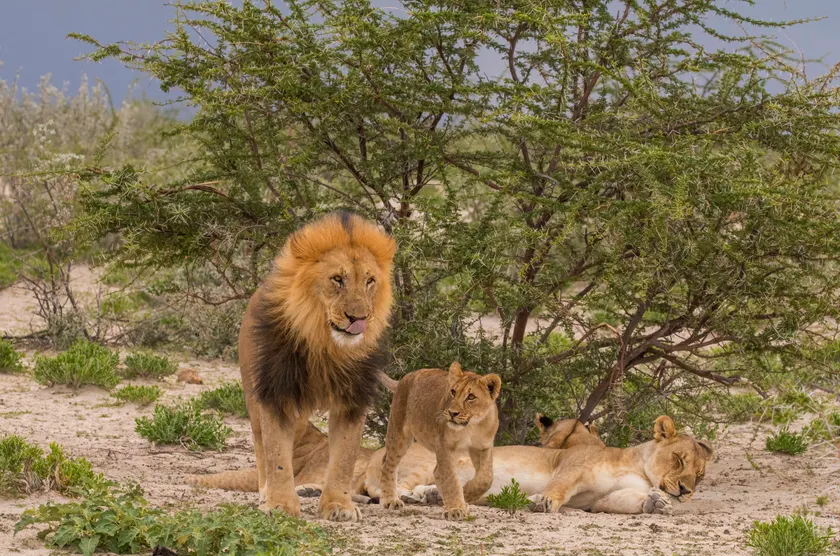
Lion Rangers across 11 conservancies in north-west Namibia log tracks on smartphones and follow 44 collared lions so herders can move livestock before a conflict starts.

Read the original
The reporting lives at Positive News. Our summary is checked against it, and we link it on every story.
Community rangers in north-west Namibia are pairing old tracking skills with phones so desert lions and livestock can share the same country. Positive News reported on October 29, 2026, that the Lion Rangers programme, started in 2018, works across 11 conservancies. Field coordinator Benjamin Kordom, whose family farm sits about 80 kilometres south of Khorixas, oversees more than 40 rangers, patrol leaders, and rapid-response members. Many of them farm as well.
They cover about 40,000 square kilometres, from the Skeleton Coast to the edge of Etosha. Patrols can run 40 kilometres a day on foot. Since 2021 the rangers have logged sightings, tracks, and livestock work in SMART, a free conservation app, instead of waiting days for a notebook to reach someone who can act. That feed is combined with camera traps and GPS from 44 collared lions. Alerts also go to some herders when a collared lion crosses a virtual fence, and 16 early-warning towers can sound a siren and switch on a light.
The population context is mixed, and the article says so. Lions in the north-west rebounded from about 20 adults in 1997 to about 180 by 2015. Wild prey later fell sharply, and the count the rangers treat as stable now is 60. In six conservancies, illegal killings of lions have stopped. In one 18-month stretch the rangers covered almost 280,000 kilometres, 88,000 of them on foot. Kordom, who lost his own herd to drought, told Positive News he does not want a Kunene without lions or without farms. The phones do not replace tracking. He described waiting on a coordinate for 12 hours, then finding the pride by fresh tracks beside a giraffe kill.
Khorixas, NamibiaWildlife conservationVolunteersGood news on October 29
More good news
Other stories in the same neighborhood of kindness.
 Animals
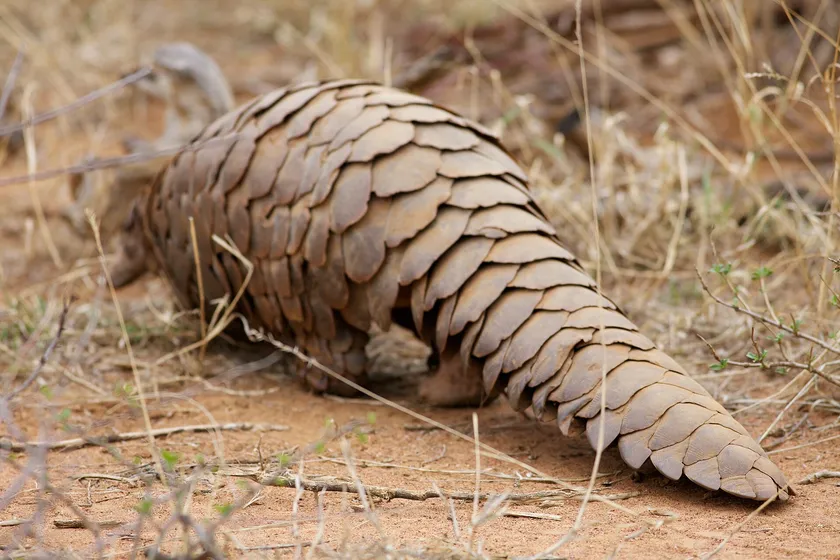
A young pangolin is in care at Waterberg after a wildlife-crime operation
Namibia's environment ministry and the police brought a juvenile female to specialized rehabilitation. She has not been released.
Verified · NAMPA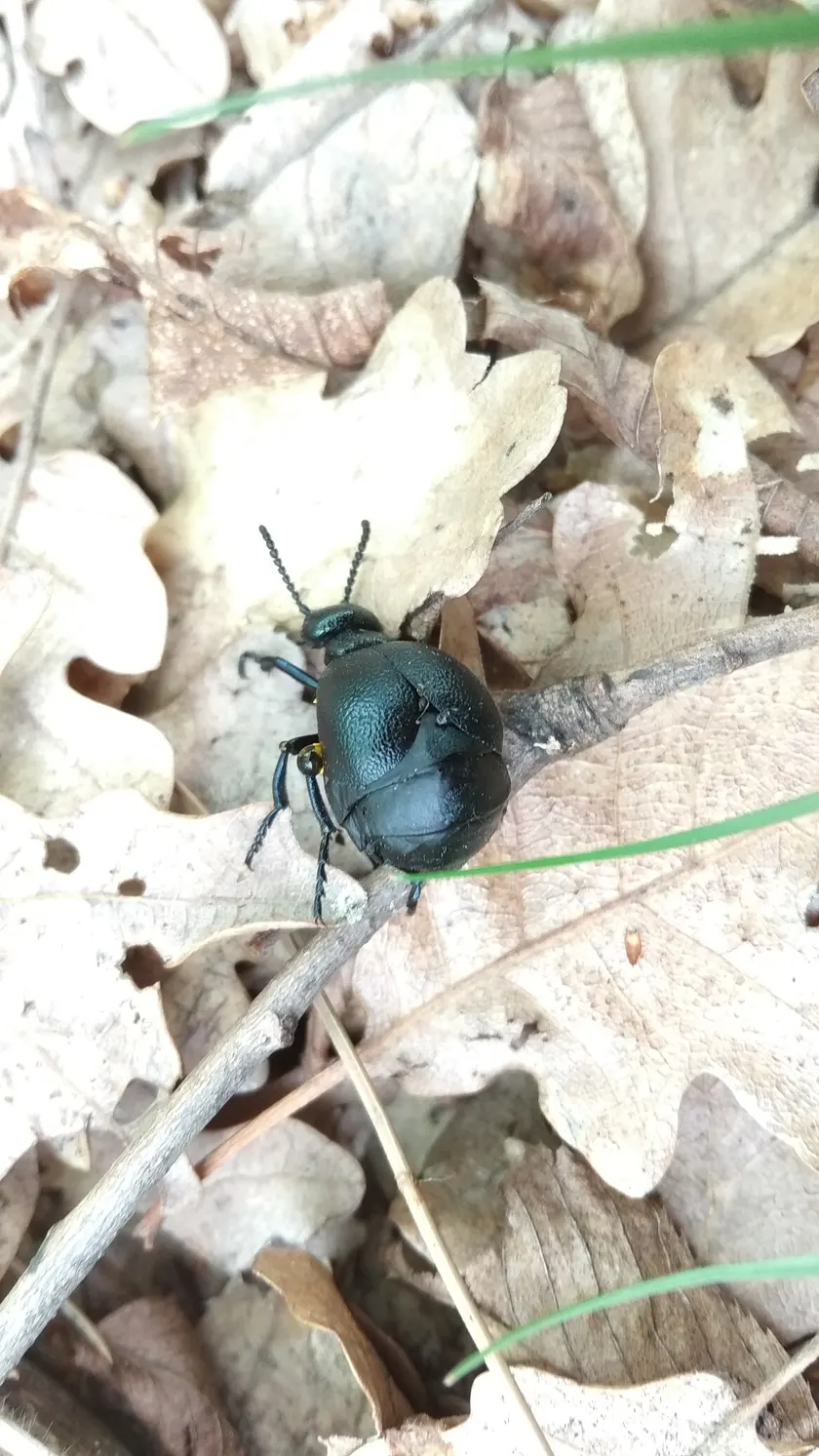 Animals
A rare oil beetle is breeding again at Castlemartin after nearly 60 years
This year's survey at the Pembrokeshire range found oil-beetle larvae after two earlier searches turned up only dead adults. About one in 10,000 larvae usually reach adulthood.
Verified · The Guardian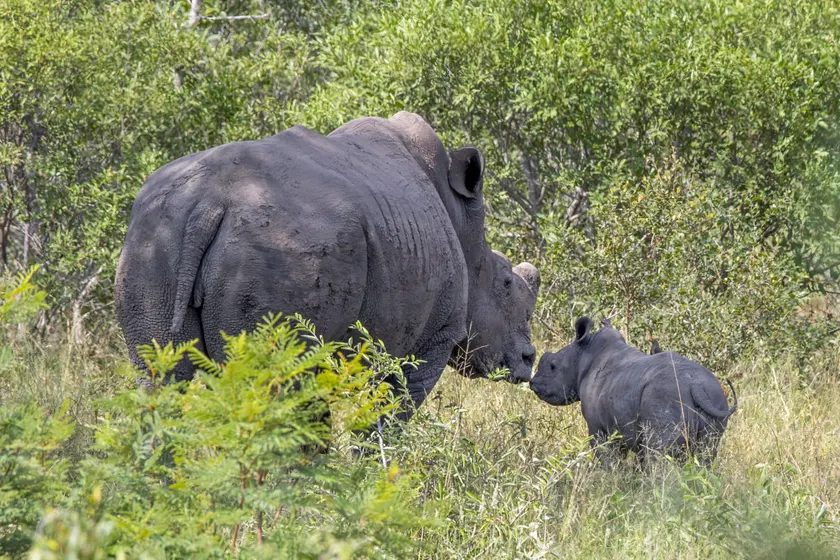 Animals
Rhino siblings Markus and Mo turned one with carrot cakes
The calves, born at Cotswold Wildlife Park near Burford, have grown from about 70 kilograms to about 500 kilograms each. The park now has nine rhinos, the most in its 56 years.
Verified · BBC News