Leiden biologists found that the Alpine newt is five species
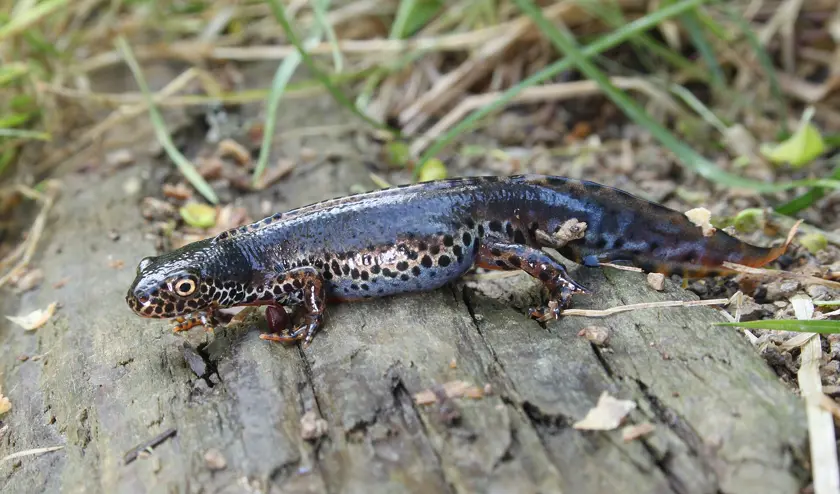
Phys.org reported a Leiden University study that split the look-alike amphibians and named a new one, Mesotriton similis, from the Vlasina Plateau on the Serbia-Bulgaria border.

Read the original
The reporting lives at Phys.org. Our summary is checked against it, and we link it on every story.
What scientists had been calling the Alpine newt is five species. Phys.org reported the finding on November 12, 2026, from genetic work by Leiden biologists. The animals look almost the same, including to a trained eye, but their DNA separates them. One of the five had not been described before. It lives on the Vlasina Plateau, on the border between Serbia and Bulgaria, and it received the name Mesotriton similis when the description was published in Zootaxa. The authors suggested "Vlasina Alpine newt" as the English name. Biologist Ben Wielstra, of Naturalis and Leiden University, said similis means similar, and that genetically this newt is at least as different from the original Dutch newts as a person is from a chimpanzee. Mating across these species produces young that are much less likely to survive.
Three of the five now occur in the Netherlands, because animals from the Balkans and Italy have also been introduced there. Wielstra and his Serbian colleagues wrote that the new species is the rarest Alpine newt in Europe. Its small range and small population leave it open to pollution, habitat damage, and fish that people put into its water. The authors also left the genus name open. Amphibian experts still disagree on whether this group should be called Mesotriton or Ichthyosaura. The result is a split of animals that already exist. It is not a claim that any of the five has suddenly become common.
For the classroom
Phys.org reported on November 12, 2026, that biologists in Leiden, in the Netherlands, found the animal long called the Alpine newt is really five species. They look almost the same, but their DNA is different. One had never been named. It lives on the Vlasina Plateau, on the border of Serbia and Bulgaria. The researchers called it Mesotriton similis. Similis means similar, because it looks like the others. It is the rarest of the five. Three of the species now live in the Netherlands, including animals people brought in from other parts of Europe.
- How can two animals look the same and still be different species?
- Where is the Vlasina Plateau, and which two countries share that border?
For a teacher to read with a class. Print the story of the day · Morning announcements · All classroom stories · This week's Good News Friday pack
Leiden, NetherlandsWildlife conservationRiversGood news on November 12
More good news
Other stories in the same neighborhood of kindness.
 Science
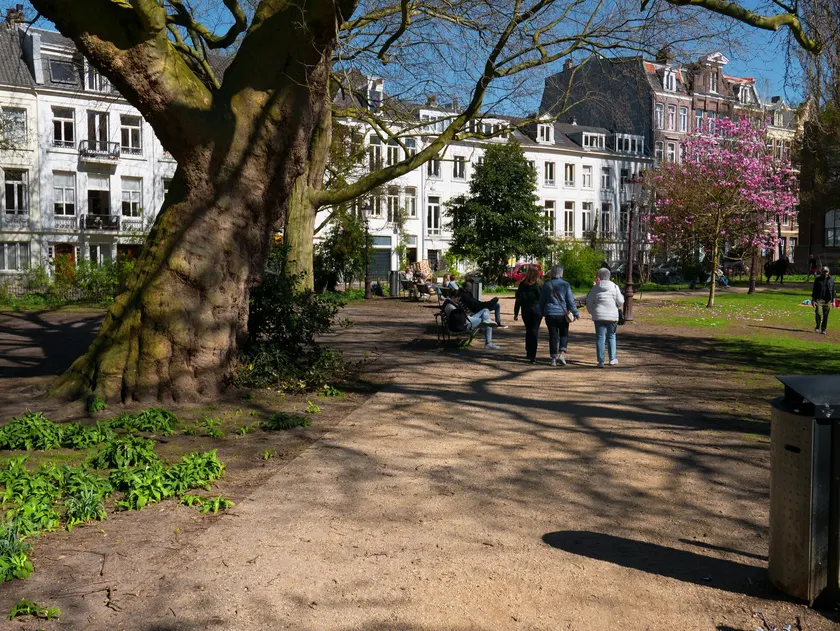
Amsterdam dug up 180 test elms to learn which soil makes shade
NOS reported that identical elms planted eight years ago in 15 soil mixes were lifted this week so researchers can compare roots, trunks, and crowns.
Verified · NOS Community
A designer in Baarn built a map of trees worth a detour
The Guardian reported that Hidde Burgmans's Ancient Trees app lets people log remarkable old trees, from a yew in Perthshire to finds in Lisbon and Paris.
Verified · The Guardian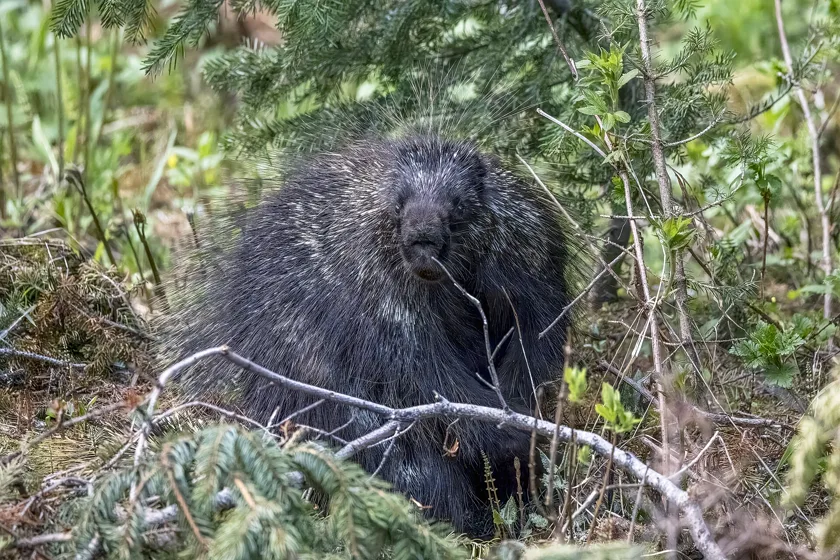 Animals
A porcupine born at Burgers' Zoo is now on view in Arnhem
Keepers watched the North American porcupette by camera and weighed it every day before mother and young moved into a public enclosure.
Verified · Omroep Gelderland