Honey bee colonies high in Tibet kept varroa mites from multiplying
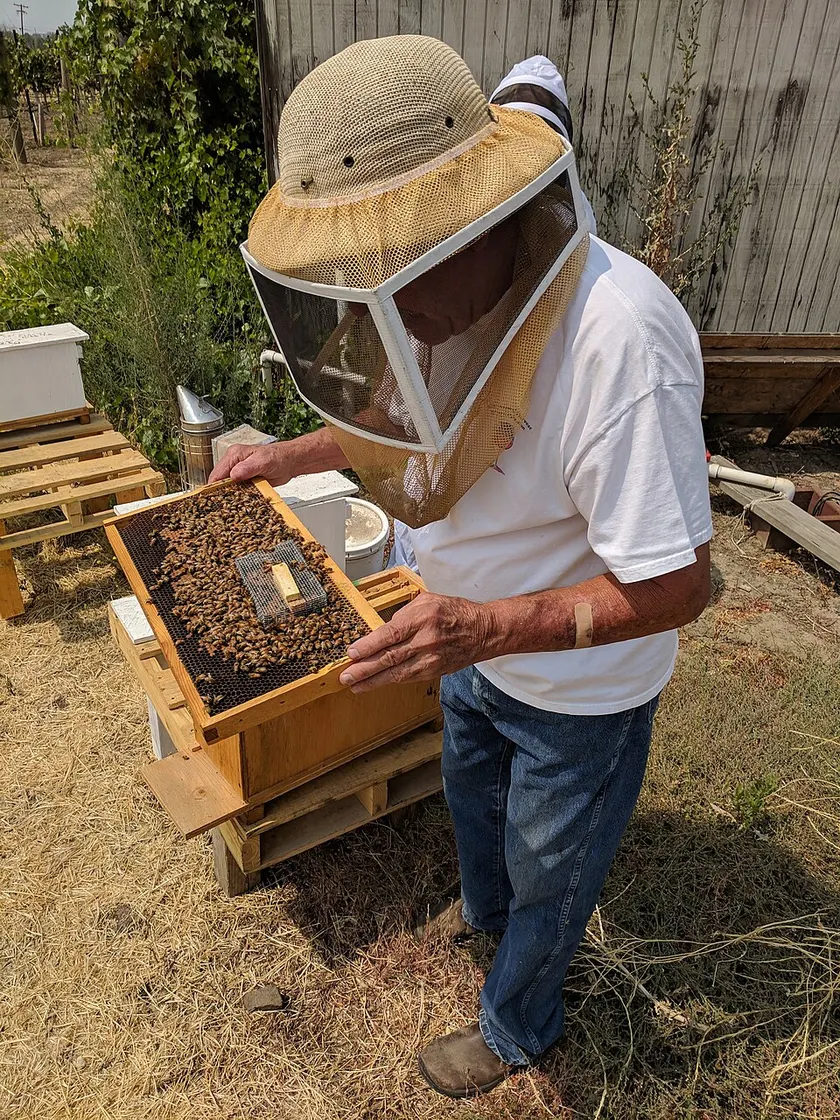
A PLOS Biology study, reported by Phys.org, moved 60 infested colonies to different heights. Thirteen of 15 hives above 3,500 metres in Lhasa lasted two years. Lower colonies did not last a year.

Read the original
The reporting lives at Phys.org. Our summary is checked against it, and we link it on every story.
Beekeepers in Tibet had noticed varroa mites seeming to vanish from hives, and a study tried to find out why. Phys.org reported on November 20, 2026, on a paper published November 19 in PLOS Biology by Huoqing Zheng at Zhejiang University and colleagues. The team split 60 infested honey bee colonies into four groups of 15 and moved them to four heights in Tibet and in Yunnan, in southern China. Colonies kept above 3,500 metres, about 11,500 feet, in Lhasa had the best two-year record: 13 of 15 were still alive. The colonies at the other sites did not last longer than a year.
Mites at the higher sites reproduced less, and their offspring developed more slowly. The same drop in reproduction showed up when the researchers created low-oxygen conditions in hives that were not at altitude. The authors' hypothesis is that the thin air of the plateau is what limits the mite. They said the result needs to be repeated in other settings. The reason two Lhasa colonies died was not recorded, because those hives were already empty at the check. The paper is a physiological limit on the mite, observed in this trial. It is not a method a beekeeper can order, and it does not say every high-altitude hive is safe.
For the classroom
Phys.org reported on November 20, 2026, on a study of honey bees and varroa, a mite that can destroy a hive. Scientists in China moved 60 infested colonies to different heights in Tibet and Yunnan. Hives kept above 3,500 metres in Lhasa did best: 13 of 15 were still alive after two years. Colonies lower down did not last a year. Mites in the thin air had fewer young. The same slowdown happened when the team made low-oxygen air in hives that were not in the mountains. Two Lhasa hives were empty, with no cause recorded. This is not yet a treatment a beekeeper can buy.
- Why would scientists move the same kind of beehive to more than one height?
- What is one food you eat that depends on a bee?
For a teacher to read with a class. Print the story of the day · Morning announcements · All classroom stories · This week's Good News Friday pack
More good news
Other stories in the same neighborhood of kindness.
 Science
Three 1,800-year-old wooden boats were lifted from under Beijing
Archaeologists raised the boats in one piece from seven meters down in Fengtai. An official stamp on the timbers points to state-run river shipping.
Verified · China Daily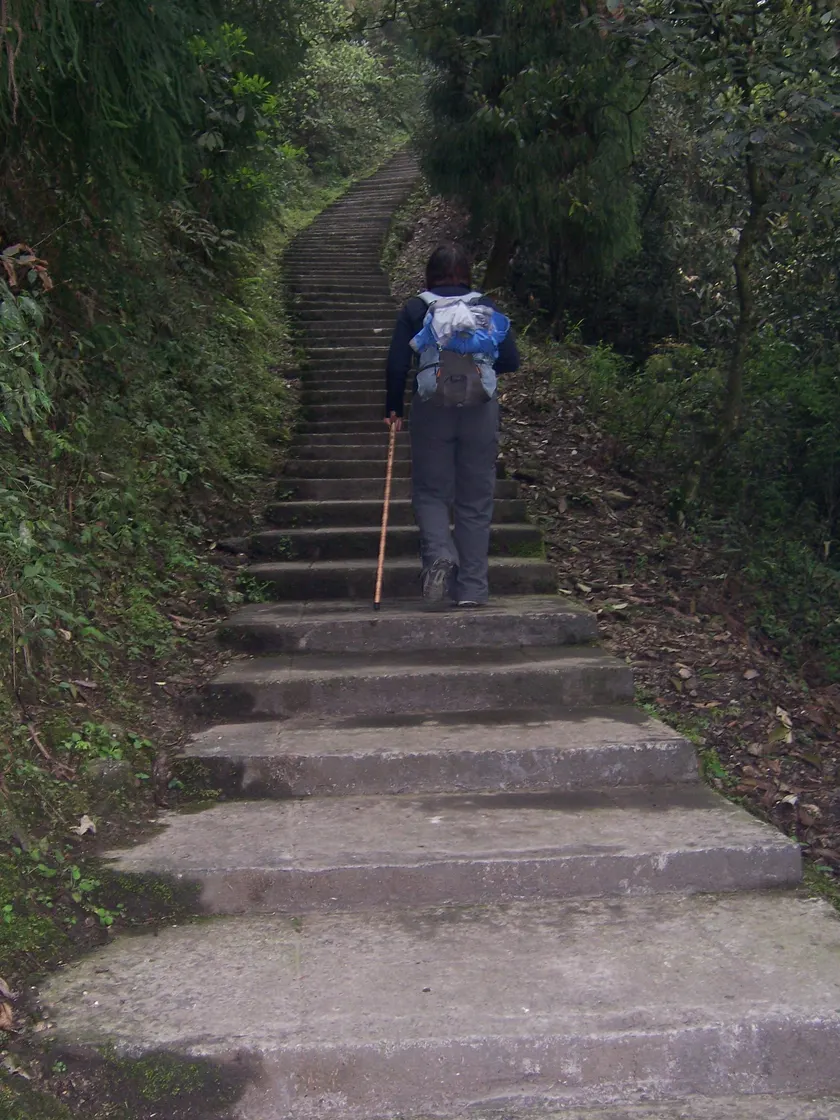 Community
Five siblings in Yueqing built 430 steps so their mother could go home
The South China Morning Post reported that five siblings hand-built a mountain path of 430 steps and 11 turns in Yannan Village so their 86-year-old mother could reach the house where she grew up.
Verified · South China Morning Post Animals
Wuhan Wildlife Kingdom is showing its first litter of tiger cubs
China Daily reported that four Siberian tiger cubs, the park's first home-bred litter, are in a nursery visitors can now watch.
Verified · China Daily