London Zoo bred Afia Birago's puddle frogs for the first time
Fifteen froglets, each about the size of a pencil tip, are the first of their species born in human care. A release in Ghana has not happened.

Read the original
The reporting lives at BBC News. Our summary is checked against it, and we link it on every story.
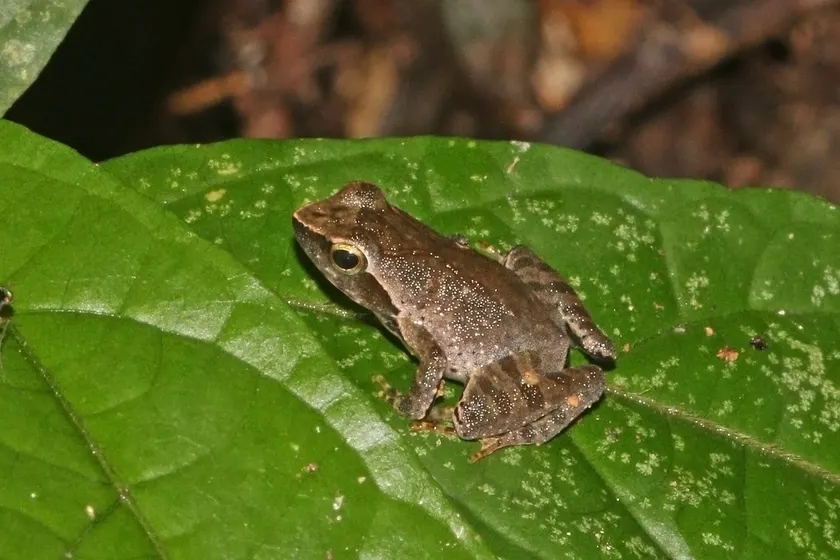
Fifteen froglets about five millimeters long are the first Afia Birago's puddle frogs known to be born in captivity. BBC News reported on October 15, 2026, that the births happened at London Zoo. Phrynobatrachus afiabirago was described in 2018 and lives in just two pools in Ghana's Atewa Hills, where mining threatens the forest. A full-grown adult weighs less than 1.75 grams. The zoo received 20 adults in September 2025 and does not know of another zoo that keeps the species.
The frog is named for Afia Birago, the mother of Ghanaian researcher Caleb Ofori-Boateng, who described it. Keepers including Unnar Aevarsson, and conservation lead Ben Tapley, are sharing the breeding methods with the CSIR-Forestry Research Institute of Ghana in Kumasi. The aim is a population in Ghana that could later be released. That release has not happened. The births follow a first captive breeding of the related Atewa slippery frog in November 2025. Fifteen froglets are a start in a tank, not a recovered wild pool.
For the classroom
BBC News reported on October 15, 2026, that London Zoo has bred a tiny frog from Ghana for the first time. Afia Birago's puddle frog was described in 2018 and lives in just two pools in the Atewa Hills, where mining is a threat. Fifteen babies have hatched. Each one is about five millimeters long, close to the tip of a pencil. No other zoo is known to keep them. Keepers are sharing what they learned with researchers in Kumasi. The hope is a group that could someday go back to those pools. That release has not happened.
- Why would a frog that lives in only two pools be hard to protect?
- What is the difference between breeding frogs at a zoo and returning them to a forest?
- Where is Ghana, and how small is five millimeters compared with a pencil?
For a teacher to read with a class. Print the story of the day · All classroom stories
More good news
Other stories in the same neighborhood of kindness.
 Animals
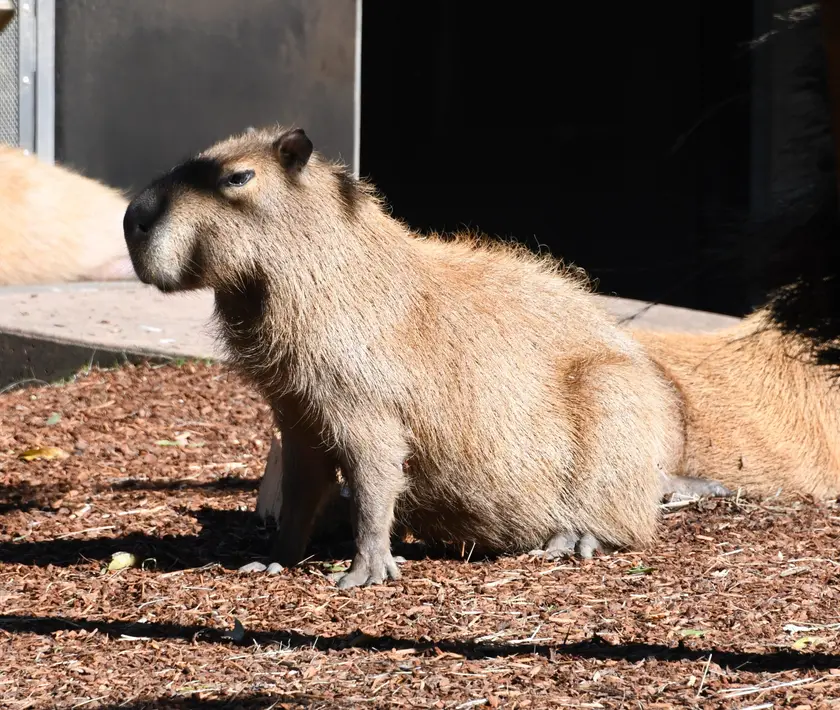
Pepita the capybara had four pups overnight at Shepreth Wildlife Park
The Cambridgeshire park said the pups arrived on the night of October 15. Once their sexes are known, visitors will help give them food-inspired names.
Verified · BBC News Animals
A Canterbury group is learning to free pigeons from tangled feet
Canterbury and Thanet Stringfoot Pigeons trained this month to remove string and hair from city birds without taking them from their flock.
Verified · BBC Animals
Edinburgh Zoo welcomed two Asiatic lion cubs, its first in seven years
Bindee and Jay's cubs were born on October 11. They will stay off exhibit for several months, and the habitat is closed while keepers watch them on camera.
Verified · STV News