New Zealand sent 300 seed samples to the Svalbard vault
RNZ reported that the Margot Forde Genebank's latest deposit includes grasses grown for more than 25 years in a carbon-dioxide-rich atmosphere, marking ten years of New Zealand shipments.

Read the original
The reporting lives at RNZ. Our summary is checked against it, and we link it on every story.
The Margot Forde Genebank in Palmerston North has placed another 300 seed samples in the Svalbard Global Seed Vault. RNZ reported the deposit on November 23, 2026, ten years after New Zealand's first shipment. The vault, in the permafrost of a Norwegian Arctic mountain, holds more than 1.4 million samples from around the world as copies of crops people rely on.
Director Kioumars Ghamkhar said this year's box includes grasses grown for more than 25 years in air enriched with carbon dioxide, a stand-in for a harder future atmosphere. He said the plants adapted by ordinary change over time, not by genetic modification, and that the seeds are there in case of a disaster. The gene bank chooses what to send by what matters to New Zealand's farm heritage and what might matter more widely as the climate shifts. Ryegrass and white clover are among the core species. So far it has shipped close to 3,500 samples, dried and sealed in double-layered aluminium pouches. The long-term aim is about 18,000 samples, roughly a tenth of the collection. Ghamkhar said the team has a role and rejected the idea that the country's food future sits in their hands alone. The news is this deposit. It is not that larger goal, and it does not say the grasses are ready as new farm varieties.
For the classroom
RNZ reported on November 23, 2026, that a seed bank in Palmerston North, New Zealand, sent about 300 samples to the Svalbard Global Seed Vault, inside a mountain in the Arctic. The vault keeps backup copies of crop seeds from many countries so food plants are not lost. This shipment marks ten years since New Zealand's first deposit. Some of the seeds are grasses that grew for more than 25 years in air with extra carbon dioxide, a stand-in for a future atmosphere. Director Kioumars Ghamkhar said the plants changed on their own, not by genetic modification. This news is the latest box, not a backup of every crop.
- Why keep a second copy of seeds in a cold mountain far from the farm?
- What is a food plant your family eats that started as a seed?
For a teacher to read with a class. Print the story of the day · Morning announcements · All classroom stories · This week's Good News Friday pack
More good news
Other stories in the same neighborhood of kindness.
 Community
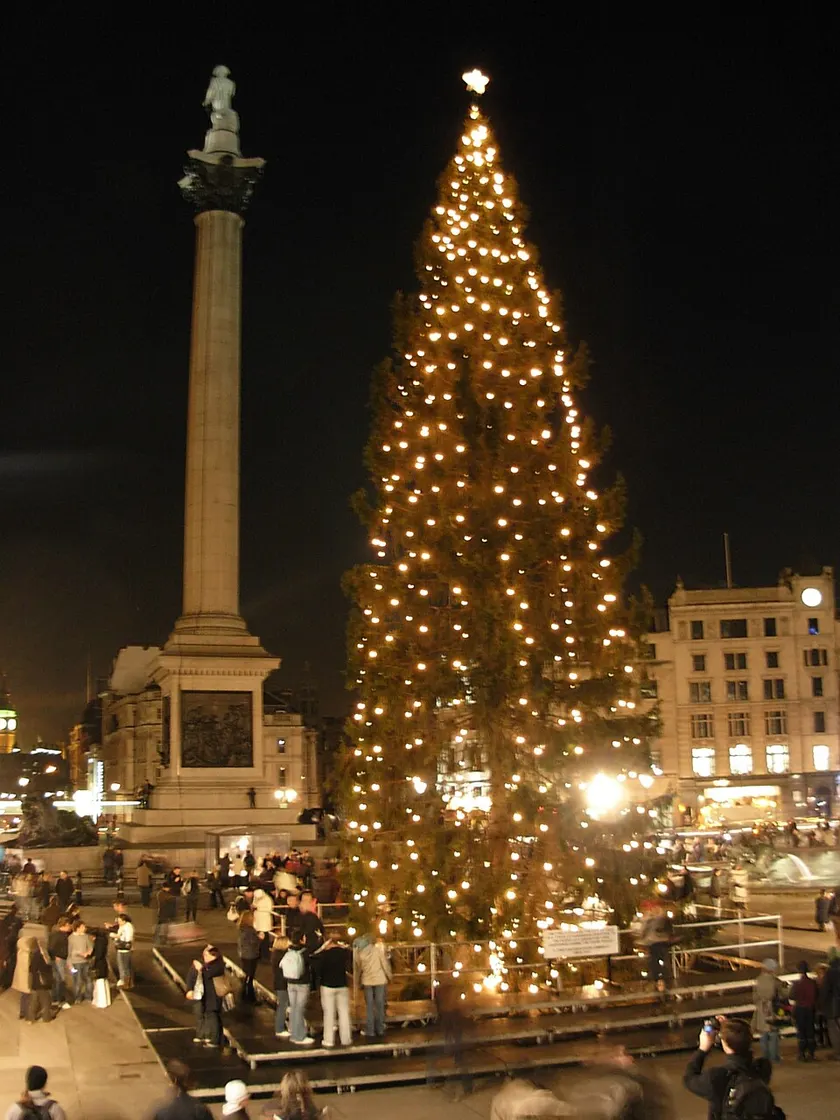
Oslo and Westminster mayors cut London's Christmas tree in Norway
BBC London reported that the 21-metre spruce, about 75 years old and nicknamed Jolly Cheery, will be lit in Trafalgar Square on December 3.
Verified · BBC Community
Bryne's library put a 1594 saga book on public view
The Guardian reported that Erling Haaland and his father gave the Time library the only known complete private copy of a printed royal-saga book. It cost 1.3 million kroner at auction.
Verified · The Guardian Science
A passenger rode a pilotless air taxi on a short flight in Kai
Euronews reported a 380-metre demonstration on November 20 at an academy runway in Yamanashi. A later uncrewed lap covered about 1,800 metres. Commercial service is not approved.
Verified · Euronews