Maputo National Park is a winter stop for birds flying from the Arctic
Curlew sandpipers and other migrants use the park's mudflats between Eurasian breeding grounds and southern Africa. Protecting one stop does not save the whole route.

Read the original
The reporting lives at Mongabay. Our summary is checked against it, and we link it on every story.
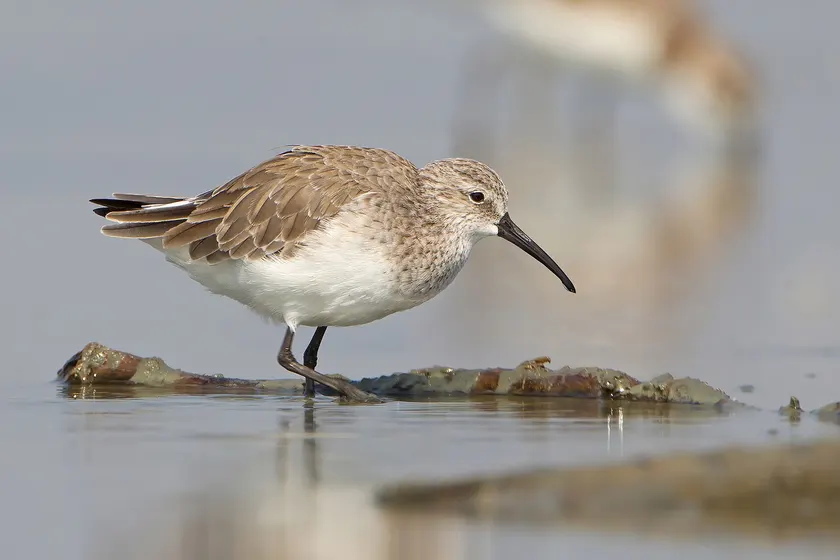
Shorebirds that nest in the Arctic are spending the other half of the year on mudflats south of Maputo. Mongabay reported on October 20, 2026, that Maputo National Park links Eurasian breeding grounds with wintering sites in southern Africa. Alex Ngari of BirdLife International's Africa programme said the park's lagoons, mangroves, and tidal flats matter on that route. The curlew sandpiper, Calidris ferruginea, listed as vulnerable, breeds in the Arctic and feeds on invertebrates in the mud. Ospreys, Madagascar bee-eaters, flamingos, and herons use the same coast.
The park was created in December 2021 by combining older terrestrial and marine reserves, about 1,700 square kilometers. More than 5,000 animals have been moved in since 2010. Mozambique's conservation agency, ANAC, co-manages the park with the Peace Parks Foundation. Bartolomeu Soto said communities are involved in mangrove restoration, fisheries management, and monitoring. The landscape is tied to the iSimangaliso wetlands across the border as a UNESCO site. The East Atlantic Flyway crosses about 75 countries and carries on the order of 90 million birds. A protected mudflat in Mozambique cannot hold a migration together if the other stops fail. A recent global bird assessment, cited by Mongabay, found nearly half of assessed migratory species in decline. The park is one working stop, not the whole route.
For the classroom
Mongabay reported on October 20, 2026, that Maputo National Park in southern Mozambique is a resting place for migrating birds. The park has lagoons, wetlands, mangroves, and wide mudflats. It sits between breeding grounds in Europe and Asia and wintering places farther south in Africa. One visitor is the curlew sandpiper, which nests in the Arctic and feeds on tiny animals in the mud. Ospreys, bee-eaters, flamingos, and herons use the park too. Communities help restore mangroves and watch the wildlife. A safe stop here still depends on other countries protecting the rest of the route.
- Why would a bird that nests in the Arctic need a mudflat in Mozambique?
- What might happen to that bird if only one stop on the route is protected?
- Where is Maputo, and what is a mudflat?
For a teacher to read with a class. Print the story of the day · All classroom stories
More good news
Other stories in the same neighborhood of kindness.
 Animals
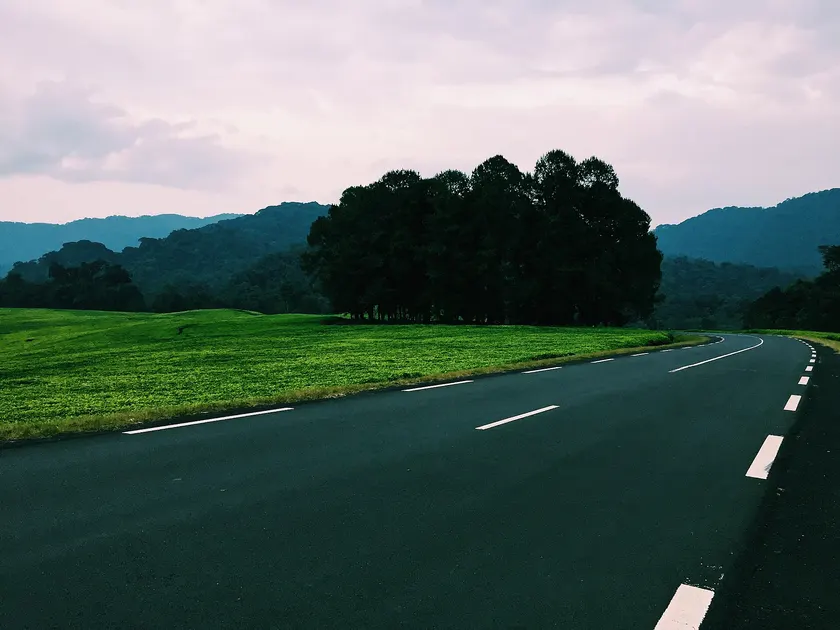
Mount Mabu is now a community conservation area
Mozambique set aside 9,341 hectares around the mountain in Zambezia, to be managed with 11 communities, for forest, springs, and species found almost nowhere else.
Verified · BIOFUND Animals
Costumed dogs parade down Germantown Avenue in Chestnut Hill
Dozens of dogs joined the fourth annual Halloween Pet Costume Parade. Neighbors have also been lining up to walk Cyrus, an adoptable rescue dog.
Verified · Billy Penn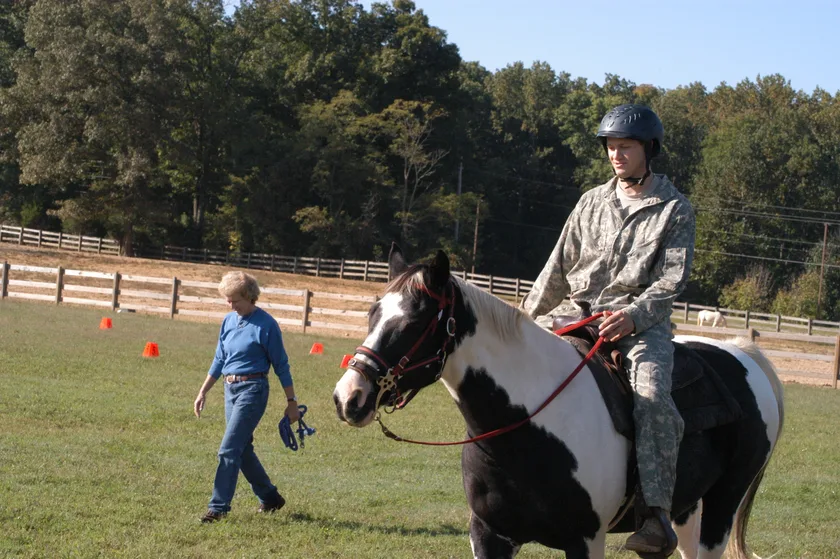 Animals
Eagles' Wings opens stables where adults will learn to ride
The West Alabama nonprofit opened donated Virginia Stables at Eagles Pointe, with horses Louie and Dixie, for the 40 adults it serves. Trainers will work with the horses before riding begins.
Verified · WBRC