Twenty-one rescued animals went back into Mérida's Cuxtal reserve
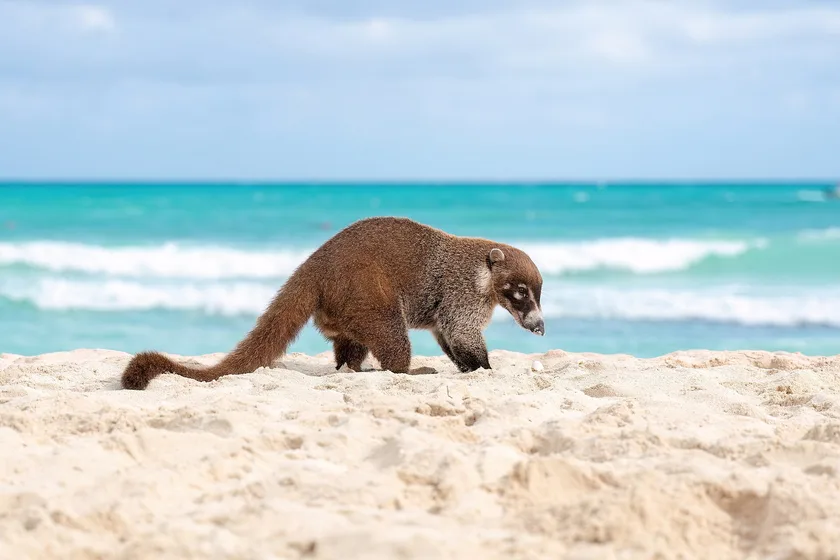
Quadratín Yucatán reported that Profepa released 21 animals in the Cuxtal reserve on November 26, including boas, coatis, opossums, raccoons, and two hawks, after care at local zoos and wildlife centers.

Read the original
The reporting lives at Quadratín Yucatán. Our summary is checked against it, and we link it on every story.
Twenty-one animals that neighbors in greater Mérida had rescued or turned in are back inside the Cuxtal municipal ecological reserve. Quadratín Yucatán reported on November 26, 2026, that the federal environmental prosecutor, Profepa, released them that day with protection staff from the state water agency Japay and specialists from Animaya zoo. Before the release, the animals went to wildlife management units, other sites that handle wild animals, and local zoos for veterinary care until they were fit to survive on their own.
The count was eight boa constrictors, five Virginia opossums, four white-nosed coatis, two raccoons, one gray hawk, and one great black hawk. Under Mexico's endangered-species standard, the paper said, the boa is listed as threatened and the great black hawk is under special protection. The local name in the story for the coati is tejón. The news is one release of animals that had already been rehabilitated. It does not say how long each animal had been in care, or whether any of them will be tracked.
For the classroom
Quadratín Yucatán reported that on November 26, 2026, Mexico's environmental prosecutor released 21 wild animals into the Cuxtal reserve in Mérida. Neighbors had rescued them or brought them in. They were cared for at wildlife centers and local zoos until they were strong enough to leave. The group was eight boa constrictors, five opossums, four white-nosed coatis, two raccoons, one gray hawk, and one great black hawk. In Mexico the boa is listed as threatened, and the great black hawk has special protection. Staff from the city's water agency and from Animaya zoo helped with the release.
- Why would an animal need time in a wildlife center before it can go back outside?
- What should a person do if they find a wild animal that looks hurt, instead of keeping it?
For a teacher to read with a class. Print the story of the day · Morning announcements · All classroom stories · This week's Good News Friday pack
Mérida, MexicoWildlife conservationAnimal rescueGood news on November 26
More good news
Other stories in the same neighborhood of kindness.
 Animals
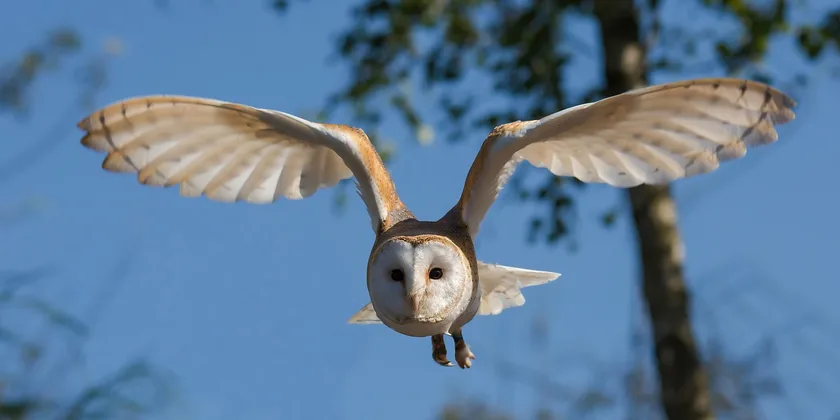
Profepa released nine rehabilitated animals in a Guanajuato protected area
El Universal reported that Profepa released nine animals in a Guanajuato protected area on November 26, including casquito turtles, caracaras, two snakes, an opossum, and a barn owl. Two other owls are still in care.
Verified · El Universal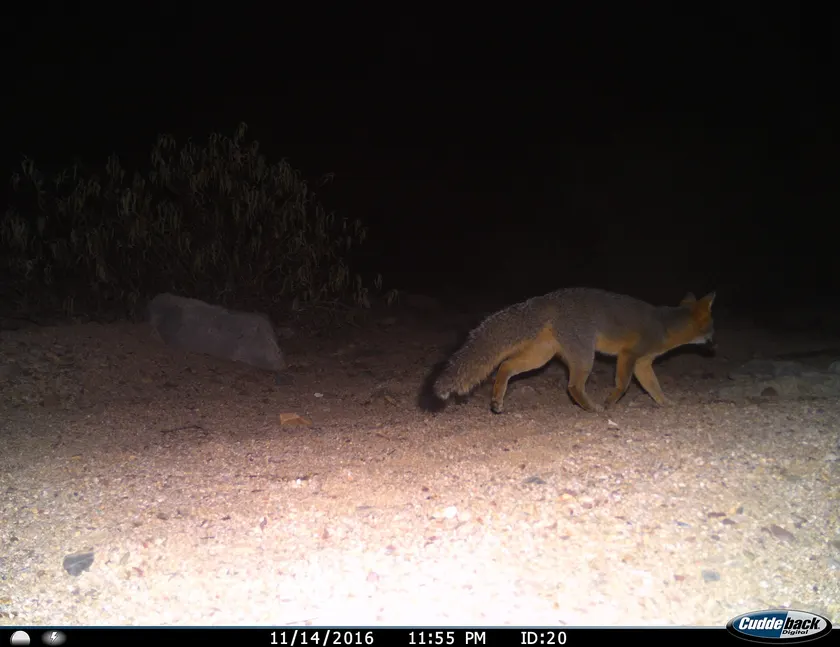 Animals
Two gray foxes rescued near Tepic recovered and went back to the woods
El Mañana reported that Profepa released two young gray foxes in a Nayarit forest after they were found sick near Tepic on October 16.
Verified · El Mañana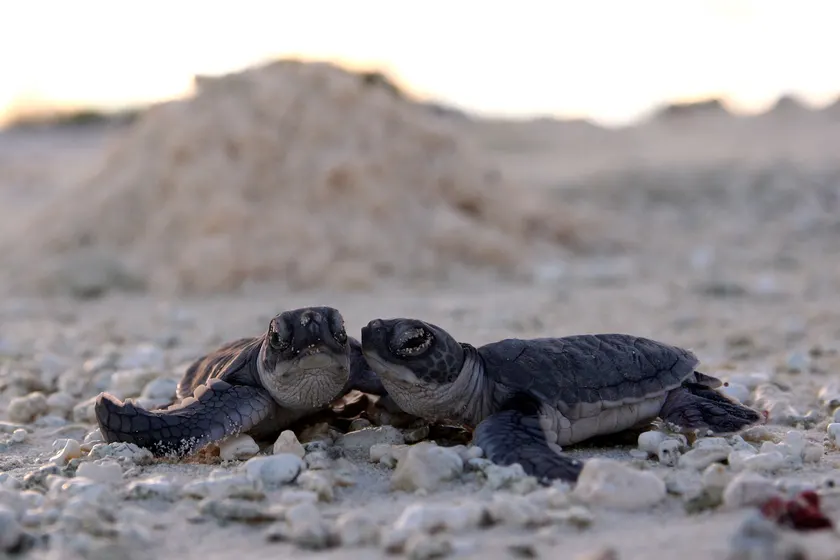 Animals
A Mazatán group walked the first 90 hatchlings of the season to the sea
El Sol del Soconusco reported that the turtle museum's community team has 22 nests in protection, seven more than last season, and a public release with no hands on the animals.
Verified · El Sol del Soconusco