Bird counts nearly tripled on two Isle of Wight rewilding farms
The Isle of Wight Observer reported a wildlife trust study of former farmland at Little Duxmore and Nunwell, where butterflies, bumblebees, moths, and earthworms increased too.

Read the original
The reporting lives at Isle of Wight Observer. Our summary is checked against it, and we link it on every story.
Bird numbers have almost tripled at a rewilding site on the Isle of Wight, and insects and earthworms are up as well. The Isle of Wight Observer reported the findings on November 25, 2026, from a new report by Hampshire and Isle of Wight Wildlife Trust. The sites are former intensively farmed land. Rewilding at Wilder Little Duxmore, near Newchurch, began in 2020. Wilder Nunwell, near Brading, has been in transition since 2022.
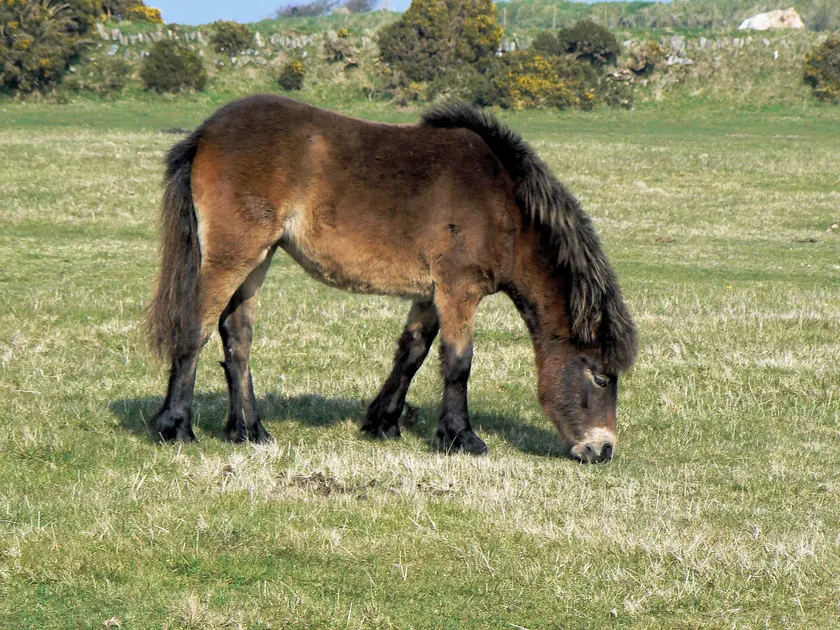
At Little Duxmore, surveys have recorded 20 bird species that were not there before. Across both sites, 75 bird species and 27 butterfly species have been identified, including several threatened species. At Nunwell, butterflies counted per survey increased by 117 percent, bumblebees by 64 percent, and moth species diversity by 70 percent. Earthworm numbers at Nunwell rose by 66 percent. The Observer said monitoring has also shown improvements in soil health and water quality. Exmoor ponies graze at Little Duxmore, and cattle and pigs graze at Nunwell, shaping a mix of habitats. Aggie Iveson, a nature-based solutions officer at the trust, said the team had hoped for change but had not known it would come so quickly. The counts are what the surveys recorded. They are not a forecast for the whole island.
For the classroom
The Isle of Wight Observer reported on November 25, 2026, that wildlife has increased on two former farms in England. At Wilder Little Duxmore, near Newchurch, rewilding began in 2020 and bird counts have almost tripled, with 20 species new to the surveys. At Wilder Nunwell, near Brading, work began in 2022. Butterflies counted per survey rose by 117 percent, bumblebees by 64 percent, and the variety of moths by 70 percent. Earthworms at Nunwell rose by 66 percent. Exmoor ponies, cattle, and pigs graze the land and help shape the habitat. These are survey counts, not a count of every animal on the island.
- How can ponies, cattle, and pigs help birds and insects by the way they graze?
- What is one small patch of land near your school that could be left a little wilder?
For a teacher to read with a class. Print the story of the day · Morning announcements · All classroom stories · This week's Good News Friday pack
Newchurch, United KingdomWildlife conservationBirdsPollinatorsFarmingGood news on November 25
More good news
Other stories in the same neighborhood of kindness.
 Animals
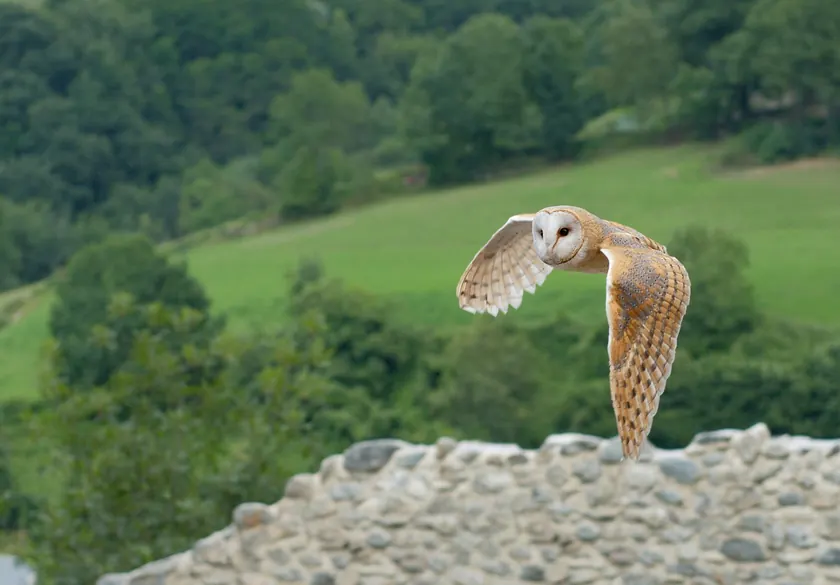
Ham Wall counted its best barn owl year in two decades
BBC News reported that five pairs at the Somerset wetland hatched 25 owlets in 2026, after the poorest season a year earlier.
Verified · BBC News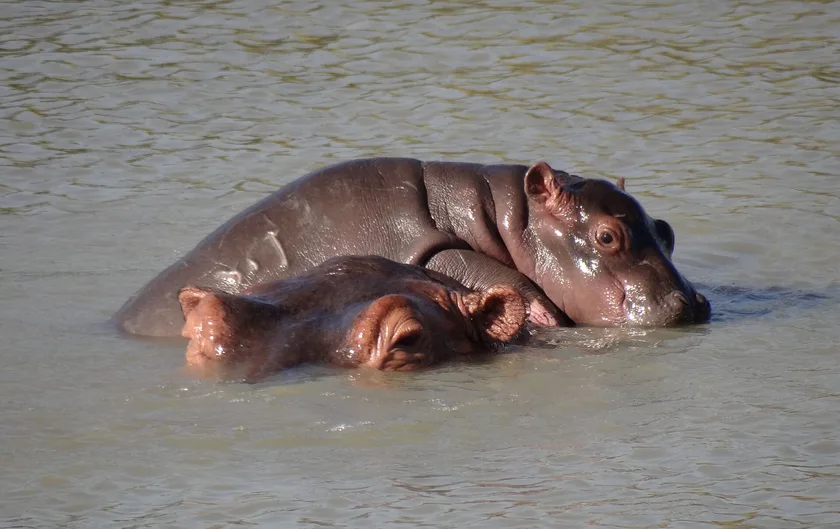 Animals
Longleat has its first hippo calf in more than forty years
Longleat said on November 26 that a calf born to Matylda is the estate's first hippo in more than forty years, and the first hippo born in the UK since May 2024. Keepers do not yet know its sex.
Verified · Longleat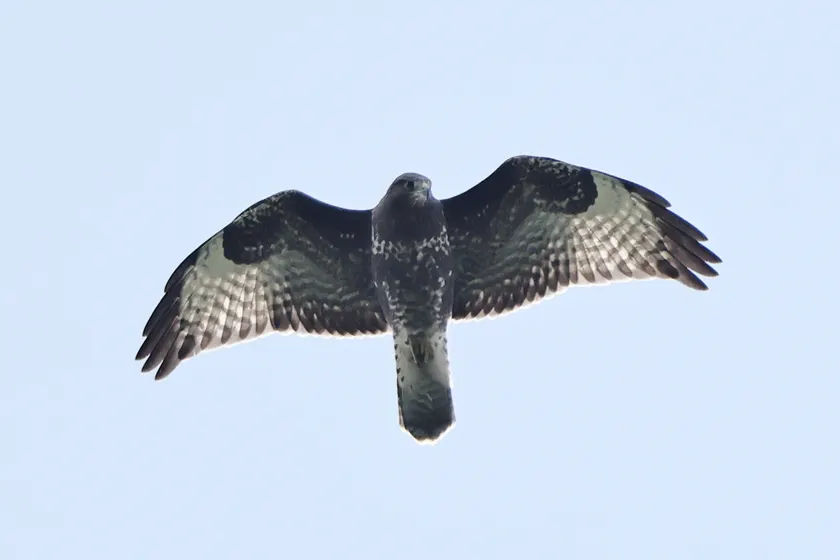 Animals
A buzzard caught on barbed wire flew free again over Worcestershire
B31 Voices reported that neighbors and an RSPCA inspector got the bird down from a telegraph pole in Romsley, and that it was released on November 21 after care at Vale Wildlife Hospital.
Verified · B31 Voices