Simple gear cut seabird bycatch on Cornish fishing boats
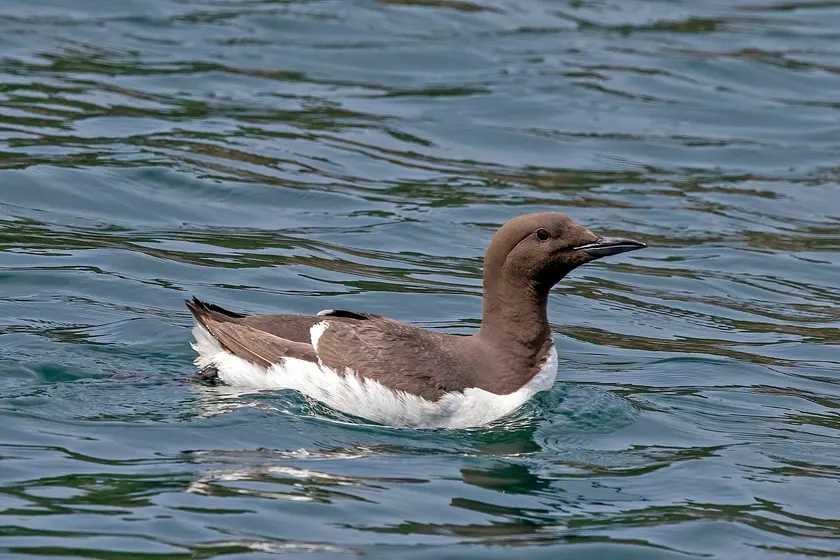
A two-year trial with 10 Cornish fishers found looming-eye buoys and bird-shaped kites lowered the chance a diving bird was caught in nets.

Read the original
The reporting lives at The Guardian. Our summary is checked against it, and we link it on every story.
A two-year trial with Cornish fishers found that simple visual deterrents reduced the chance of catching diving seabirds in nets. The Guardian reported the results, published in Conservation Letters, from work by the University of Exeter with Fishtek Marine. Cameras on the boats recorded what happened. A looming-eyes buoy cut the chance of a catch by 59 percent. Bird-shaped kites cut it by 71 percent. Lead author Tom Horton and Yann Rouxel, the RSPB's bycatch programme manager, described the trial. Ten Cornish fishers took part. Most bycatch off Cornwall happens in winter.
The paper's wider context is an estimate of about 95,000 diving birds, including razorbills and guillemots, caught in nets off European coasts each year. The measured result is the drop in catch chance on these boats when the buoys or kites were in use. It is not a count of birds saved across the fishery, and the Guardian does not name a single harbor as the base of the trial.
More good news
Other stories in the same neighborhood of kindness.
 Animals
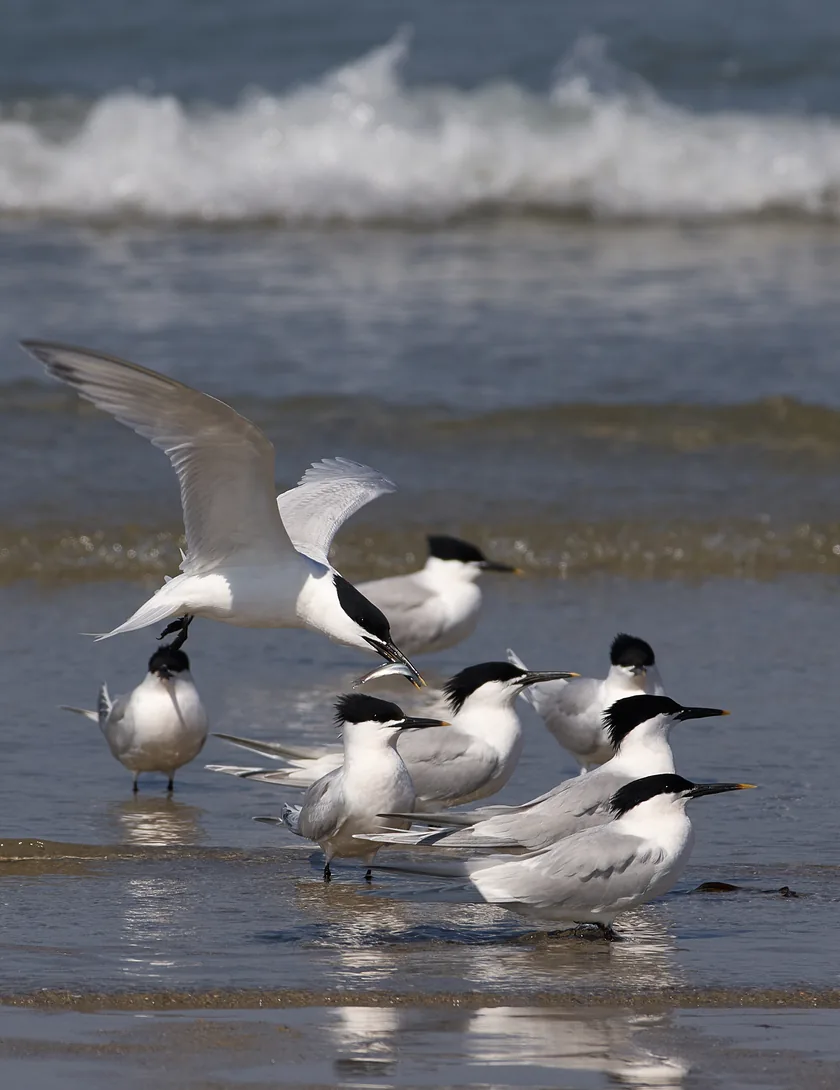
Sandwich terns returned to Pagham Harbour after bird flu
A colony wiped out in 2022 had 756 breeding pairs this year, and 570 chicks fledged, after staff and volunteers rebuilt nesting space on the Solent.
Verified · The Guardian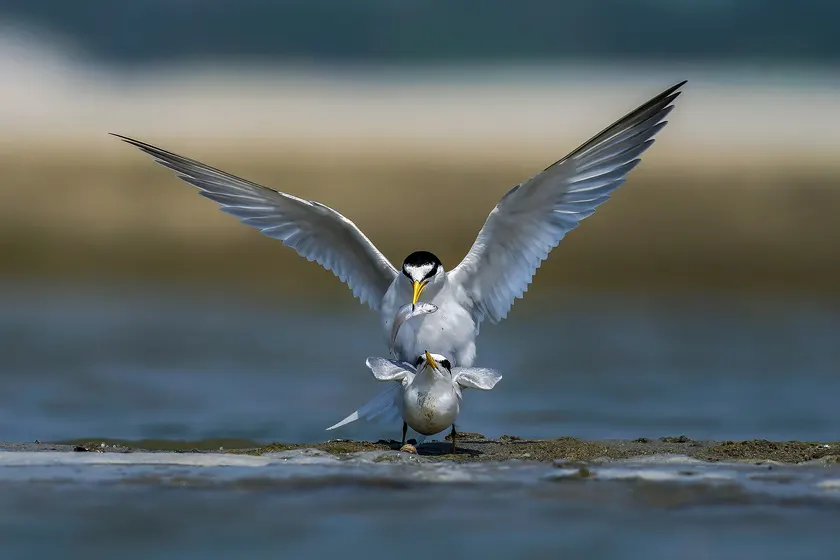 Animals
Dredged shingle is being placed for birds on the Blackwater
Sediment from Harwich Harbour is going onto banks at Cobmarsh Island and Old Hall Point, habitat for little terns, ringed plovers, and oystercatchers.
Verified · BBC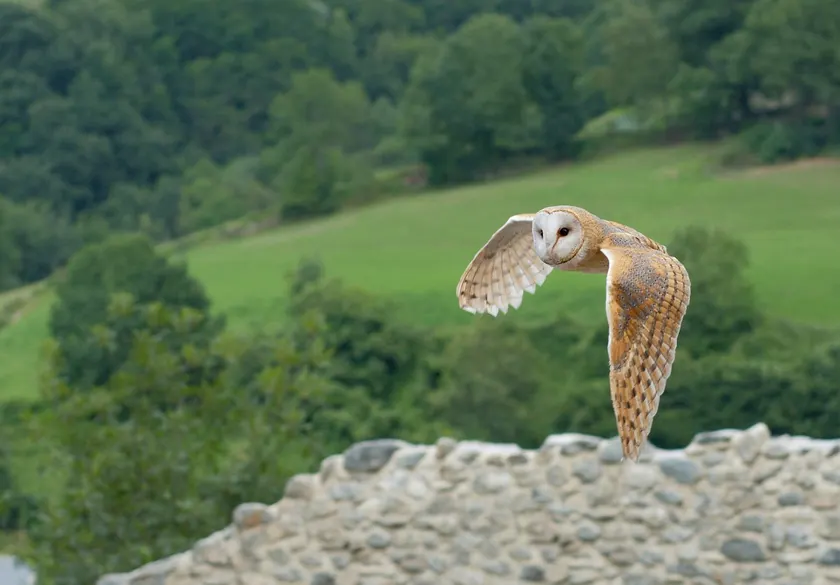 Animals
Sixteen barn owls were ringed on Purbeck farmland
Birds of Poole Harbour and the National Trust fitted rings to 15 chicks and one adult at three farmland sites, a first ringing visit of its kind for Purbeck.
Verified · BBC