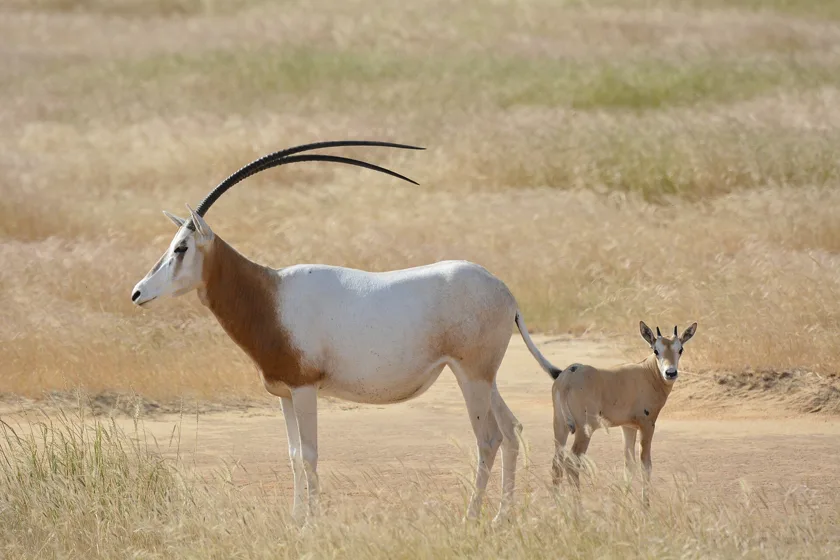
Chad's scimitar-horned oryx herd has grown from 25 animals to 700
Mongabay reported that a reintroduction led by Sahara Conservation has lifted the scimitar-horned oryx from extinct in the wild to endangered, with the largest herd now in Chad.

Read the original
The reporting lives at Mongabay. Our summary is checked against it, and we link it on every story.
Mongabay reported on November 17, 2026, that the scimitar-horned oryx is back in Chad and that its global status has improved from extinct in the wild to endangered. The antelope had disappeared from Chad by the late 1980s and was declared extinct in the wild in 2000. A reintroduction led by the group Sahara Conservation has built a herd in Ouadi Rimé-Ouadi Achim Wildlife Reserve, the country's largest protected area. Mongabay said that herd grew from 25 animals in 2016 to 700, and that it is now the largest in the world.
The short report also said the animals still face long droughts, shifting conditions, and competition with livestock for grazing. The news is the larger herd and the change in status. It is not a claim that the threats have ended.
For the classroom
Mongabay reported on November 17, 2026, that scimitar-horned oryx are living in Chad again. This antelope has long curved horns. It had vanished from Chad by the late 1980s and was declared extinct in the wild in 2000. A project led by Sahara Conservation returned animals to Ouadi Rimé-Ouadi Achim Wildlife Reserve. The herd grew from 25 animals in 2016 to 700, which the report called the largest herd in the world. The species is now listed as endangered, not extinct in the wild. Drought and livestock grazing the same land are still problems. The news is this herd.
- Why does finding a growing herd matter more than simply saying an animal has been put back?
- Chad is in north-central Africa. What is one thing a desert antelope might need that a forest animal does not?
For a teacher to read with a class. Print the story of the day · Morning announcements · All classroom stories · This week's Good News Friday pack
Ouadi Rimé, ChadWildlife conservationZoosGood news on November 17
More good news
Other stories in the same neighborhood of kindness.
 Animals
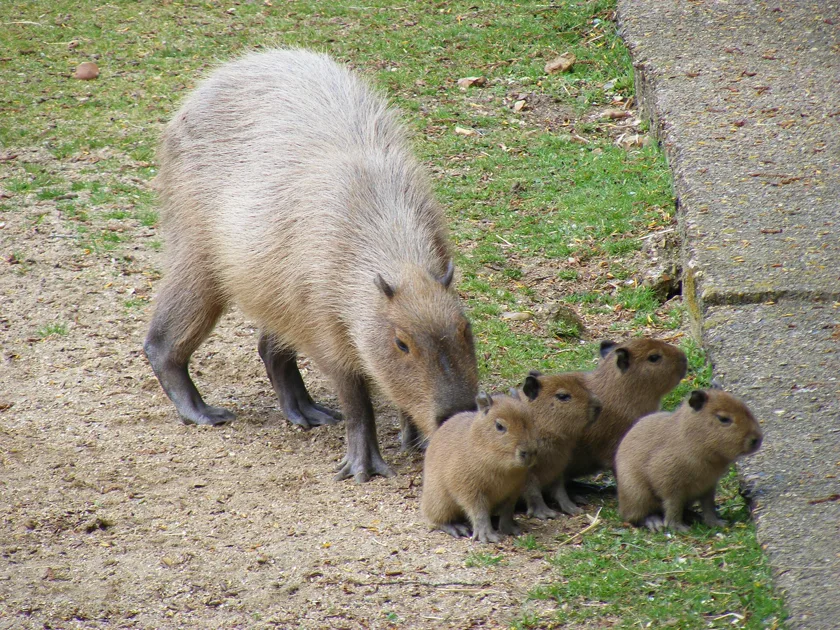
Hundreds of people turned out in the rain for Saigon Zoo's month-old capybaras
VTV reported that three capybara pups named Anh, Yeu, and Em, whose names together mean 'I love you,' met visitors at nearly one month old.
Verified · VTV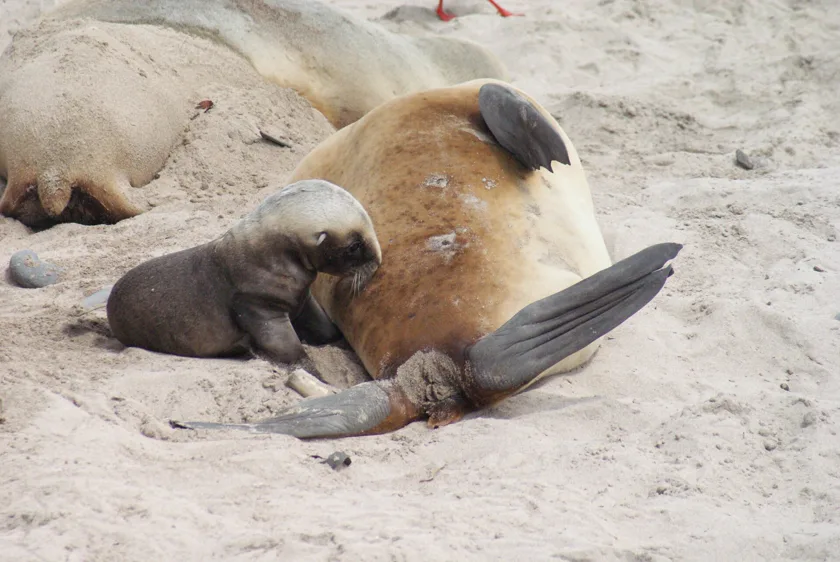 Animals
A Dunedin plant nursery has become a maternity ward for sea lions
RNZ reported that pregnant New Zealand sea lions are climbing the fences at a Smaills Beach nursery, and that one named Tektite gave birth behind a volunteer shelter.
Verified · RNZ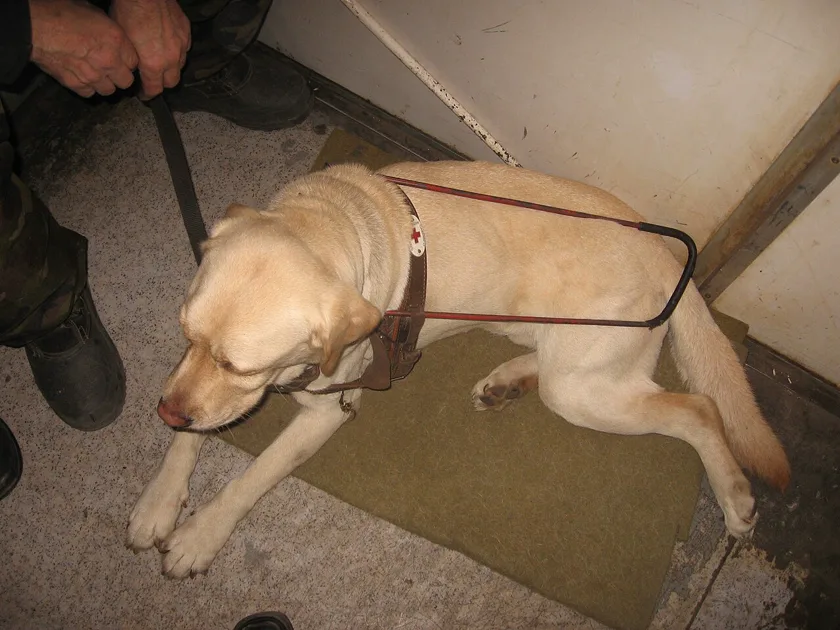 Animals
A Lower Earley couple is raising Heath, and Berkshire wants 25 more puppy homes
BBC News reported that Guide Dogs has 17 puppies being raised in Berkshire, including a two-month-old named Heath, and is looking for 25 more volunteer homes.
Verified · BBC News