Surveyors mapped 349 beaver territories across the Tay and the Forth
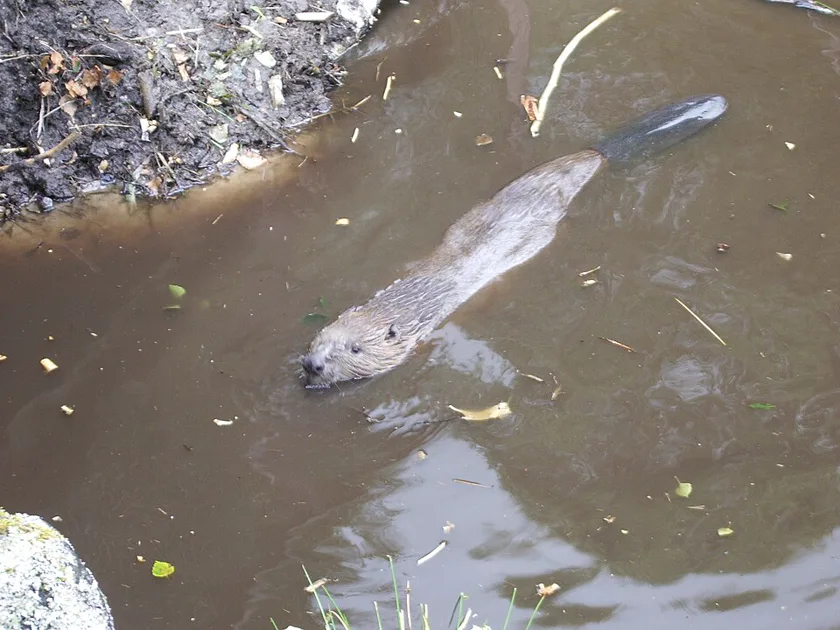
NatureScot reported that Scotland's largest beaver survey found 349 confirmed territories and 56 possible ones, up from 39 territories in 2012. It did not publish a headcount of beavers.

Read the original
The reporting lives at NatureScot. Our summary is checked against it, and we link it on every story.
NatureScot reported on November 16, 2026, that Scotland's largest beaver survey, done with Beaver Trust and the University of Exeter, found 349 confirmed territories and 56 possible ones across the Tay and Forth catchments, up to 405 in all. Earlier surveys recorded 39 territories in 2012, 114 in 2017-2018, and 251 in 2020-2021. Fieldwork in 2024-2026 covered 2,397 kilometres of rivers, burns, lochs, and ditches. Surveyors on foot and by canoe logged 20,853 signs, including burrows, dams, lodges, and feeding on trees and crops. Family size varies, so the survey is not a headcount of beavers.
Beavers are now established in Forth and Fife, along the Firth of Tay, and in the South Esk and Clyde catchments. In the longer-occupied Tay and Forth areas, gaps between territories are filling in. Half of the activity was in waterside woodland and 28 percent on farmland, a shift from 2020-2021, when farmland led. Roisin Campbell-Palmer of Beaver Trust said growth is slower than in earlier surveys as the core fills up and barriers limit some new ground. NatureScot mammal adviser Roo Campbell said more dams, relative to the population, may mean beavers are using smaller burns, and that a mitigation scheme remains open where beavers cause problems. The news is the territory map. It is not a population total, and it is not a claim that every landowner is untroubled.
For the classroom
NatureScot reported on November 16, 2026, that beavers are spreading in eastern Scotland. A survey of the Tay and Forth found 349 confirmed territories and 56 possible ones. In 2012 there were 39 territories. Surveyors covered 2,397 kilometres of water and recorded 20,853 signs, such as dams and chewed trees. The survey did not count every beaver, because families can be different sizes. More activity is now in woods beside the water than on farms. Beavers can still cause problems for people who use the land, and help for those problems will continue. The news is the map of territories.
- Why would counting beaver homes be different from counting every beaver?
- Scotland is in the north of the island of Britain. What is one way a beaver dam changes a stream?
For a teacher to read with a class. Print the story of the day · Morning announcements · All classroom stories · This week's Good News Friday pack
Perth, United KingdomWildlife conservationRiversGood news on November 16
More good news
Other stories in the same neighborhood of kindness.
 Animals
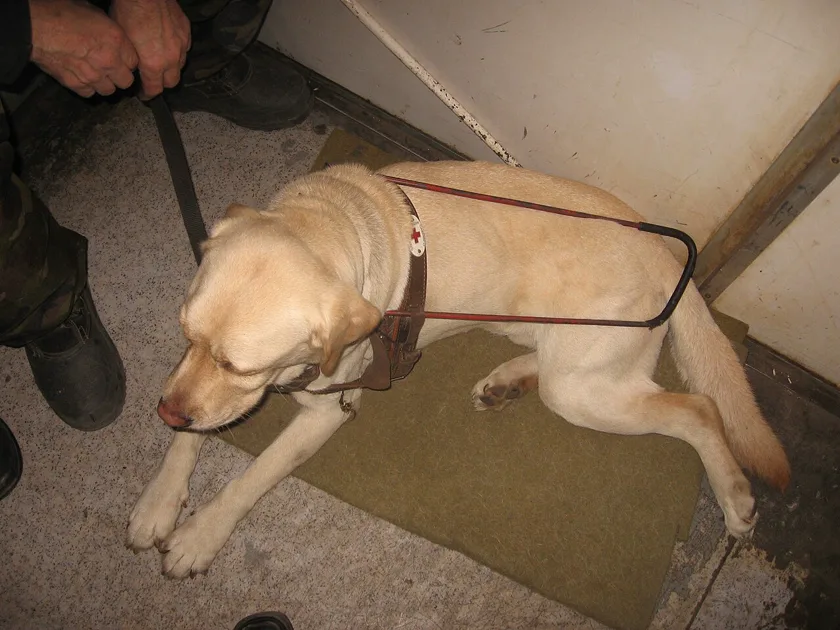
A Lower Earley couple is raising Heath, and Berkshire wants 25 more puppy homes
BBC News reported that Guide Dogs has 17 puppies being raised in Berkshire, including a two-month-old named Heath, and is looking for 25 more volunteer homes.
Verified · BBC News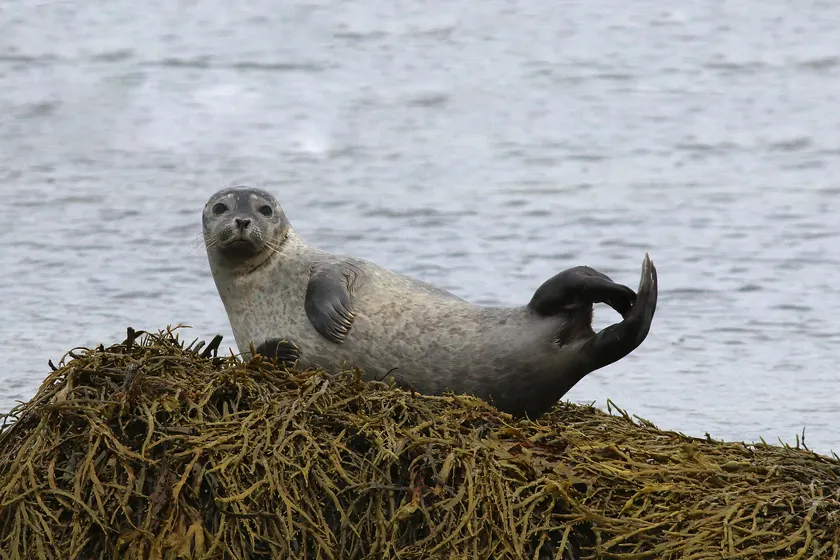 Animals
Jarvis the seal is back in the pool with his friends after eye surgery
Staff at the Cornish Seal Sanctuary in Gweek say cataract surgery on Jarvis's right eye has cleared enough that he can see better, and he has settled in with Bo and Buddy.
Verified · BBC News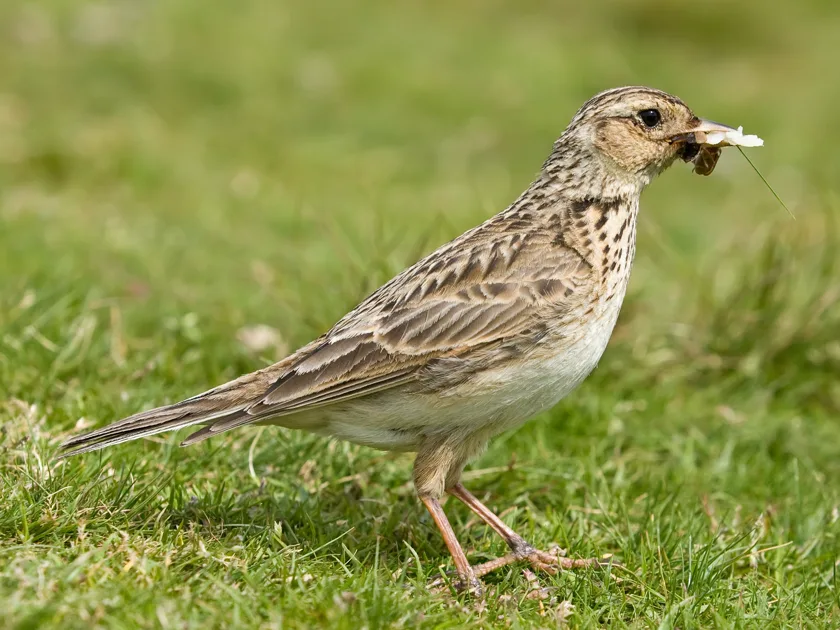 Animals
Donors secure 215 acres of long-unfarmed grassland near Hawthorpe
BBC News reported that £400,000 in public gifts, on top of a £1 million grant, let Lincolnshire Wildlife Trust agree to buy grassland that has not been actively farmed for more than 40 years.
Verified · BBC News