Artificial mangrove roots helped mud settle on a Thai shore
A first-year study in Samut Prakan found sediment building up behind the structures at 10 of 11 trial sites, while open shore nearby kept eroding.

Read the original
The reporting lives at Mongabay. Our summary is checked against it, and we link it on every story.
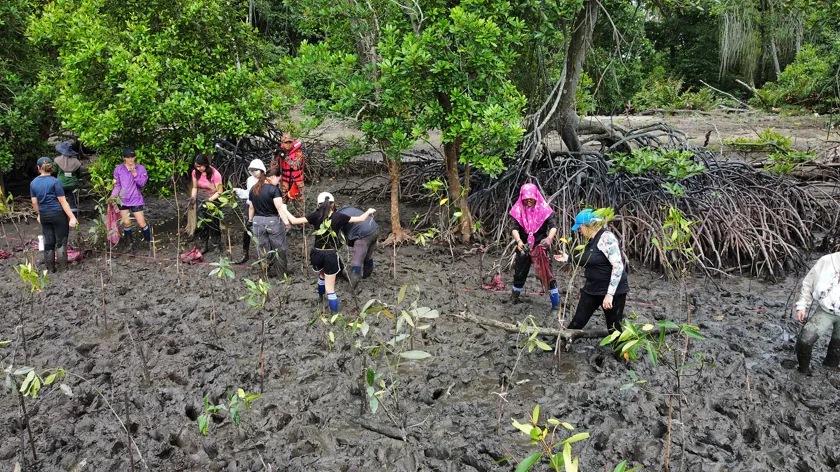
Along one of Thailand's fastest-eroding shores, a set of artificial mangrove roots has started to hold mud in place. Mongabay reported on October 15, 2026, on a study of the first year of a trial in Phra Samut Chedi and elsewhere in Samut Prakan, where the Chao Phraya meets the Gulf of Thailand.
Researchers measured sediment building up behind the units at 10 of 11 sites, from 16 to 88 centimeters, depending on the spot. One site showed no clear change. Satellite views of untreated shoreline nearby still showed losses of more than 10 meters in places. The units, a wood-plastic trunk with rubber root-like arms, are meant to slow waves enough for suspended mud to drop. Senior author Butsawan Bidorn, of Chulalongkorn University, said the method cannot make land if the water is not already carrying sediment.
An engineer who was not on the team, Sompratana Ritphring of Kasetsart University, called the structures an enabling step at best. She said they need inspection and, in time, removal, so the coast is not left depending on plastic in the tide. At one site, farmers rebuilt mud dikes. At another, a landowner started planting mangroves again on a shore that had lost 21.5 hectares over two decades. The paper is early evidence from one delta, not a universal seawall.
For the classroom
Mongabay reported on October 15, 2026, about a shore in Thailand where the sea has been taking land. People in Phra Samut Chedi tried structures shaped a bit like mangrove roots. A study of the first year found mud piling up behind them at 10 of 11 places, sometimes 16 to 88 centimeters deep. Nearby shore without the structures kept washing away. Scientists said the idea needs mud already in the water, and it should be a temporary help until real mangrove trees can grow. It is not a fix for every beach.
- How can roots, even artificial ones, help mud stay on a shore?
- Why did the scientists say this should not stay forever?
- Where is the Gulf of Thailand, and why do mangrove trees matter there?
For a teacher to read with a class. Print the story of the day · All classroom stories
More good news
Other stories in the same neighborhood of kindness.
 Animals
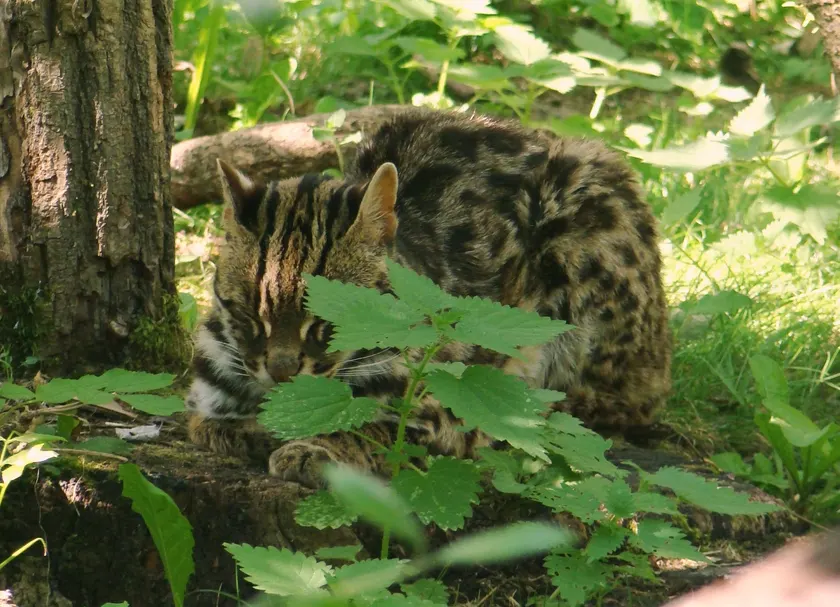
Nine leopard cats left a Khon Kaen rescue center for the forest
The cats, eight or nine months old, had practiced hunting before the third release of 2026. Staff can match their markings on camera traps, but they cannot yet say how many survive.
Verified · Mongabay Science
Iowa engineering students built a custom game controller
Biomedical engineering students at the University of Iowa built Dylan Huntbach a Nintendo Switch controller with oversized buttons and joysticks he can use after a spinal cord injury.
Verified · University of Iowa College of Engineering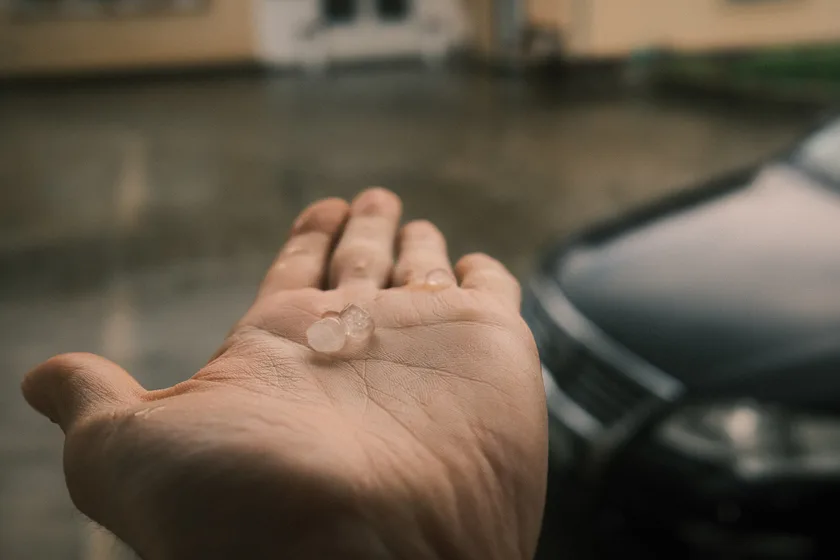 Science
Colorado State uses AI to warn of hail hours earlier
NSF-backed researchers at Colorado State, working with NVIDIA, built models that look for hail sooner: about two to three hours with Hail-StormScope, and one to eight days with CSU-MLP.
Verified · Colorado State University