Point Lay's walrus haulout and 47,000 acres are protected from development
The Conservation Fund bought an easement from Cully Corporation that bars development on the barrier islands where thousands of Pacific walrus rest, and local subsistence access stays.

Read the original
The reporting lives at KOTZ. Our summary is checked against it, and we link it on every story.
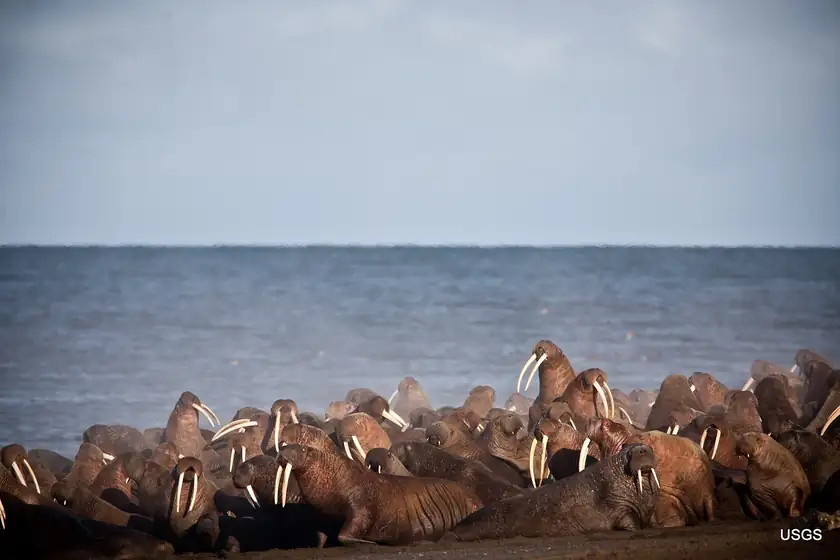
The Conservation Fund bought a conservation easement from Cully Corporation covering 47,000 acres at Point Lay. The land includes the barrier islands where thousands of Pacific walrus come ashore to rest. The easement bars development on that haulout. Local subsistence access stays. The deal is written to last, so the shore the walrus already use is not opened to building, and the people who have used those islands for food are not shut out of them.
For the classroom
KOTZ reported that the Conservation Fund bought a conservation easement from Cully Corporation on 47,000 acres at Point Lay, Alaska. The land includes barrier islands where thousands of Pacific walrus come ashore to rest. The easement bars development there and keeps local subsistence access. A haulout is the shore where walrus leave the water and rest together. An easement is a legal promise about how land can be used. This one is meant to last, so the resting place stays undeveloped and local use continues.
- Why does a walrus need a shore to rest, instead of staying in the water?
- What does it mean to protect land and still let local people use it for food?
- How is a promise written into the land different from a sign that could come down?
For a teacher to read with a class. Print the story of the day · Morning announcements · All classroom stories · This week's Good News Friday pack
Animals in AlaskaPoint Lay, AlaskaWildlife conservationNeighborsGood news on November 23
More good news
Other stories in the same neighborhood of kindness.
 Animals
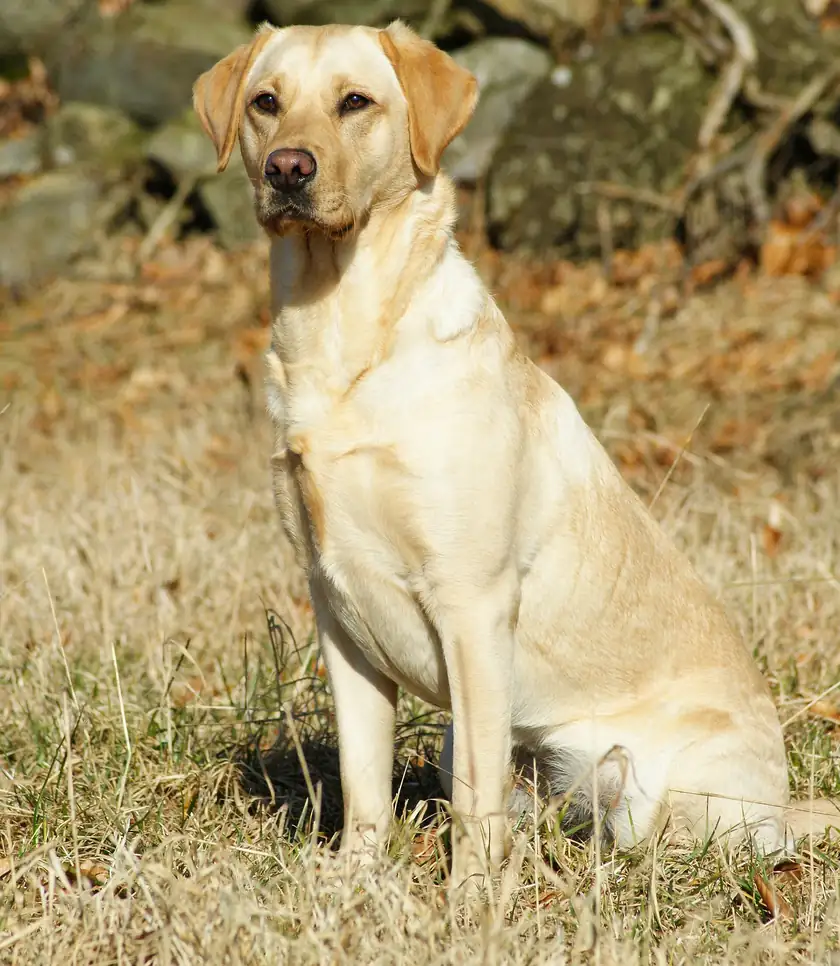
Bella Rose came home after 70 days lost near Soldotna
A Soldotna man's dog, missing since August, walked into a custom trap at the landfill after help from landfill staff, KPAL volunteers, and the borough mayor.
Verified · Alaska's News Source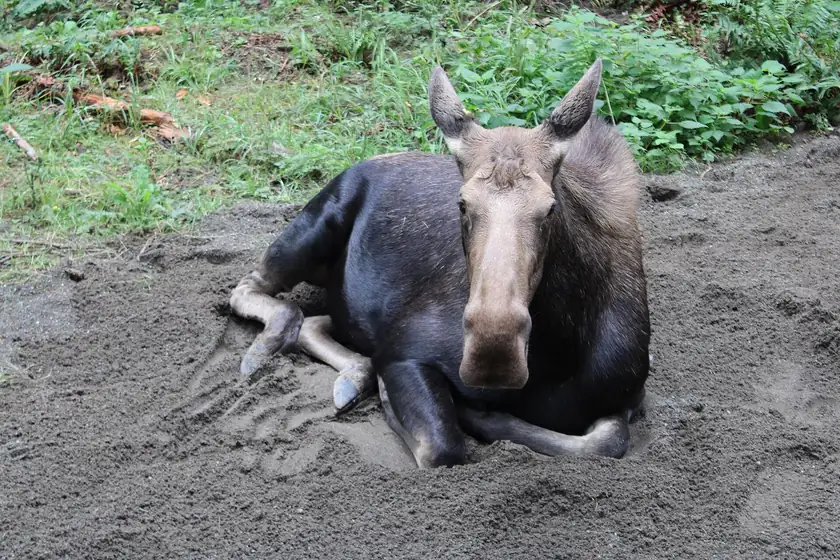 Animals
Two rescued moose calves are headed to Cheyenne Mountain Zoo
Two orphaned moose calves, about 7 months old, raised by The Alaska Zoo's rescue program are traveling to Cheyenne Mountain Zoo, where keepers prepared a yard for them in Rocky Mountain Wild.
Verified · KRDO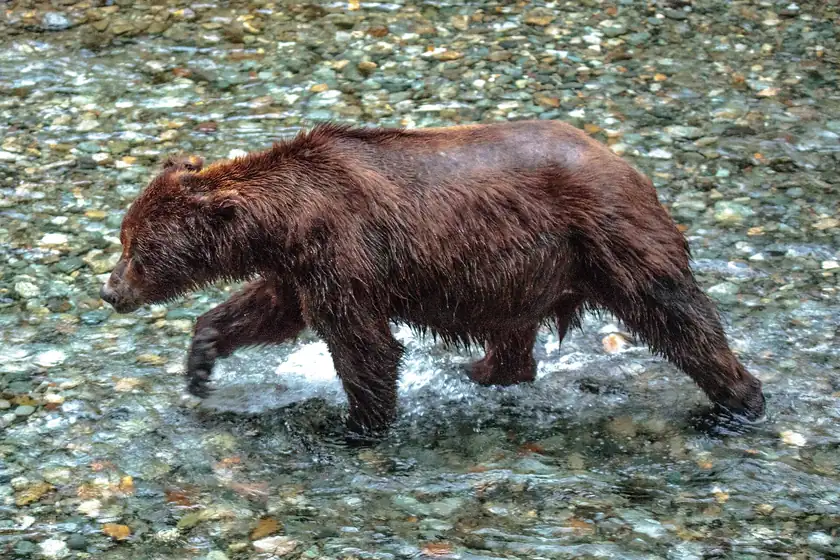 Animals
Brown bear Gemini wins the Tongass Helicopter Mom award
Gemini, a brown bear at Anan Creek in the Tongass National Forest, received the forest's Helicopter Mom award.
Verified · Popular Science