Lheidli T'enneh marked a salmon feast, and a Prince George hatchery added sockeye
CBC News reported that a hatchery already funded to raise chinook near Prince George received another $10.7 million for Fraser sockeye. The first of those eggs are not expected until 2028.

Read the original
The reporting lives at CBC News. Our summary is checked against it, and we link it on every story.
The Lheidli T'enneh have a salmon feast behind them and more hatchery money in front of them, and the two are not the same kind of news. CBC News reported that the nation, working with the federal government on a hatchery near the meeting of the Fraser and Nechako rivers in Prince George, has another $10.7 million to raise Fraser sockeye on top of a project announced in August. That earlier sum, $38 million, was for raising 400,000 juvenile chinook a year. Chief Dolleen Logan, in a video released with the new funding, called it work for the youth.
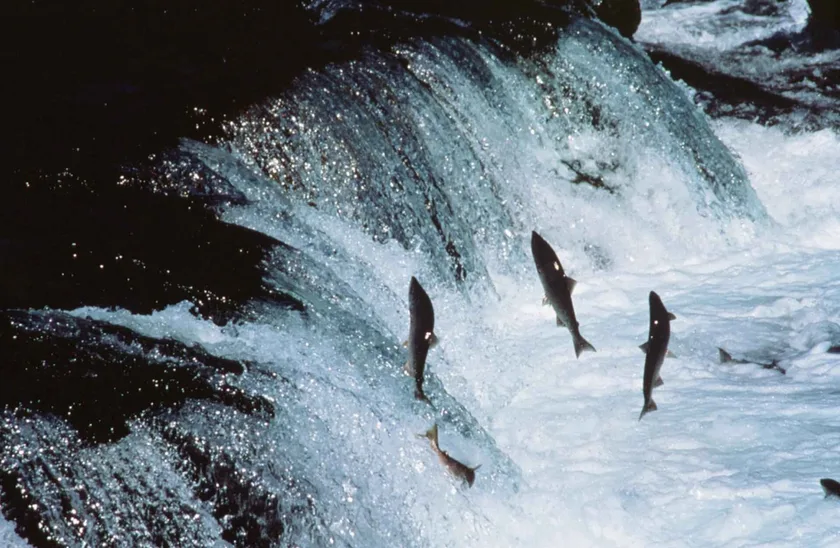
The nation said the timing follows fifteen years of returns so low that people could not fish. In 2025 the runs were strong enough to fish again, and in 2026 the community held its first salmon feast. The hatchery is federally owned. Its opening is expected in 2028. The first sockeye eggs are expected in late summer or early fall of that year. If fish go out in the fall of 2028, a four-year life cycle would bring the first adults back around 2032. Fisheries Minister Joanne Thompson said the sockeye capacity is meant to help rebuild vulnerable Fraser populations with the nation. The feast is something that has happened. The sockeye eggs have not.
For the classroom
CBC News reported that the Lheidli T'enneh First Nation in Prince George, British Columbia, held its first salmon feast after years when the fish were too few to catch. In 2025 enough salmon came back, and in 2026 the community shared a meal. A hatchery being built where the Fraser and Nechako rivers meet also got more money so it can raise sockeye salmon as well as chinook. The building is planned to open in 2028. The first sockeye eggs are expected that year, not now. If those young fish are released in the fall of 2028, the first adults could return around 2032.
- Why would a community wait to fish when the number of salmon is very low?
- What is the difference between a feast that already happened and a hatchery that is still being built?
For a teacher to read with a class. Print the story of the day · Morning announcements · All classroom stories · This week's Good News Friday pack
Prince George, CanadaIndigenous communitiesRiversWildlife conservationGood news on November 25
More good news
Other stories in the same neighborhood of kindness.
 Community
Two Winnipeg yards now lend toy cars the way a corner lends books
CBC News reported that two neighbors who have never met built little free libraries of toy cars, one in Transcona and one in St. James, so children can take a car or leave one.
Verified · CBC News Community
Anonymous gifts topped $65,000 for a Labrador animal shelter
CBC News reported that the Happy Valley-Goose Bay SPCA received a $30,000 gift and another of $10,000, and used part of the money to clear a vet bill of about $15,000.
Verified · CBC News Community
A New Westminster café put a conversation on the menu
CBC News reported that Amrin Satani's You N Me' café lets customers order a drink and time with another person, with no fee and no tip attached to the talk.
Verified · CBC News