Volunteers counted more than 43,000 birds around Puducherry
Fifty-four people, including students, finished the fourth seasonal round of the Puducherry Bird Atlas with 158 confirmed species across wetlands that cross district lines.

Read the original
The reporting lives at The Hindu. Our summary is checked against it, and we link it on every story.
A September survey around Puducherry logged 158 bird species and 43,346 individual birds. The Hindu reported on October 14, 2026, that the fourth round of the Puducherry Bird Atlas brought together 54 people, among them experienced birdwatchers, school and college students, and community volunteers. They covered 68 grids and filed 300 checklists on eBird.
Svarnim, a unit of the Sri Aurobindo Society, organized the count across the Puducherry-Villupuram-Auroville-Cuddalore region. Earlier rounds ran in December 2025, March 2026, and June 2026. The June round had recorded 124 species. Coordinator Ankush Nirmalkar said the grid is repeated each season because wetlands such as Oussudu and Bahour do not stop at a district boundary.
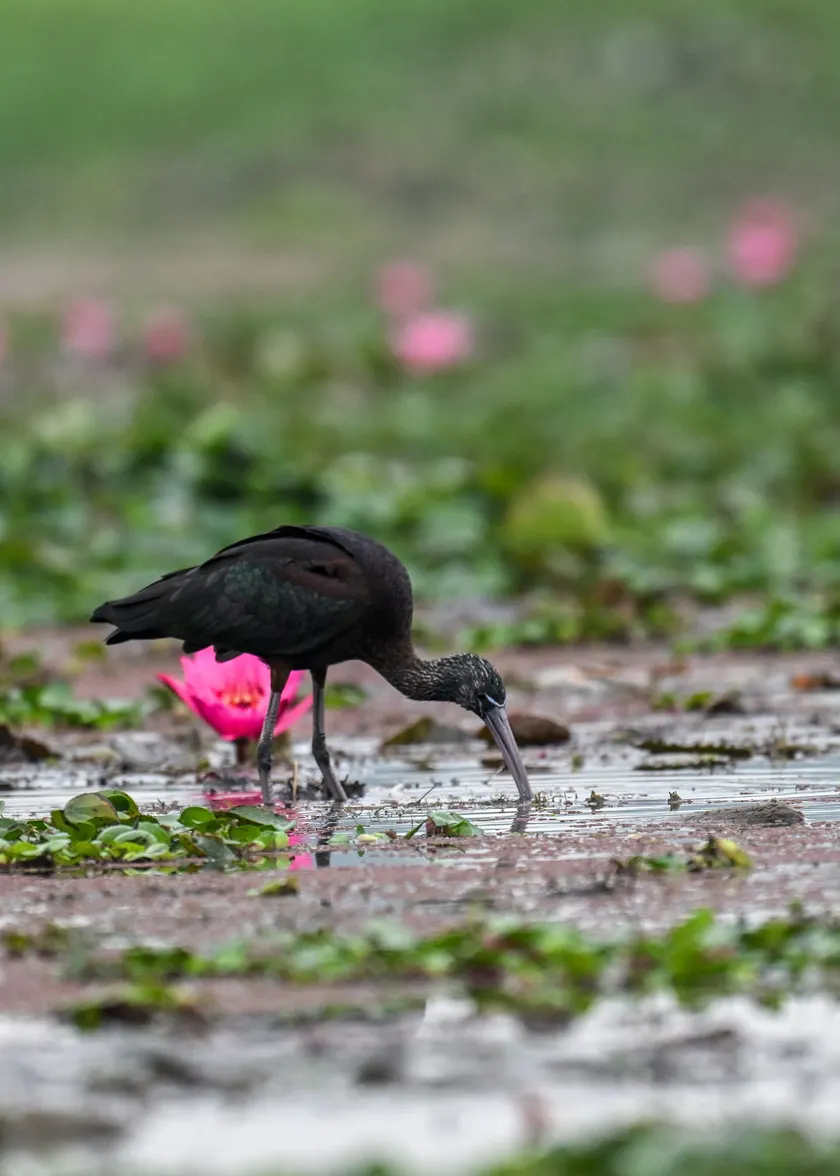
Of the 43,346 birds, 43,130 were assigned to a confirmed species and 216 were left in a broader group. Notable records included two European rollers, a lesser frigatebird, red-necked phalaropes, great knots, and Temminck's stints, along with a long list of ducks, rails, shorebirds, and raptors. T.P. Raghunath of Svarnim said the four seasons will be combined into a first-year report, with recommendations for the wetlands and the people who depend on them, and that the same protocol is meant to be repeated so later years have a baseline.
For the classroom
The Hindu reported on October 14, 2026, that volunteers around Puducherry, India, finished a bird count. Fifty-four people, including students, visited the same set of places used in earlier seasons and wrote down what they saw. They recorded 158 kinds of birds and more than 43,000 birds in all. Wetlands held many of them, including ducks, herons, and shorebirds. Two European rollers, birds that pass through India on the way between Europe and Africa, were a surprise. The count is a baseline. It tells people which lakes and coasts the birds are using so those places can be looked after.
- Why is it useful to count birds in the same places in different seasons?
- What is a wetland, and why would ducks and shorebirds need one?
- How could your class keep a simple list of birds you see near school?
For a teacher to read with a class. Print the story of the day · All classroom stories
More good news
Other stories in the same neighborhood of kindness.
 Animals
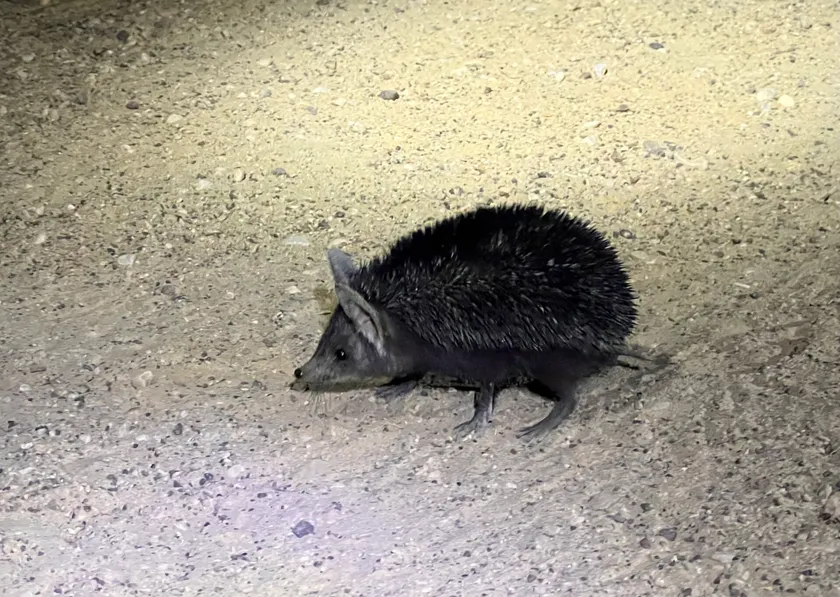
Tenkasi is asking students to watch out for the Madras hedgehog too
A school program that started with golden jackals is expanding to the Madras hedgehog after villagers reported sightings.
Verified · The Hindu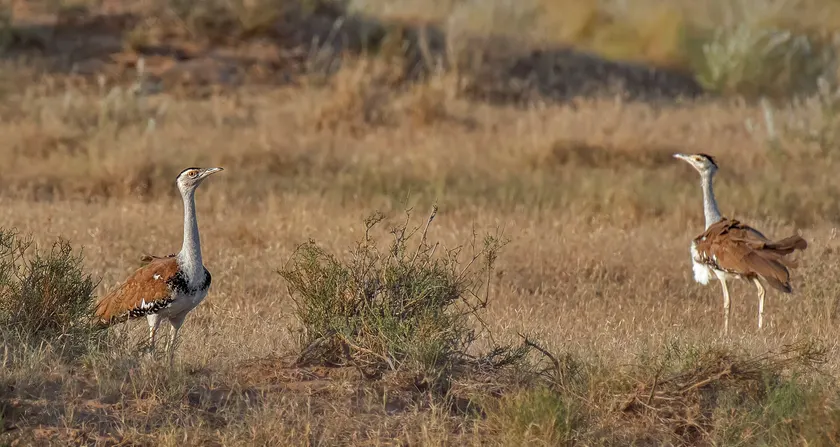 Animals
Two captive-bred great Indian bustards walked into the desert
On October 4, wildlife officials and scientists released two young males at Sam in Desert National Park. They are the first captive-bred birds the recovery program has put back into the wild.
Verified · The Times of India Community
About 300 students started classes at Liverpool's new Bengaluru campus
The University of Liverpool inaugurated its Whitefield campus on October 15. About 20,000 people applied, and 300 were admitted on English and Class 12 marks.
Verified · The Hindu