Shark nannies in Raja Ampat have sent nearly 100 young leopard sharks to sea
The BBC reported that a nursery in Raja Ampat is raising Indo-Pacific leopard sharks from eggs sent by aquariums, and that the number released into protected water is approaching 100.

Read the original
The reporting lives at BBC. Our summary is checked against it, and we link it on every story.
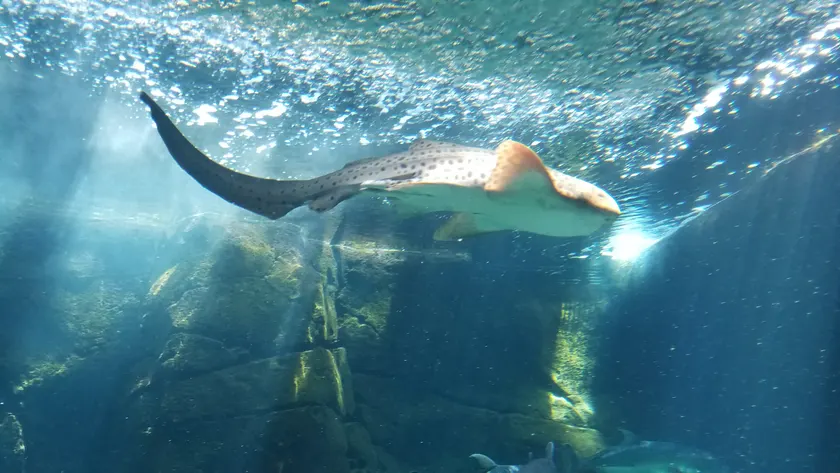
The BBC reported on November 18, 2026, that a nursery in Raja Ampat is raising Indo-Pacific leopard sharks for release, and that the number returned to protected water is approaching 100. The project, ReShark, collects fertilised eggs from public aquariums, flies them to eastern Indonesia, and hands them to local carers the report calls shark nannies. The sharks, Stegostoma tigrinum, are spotted, bottom-dwelling animals that eat small fish, crabs, and snails.
A BBC crew filmed one youngster, Ethan, moving from a tank into a fenced sea pen, and another, Christina, released after she measured just over a metre. Conservation International surveys between 2001 and 2021 logged only three leopard sharks in more than 15,000 hours on these reefs, which is why habitat protection alone is not treated as enough. The BBC described the releases as the first attempt to rebuild a wild shark population from animals bred in captivity. The goal is a group that survives and breeds. That has not happened yet. The checked news is the nursery, Christina's release, and a running total near 100.
For the classroom
The BBC reported on November 18, 2026, that a nursery in Raja Ampat, Indonesia, is raising baby leopard sharks and letting them go in protected water. Eggs come from aquariums in other countries. Local carers watch the eggs hatch and feed the babies. One young shark moved into a fenced sea pen. Another, Christina, had grown just past a metre and was released. The number set free is getting close to 100. Surveys from 2001 to 2021 recorded only three of these sharks in more than 15,000 hours on the reefs. The releases are a start. The sharks still have to grow up and have young of their own.
- Why would a shark need a pen in the sea before it is let all the way out?
- Raja Ampat is in eastern Indonesia. What is one thing a baby shark has to learn before it can live on a reef?
For a teacher to read with a class. Print the story of the day · Morning announcements · All classroom stories · This week's Good News Friday pack
Raja Ampat, IndonesiaWildlife conservationZoosGood news on November 18
More good news
Other stories in the same neighborhood of kindness.
 Animals
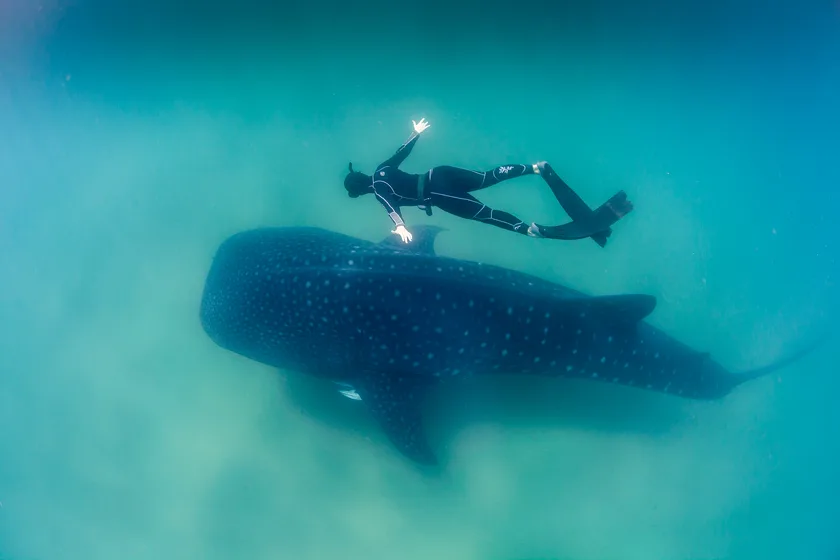
Saleh Bay's whale shark waters grew, and fishers logged tiny sharks
Mongabay reported that West Nusa Tenggara has designated 73,165 hectares of Saleh Bay for whale sharks, while fishers' notes of very small sharks are still too early to call the bay a nursery.
Verified · Mongabay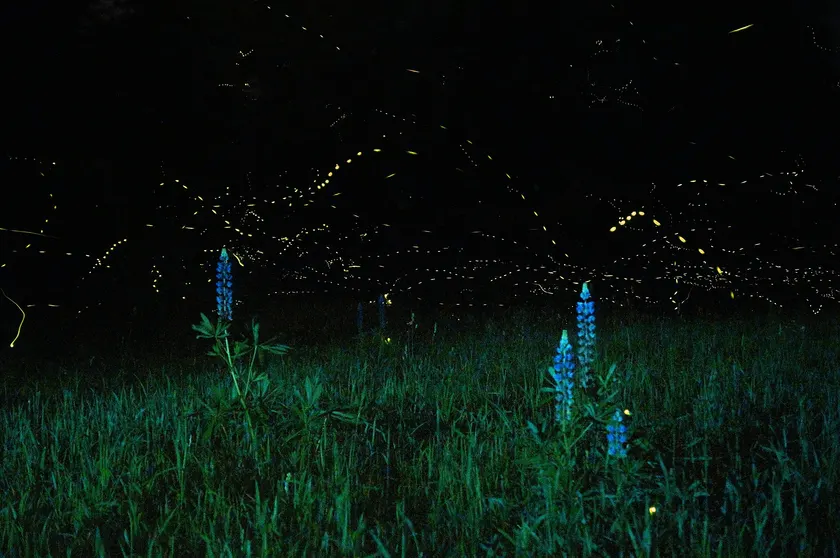 Animals
A Bali farm has released nearly 20,000 fireflies
Mongabay reported that Bring Back the Light, on a family farm in Taro, breeds native fireflies and has helped four neighboring farmers drop chemical pesticides.
Verified · Mongabay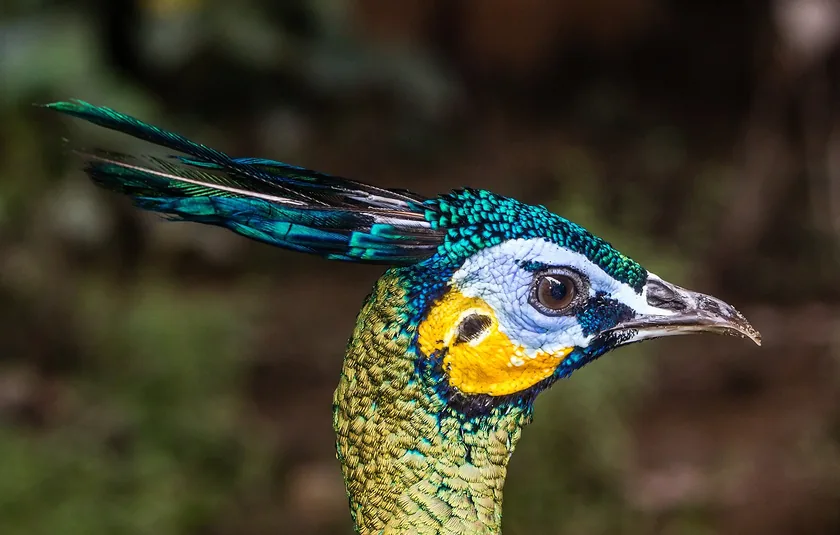 Animals
Seven green peafowl were released on Handeuleum Island
Two males and five females left a conservation center for Ujung Kulon on November 5, after three days getting used to the island. Keepers saw them eat ants and call.
Verified · Good News From Indonesia