Women in Ramni are growing the herbs their meadows were losing
Mongabay reported that high-altitude farmers in Uttarakhand now raise kutki and other medicinal plants on old wasteland, instead of digging them out of alpine meadows.
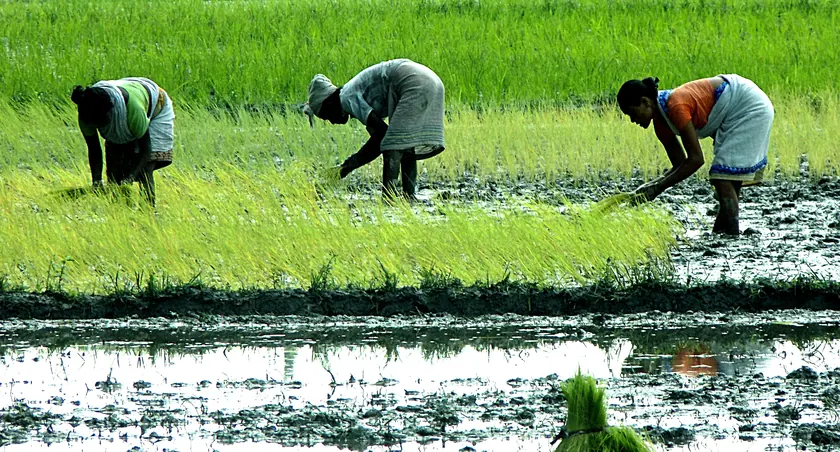

Read the original
The reporting lives at Mongabay. Our summary is checked against it, and we link it on every story.
Women in the high village of Ramni are raising medicinal herbs that neighbors used to dig out of the alpine meadows. Mongabay reported on November 26, 2026, that farmer Guddi Devi and others now sell saplings of kutki and related plants instead of climbing as far as 100 kilometres to collect them in the wild. She said the meadows were being emptied because everyone was harvesting.
Scientist Chandra P. Kuniyal, of the Herbal Research and Development Institute, told Mongabay that villages around 2,500 to 3,000 metres are suitable places to grow these high-altitude plants. K.S. Kanwal, of the G.B. Pant National Institute of Himalayan Environment, said women do most of the farm work because many men leave for jobs, and that the women notice disease in a crop quickly. The nonprofit Udyogini supplies seedlings. Guddi said a one-naali plot, about 200 square metres, comes with 2,000 free saplings, and that the plots are registered. The fields sit about half a kilometre uphill, on ground that had been wasteland. Shivam Pandey of Udyogini said the work had brought more than 172 acres, about 70 hectares, under conservation through 2022, and that rare plants have also been put back into six degraded meadows.
Wild pigs and monkeys often ruin ordinary crops and leave the herbs alone, which is one reason families use the abandoned ground. Harvest runs from about August through November. Mongabay said 23 farmers from Ramni and nearby villages recently shipped 150,000 kutki cuttings, with another 200,000 ready to sell at one rupee each. Kutki takes about three years. Families rotate species so they are not digging the same root every year.
The paperwork is harder than the planting. A legal sale can require a certificate tied to land ownership, and the land is often in a man's name. Pandey said Udyogini pushes to put the certificate in the woman farmer's name, sometimes with an affidavit or a family register. Kuniyal said cultivation still meets barely 10 percent of demand, and that the rest comes from wild harvest or imports. Anita Devi, a farmer in Niyang, told Mongabay she has done the work for five or six years and will keep tending the plants even if a project ends, because she cannot abandon them. The news is a village growing what the meadows were losing. It is not a claim that the wild plants have recovered.
For the classroom
Mongabay reported on November 26, 2026, that women in Ramni, a high village in Uttarakhand, India, are growing medicinal plants that people used to dig up in alpine meadows. Farmer Guddi Devi said so many people harvested kutki that the plants were disappearing. A group called Udyogini gives farmers free seedlings sized to their plots. The women hike uphill to fields that used to be wasteland. Wild pigs and monkeys often leave these herbs alone. Recently, 23 farmers sent 150,000 kutki cuttings to another village. The plants take about three years to mature. Farm growing does not yet replace most of the wild harvest.
- Why would growing a rare plant on a farm help the wild places where it used to grow?
- What is a plant near your school that people should leave alone so it can keep growing?
For a teacher to read with a class. Print the story of the day · Morning announcements · All classroom stories · This week's Good News Friday pack
Ramni, IndiaFarmingWildlife conservationGood news on November 26
More good news
Other stories in the same neighborhood of kindness.
 Community
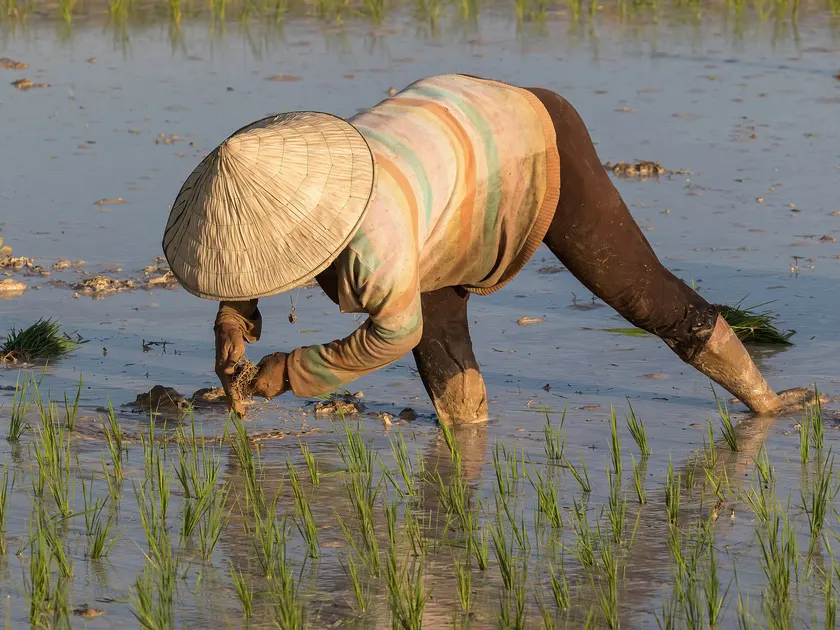
Agriculture students in Perambalur grew a rice that softens in warm water
The Hindu reported that students at an agriculture college raised traditional Samba paddy on 50 acres, including two acres of Komal Saul, a variety from Assam that is soaked rather than boiled.
Verified · The Hindu Community
Student volunteers turned a locked Bengaluru classroom into a library
Citizen Matters reported that teenagers in Shape the Future collected more than 2,000 books, without buying any, and opened them in a government school in Mullur Colony that now has 47 students.
Verified · Citizen Matters Community
More than 50 children opened National Library Week in Tiruchi
The Hindu reported that the District Central Library marked the 69th National Library Week with a book show, a coin exhibit, and drawing and fancy-dress contests.
Verified · The Hindu