A chemo-free regimen improved event-free survival in Ph-positive leukemia
In a 236-patient phase III trial, ponatinib plus blinatumomab led to 86 percent event-free survival at two years, versus 67 percent with imatinib plus chemotherapy. Follow-up is still relatively short.

Read the original
The reporting lives at The ASCO Post. Our summary is checked against it, and we link it on every story.
A chemotherapy-free combination improved event-free survival for adults with newly diagnosed Philadelphia chromosome-positive acute lymphoblastic leukemia, The ASCO Post reported on November 6, 2026, from a New England Journal of Medicine paper. In the phase III GIMEMA ALL2820 trial, 236 adults were randomly assigned, 158 to ponatinib plus blinatumomab and 78 to imatinib plus chemotherapy. At a median follow-up of 23.7 months, estimated event-free survival at two years was 86 percent with the chemotherapy-free regimen and 67 percent with imatinib plus chemotherapy.
Severe side effects of grade 3 or higher occurred in 34 percent of patients on ponatinib plus blinatumomab and 47 percent on imatinib plus chemotherapy. Overall survival at two years was closer: 90 percent and 85 percent. The corresponding author is Robin Foà of Sapienza University in Rome. The investigators wrote that the trial showed the chemotherapy-free approach was superior as initial treatment, and they noted that follow-up is still relatively short and that the open-label design could introduce bias. Event-free survival counts failure to reach a deep molecular response, toxic effects, resistance, and death. It is not a statement that every patient is cured, and it does not extend past the follow-up the paper reports.
Rome, ItalyMedical researchPublic healthGood news on November 6
More good news
Other stories in the same neighborhood of kindness.
 Community
Italy's school-book drive opens with 4,135 shops and a first presidential patronage
From November 7 to 15, anyone can buy a book at a participating shop and give it to a school or, for the first time nationwide, a nursery. Publishers have also set aside 100,000 volumes for three regions. This year's public gifts are still being collected.
Verified · Il Sole 24 Ore Science
A child's charm necklace was still in a Pompeii wardrobe
Archaeologists opened a wooden cabinet sealed since the eruption in AD 79 and found a perfume bottle, 38 coins, and a necklace of more than 20 charms made for a child.
Verified · The Guardian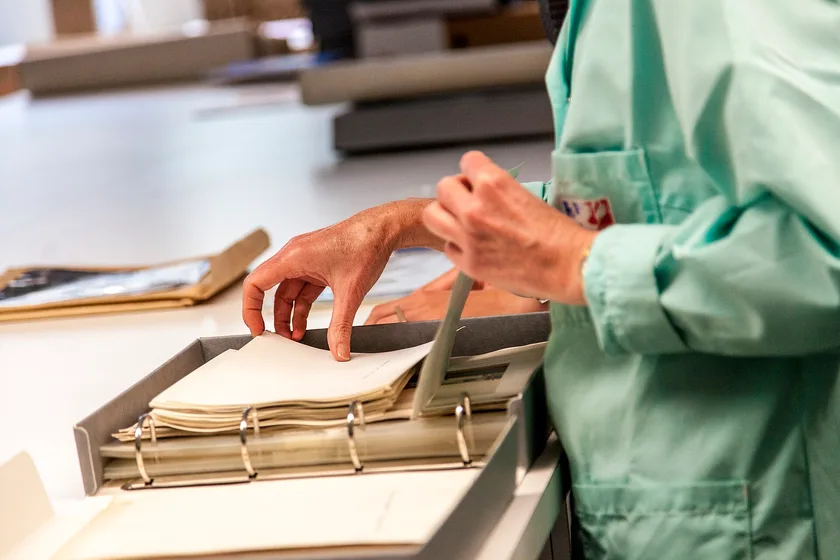 Community
Venice is putting 110,000 restoration records online
UNESCO and the Fondazione Giorgio Cini are digitizing documents and about 6,000 photographs from decades of work to repair the city. Students and four young fellows are training on the archive.
Verified · UNESCO