A cave on Flores held a giant megapode named for an Indonesian scientist
Mongabay reported that a foot bone from Liang Bua is the first fossil megapode named from Indonesia, and the first named for an Indonesian scientist.

Read the original
The reporting lives at Mongabay. Our summary is checked against it, and we link it on every story.
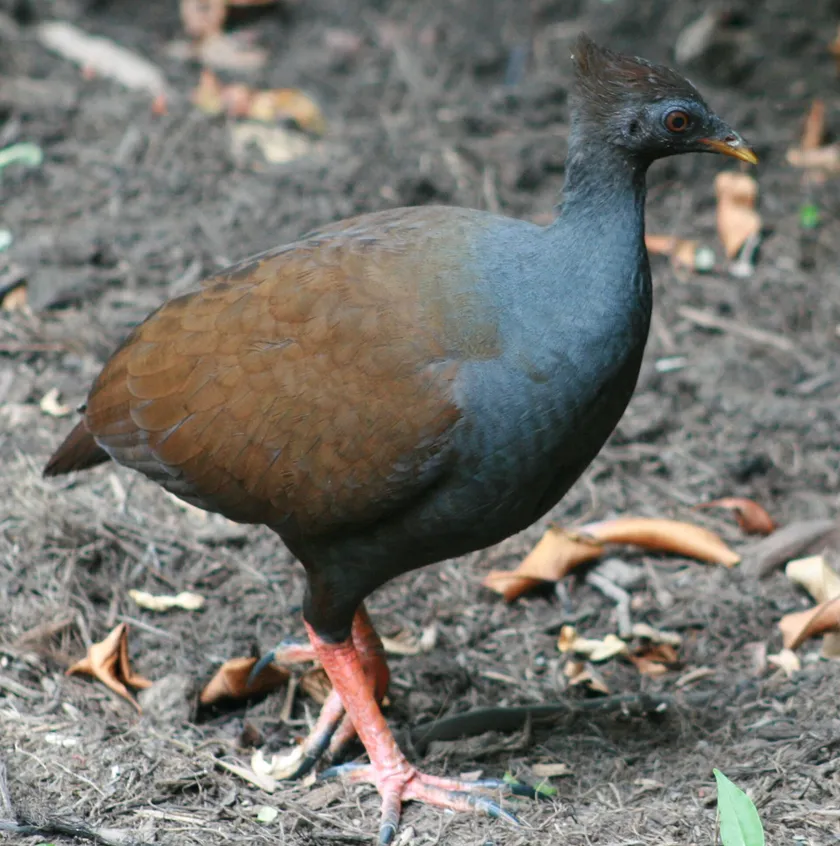
Mongabay reported on November 16, 2026, that researchers have named an extinct bird from a single foot bone excavated at Liang Bua cave on Flores. Hanneke Meijer, a paleontologist at the University Museum of Bergen, told Mongabay it is the first fossil megapode from Indonesia. The species, Megapodius rokusi, is estimated at about 3.9 kilograms, which the paper treats as the heaviest member of that genus described so far. The only megapode still on Flores, the orange-footed scrubfowl, weighs about 0.5 to 1.2 kilograms. The bone came from cave layers dated between about 190,000 and 120,000 years ago.
The name honors the late Indonesian zooarchaeologist Rokus Due Awe, who analyzed animal fossils at Liang Bua and was the first researcher to identify the remains later called Homo floresiensis. Meijer said it is the first megapode species named for an Indonesian scientist, and the first fossil megapode described from Wallacea, the islands between Southeast Asia and Australia. She also said one foot bone leaves open whether the bird could fly, when it vanished, and whether it overlapped with the scrubfowl alive today. The news is that bone and that name. It is not a full skeleton.
For the classroom
Mongabay reported on November 16, 2026, that scientists named an extinct bird from one foot bone found in Liang Bua cave on Flores, in Indonesia. They called it Megapodius rokusi. It was a kind of megapode, a chicken-like bird that warms its eggs with heat from the ground instead of sitting on them. This one may have weighed about 3.9 kilograms, much heavier than the scrubfowl that live on Flores now. The name honors Rokus Due Awe, an Indonesian scientist who studied bones from the same cave. One bone cannot say whether the bird could fly or when it disappeared.
- Why does a single foot bone still count as a discovery?
- How is a megapode's nest different from a songbird's nest?
For a teacher to read with a class. Print the story of the day · Morning announcements · All classroom stories · This week's Good News Friday pack
More good news
Other stories in the same neighborhood of kindness.
 Animals
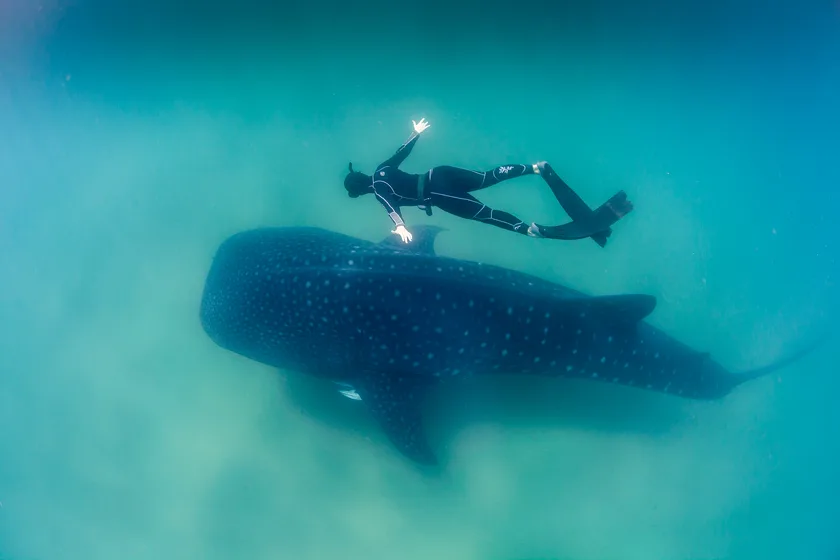
Saleh Bay's whale shark waters grew, and fishers logged tiny sharks
Mongabay reported that West Nusa Tenggara has designated 73,165 hectares of Saleh Bay for whale sharks, while fishers' notes of very small sharks are still too early to call the bay a nursery.
Verified · Mongabay Community
Balikpapan named 12 scholars beside a mangrove planting that is already tall
Republika reported that a Kalimantan scholarship programme welcomed its third class of 12, next to a count of 2.52 million mangrove seedlings planted through 2025.
Verified · Republika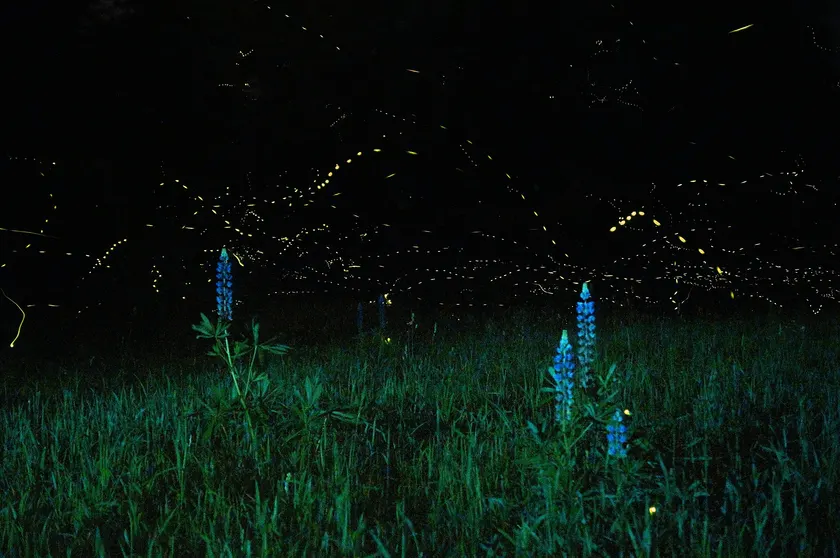 Animals
A Bali farm has released nearly 20,000 fireflies
Mongabay reported that Bring Back the Light, on a family farm in Taro, breeds native fireflies and has helped four neighboring farmers drop chemical pesticides.
Verified · Mongabay