Eighty-three olive ridley hatchlings reached Tayabas Bay at Sariaya
The Inquirer reported the first release of the nesting season, at 4:30 p.m. in Barangay Bignay 2. Volunteers have recovered 1,650 eggs along that coast since September 24.

Read the original
The reporting lives at Philippine Daily Inquirer. Our summary is checked against it, and we link it on every story.
The Philippine Daily Inquirer reported on November 13, 2026, that as many as 83 olive ridley hatchlings were released into Tayabas Bay off Sariaya, Quezon, on Wednesday. It was the first batch of the nesting season. They entered the water at 4:30 p.m. on the shore of Barangay Bignay 2, watched by fishermen and their families, barangay officials, and visitors. Edwin Frias, a deputized fish warden, told the Inquirer that another 100 hatchlings are scheduled for release on November 27. On November 12 his group recovered 224 freshly laid eggs on that coastline. Since September 24 they have recovered 1,650 eggs along the Sariaya coast.
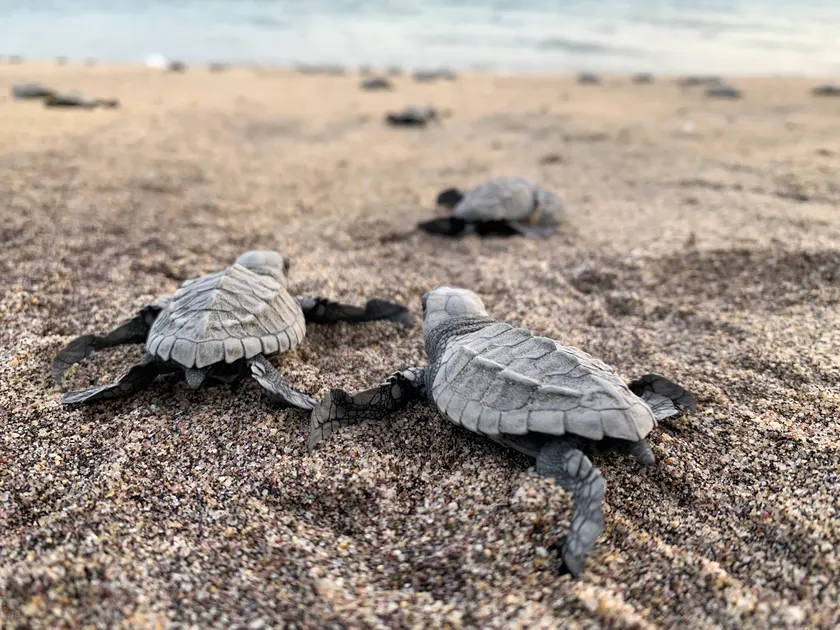
Fishermen, volunteers, civic groups, and government agencies guard nests in Barangays Bignay 2 and Guisguis until the hatchlings are ready. Hawksbills and green turtles also nest on Tayabas Bay, mostly from October to December, and the eggs usually hatch in 45 to 60 days. Frias's count is the eggs in hand and this release. Father Warren Puno, of the Diocese of Lucena's ecology ministry, welcomed the release and also warned that coastal building, stationary fish traps, blast fishing, and the egg trade still kill turtles or take the beaches they need. The Inquirer's own photo of a hatchling was taken in January 2024, not at this release. The figure that is new is the 83 hatchlings and the 1,650 eggs under watch.
For the classroom
The Inquirer reported on November 13, 2026, that 83 olive ridley hatchlings reached Tayabas Bay at Sariaya. It was the first release of the season. They entered the water at 4:30 p.m. at Barangay Bignay 2, with families watching. Fish warden Edwin Frias said 100 more are planned for November 27. His group found 224 new eggs on November 12 and has gathered 1,650 since September 24. Eggs usually hatch in 45 to 60 days. Hawksbill and green turtles nest here too. This is one batch. Building and fishing gear can still harm the beaches.
- Why do volunteers move the eggs instead of leaving every nest where it was laid?
- What is one thing a town can do so turtles still have a beach to come back to?
For a teacher to read with a class. Print the story of the day · Morning announcements · All classroom stories · This week's Good News Friday pack
Sariaya, PhilippinesSea turtlesWildlife conservationVolunteersGood news on November 13
More good news
Other stories in the same neighborhood of kindness.
 Animals
A neighbor's dawn call saved Bacnotan's first sea-turtle nest of the year
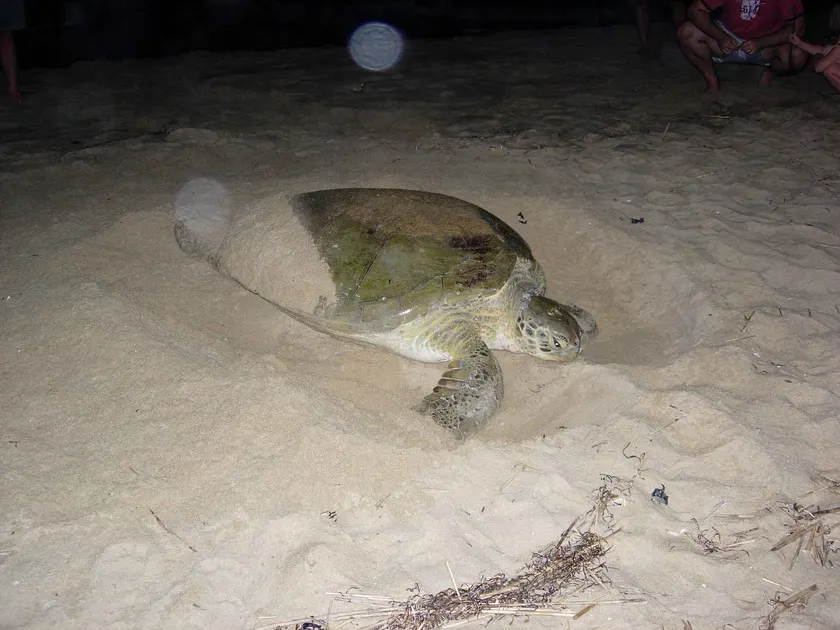
The Inquirer reported that Arsenio Adev Jr. saw fresh tracks on November 14, and that 112 eggs are now in a hatchery until about January 14.
Verified · Philippine Daily Inquirer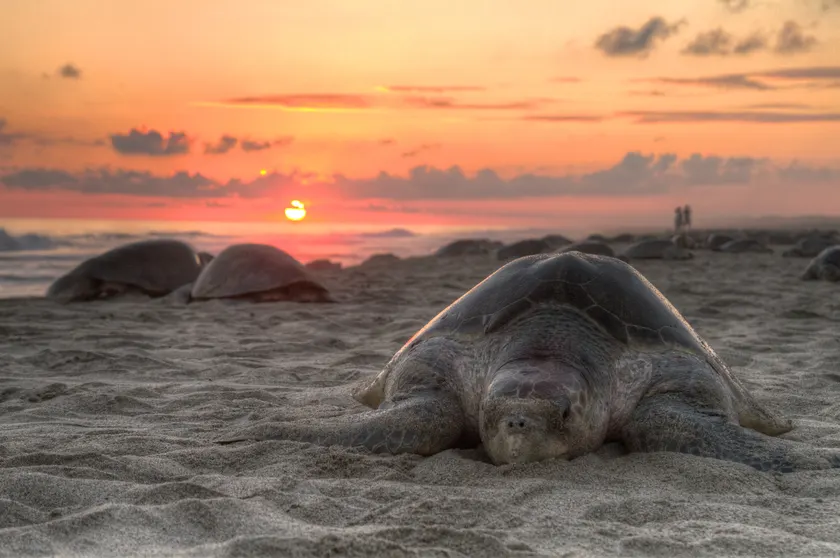 Animals
Naic sent 53 olive ridley hatchlings into the sea, the first of this nest
The Manila Times reported that the hatchlings left Barangay Labac on November 8, a day after they hatched. Seventy-seven eggs from the same September nest are still waiting.
Verified · The Manila Times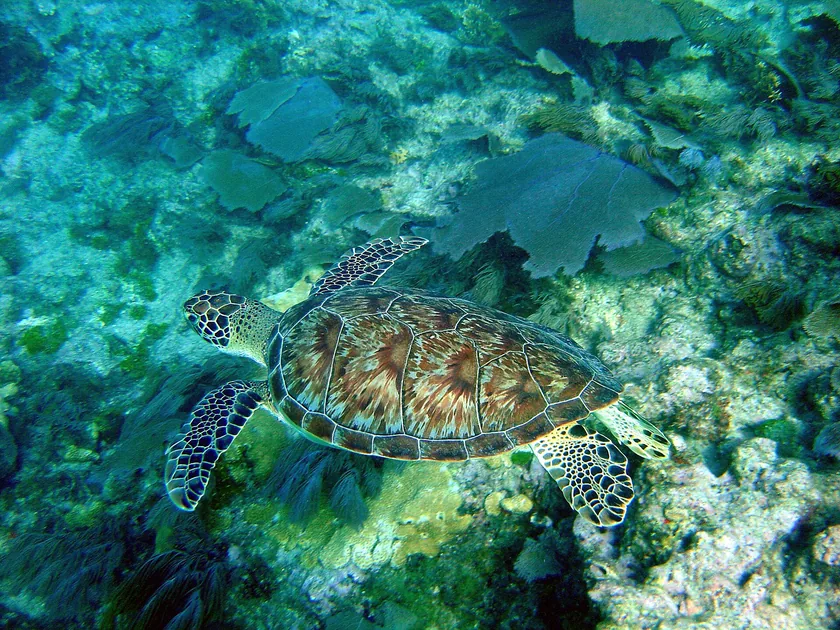 Animals
Danjugan Island released 120 hawksbill hatchlings, with more than 2,000 this year
October brought three emergences on the island's Turtle Beach, of 103, 150, and 124 hatchlings. Staff have counted 21 nesters so far, and not every nest is found.
Verified · BusinessMirror