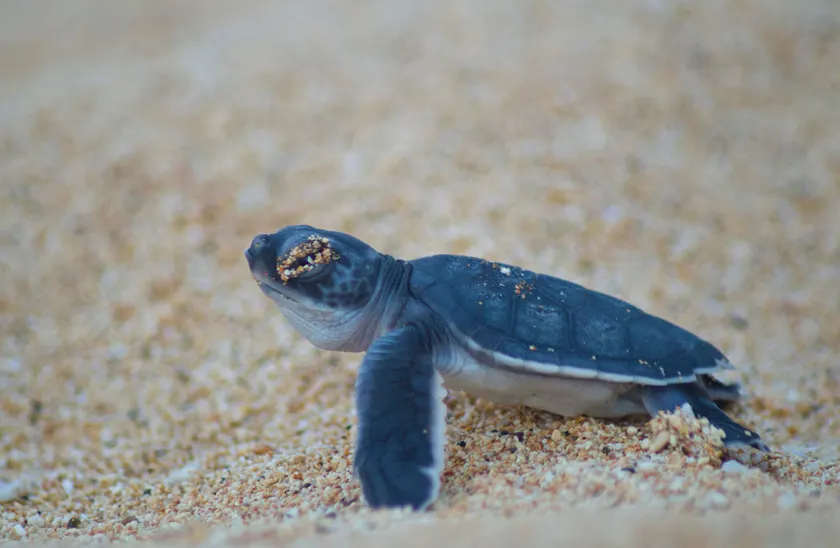
Sabah's Turtle Islands now record more than 20,000 green turtle nests a year
The Star reported that nesting at the Turtle Islands has tripled since the 1970s. On Omadal, a women's group still moves eggs into a hatchery it pays for itself.

Read the original
The reporting lives at The Star. Our summary is checked against it, and we link it on every story.
The Star reported on November 14, 2026, that green turtle nesting at Sabah's Turtle Islands has tripled since the 1970s, to more than 20,000 nests a year. Sabah Parks director Maklarin Lakim tied that count to more than five decades of work. The islands have been protected since 1977, and Sabah banned turtle meat and egg consumption in 1997. Globally, the International Union for Conservation of Nature moved green turtles from endangered to least concern last year. Professor Juanita Joseph of Universiti Malaysia Sabah said she cried when she heard it.
The recovery is not even. The same report says the other sea turtle species are still vulnerable or critically endangered, apart from the flatback, whose status is unclear, and that some regional green turtle populations are still endangered. On Omadal, Sitti Rasah Abdul, 50, and a women's cooperative of about 20 people have moved eggs to a hatchery since 2012. They began with WWF and now put 10 percent of their handicraft and catering income into the work. At Mataking Reef Resort, owner Sophia Sie said collected eggs rose from about 600 in 2006 to about 36,000. About one hatchling in 1,000 survives to maturity, around age 20. WWF-Malaysia's Gavin Jolis said the results of today's work will take decades, and that a DNA library called Shellbank is being used to trace where turtles come from. The nesting number is the measured gain. Least concern is not a claim that every beach is safe.
For the classroom
The Star reported on November 14, 2026, that green sea turtles moved from endangered to least concern on a global list. In Sabah, Malaysia, nesting at the Turtle Islands has tripled since the 1970s, to more than 20,000 nests a year. The islands have been protected since 1977. On Omadal, Sitti Rasah Abdul and about 20 women move eggs into a hatchery they now pay for themselves, using part of their handicraft income. At Mataking, collected eggs rose from about 600 in 2006 to about 36,000. About one hatchling in 1,000 lives long enough to nest. Some green turtle groups are still in trouble.
- Why would moving eggs into a hatchery help, and what could it not fix?
- What is one way the women on Omadal pay for the turtle work?
For a teacher to read with a class. Print the story of the day · Morning announcements · All classroom stories · This week's Good News Friday pack
Semporna, MalaysiaSea turtlesWildlife conservationVolunteersGood news on November 14
More good news
Other stories in the same neighborhood of kindness.
 Animals
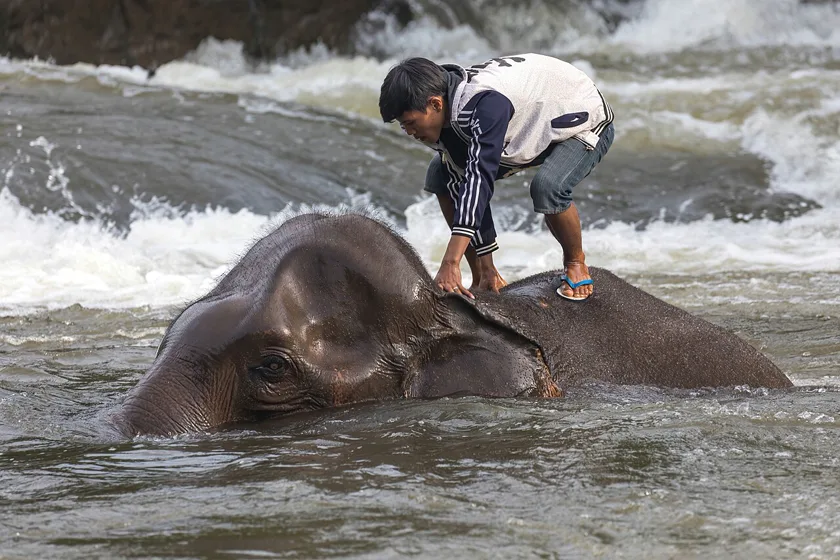
Two older elephants walked a young bull two kilometres out of a Perak village
The Star reported that Sanom and Abot led a healthy 10-year-old bull, Yob Tonggang, from an Orang Asli village near Ipoh toward a move to Terengganu National Park.
Verified · The Star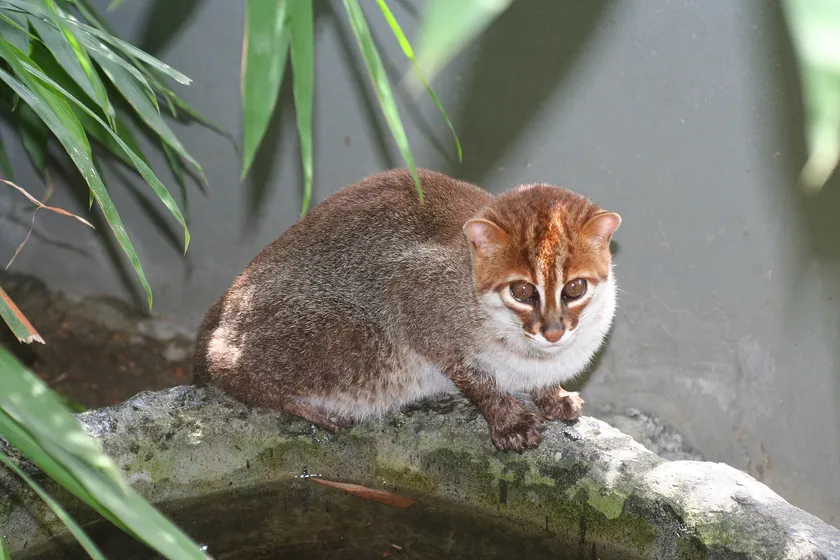 Animals
Cameras in a Lundu mangrove found a rare cat, and a kitten
Mongabay reported that a three-year camera survey in a proposed mangrove reserve recorded the endangered flat-headed cat dozens of times, including a female with a kitten.
Verified · Mongabay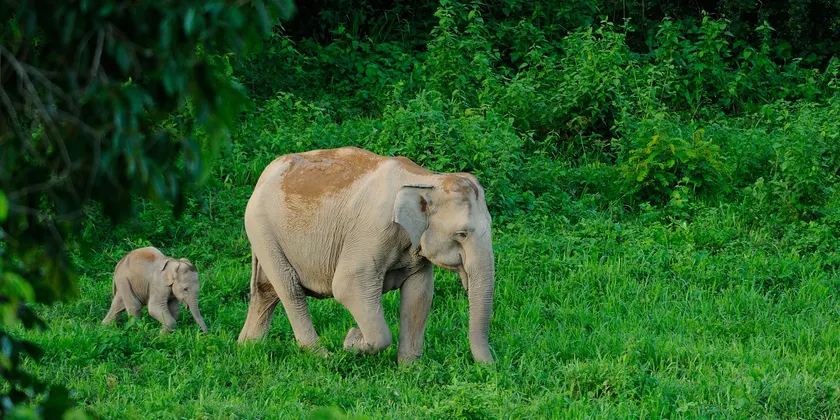 Animals
Johor Zoo has its first elephant calf in nearly a century
The Star reported that a female calf was born October 24 to Takau and Raja after about 22 months. It is the first elephant birth at Malaysia's oldest zoo.
Verified · The Star