The FDA approved an earlier combination for some metastatic prostate cancers
On October 26 the FDA approved talazoparib plus enzalutamide for men with newly diagnosed metastatic prostate cancer that has HRR gene mutations, after a 599-patient trial cut the risk of radiographic progression or death by 52%.

Read the original
The reporting lives at Healio. Our summary is checked against it, and we link it on every story.
On October 26, 2026, the Food and Drug Administration approved talazoparib, sold as Talzenna, together with enzalutamide for adults with metastatic prostate cancer that is still sensitive to hormone treatment and that carries a homologous recombination repair gene mutation, Healio reported. A 2023 approval covered a later setting, after the cancer had stopped responding to that kind of treatment. The new decision lets eligible men start the combination sooner. The lead investigator, Neeraj Agarwal, is a medical oncologist at Dana-Farber Cancer Institute in Boston.
The evidence is the phase 3 TALAPRO-3 trial. It enrolled 599 men and assigned them at random to daily talazoparib plus enzalutamide or to a placebo plus enzalutamide. The combination lowered the risk of the cancer growing on scans, or of death, by 52% compared with enzalutamide alone. Median time to that radiographic worsening was not yet reached in the combination group and was 45.8 months in the comparison group. Overall survival numbers were not mature when regulators looked at the scans, so the approval does not rest on a finished survival comparison. Anemia was the most common severe side effect the manufacturer reported.
Health & Tech in MarylandSilver Spring, MarylandMedical researchPublic health
More good news
Other stories in the same neighborhood of kindness.
 Health & Tech
An early T-cell trial stalled tumors in patients whose cancers had resisted immunotherapy
In an NIH-led phase 1/2 trial published in Nature Medicine, invikafusp alfa stopped progression in 16 of 27 patients at the optimal dose and shrank tumors in four. These are early results, not a cure.
Verified · National Institutes of Health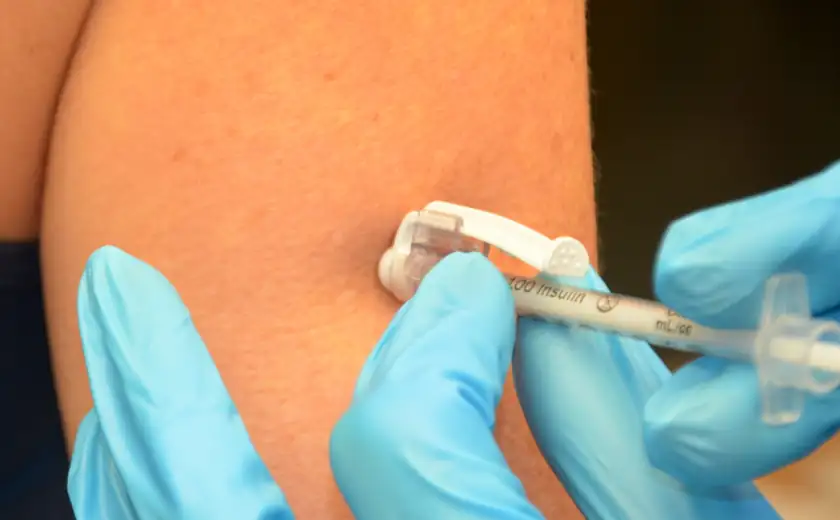 Health & Tech
The FDA approves the first once-weekly insulin for children with type 2 diabetes
Awiqli, insulin icodec, is now cleared for patients 10 and older with type 2 diabetes, along with diet and exercise. It replaces a daily basal shot with one a week.
Verified · U.S. Food and Drug Administration Health & Tech
Half-matched family donors led to 96 percent survival in a small aplastic anemia study
At Johns Hopkins, 22 of 23 children and young adults survived after a reduced-intensity transplant that can use a half-matched relative. The study was small, and longer follow-up is still needed.
Verified · Johns Hopkins Medicine