A Japanese night heron turned up in Singapore for the first time
The Straits Times reported that birders confirmed the endangered migrant on a Pasir Panjang street on November 10. It is also the first record for mainland Southeast Asia.

Read the original
The reporting lives at The Straits Times. Our summary is checked against it, and we link it on every story.
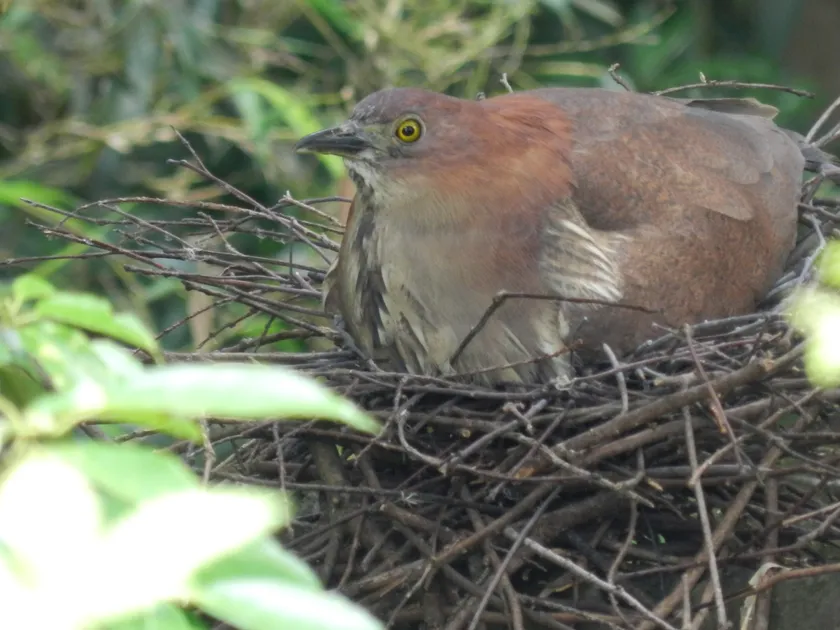
A Japanese night heron was confirmed in Singapore for the first time, and the sighting is also the first for mainland Southeast Asia. The Straits Times reported on November 11, 2026, that birder Richard Clayton photographed the bird on the morning of November 10 along Jalan Mat Jambol in Pasir Panjang. Yong Ding Li, regional head of flyways and species conservation at BirdLife International, saw the photo, went to the street, and found the bird around 9:35 a.m.
Watchers first thought it might be a Malayan night heron, a regular seasonal visitor. Yong said the plumage lacked the white streaks, barring, and dark crest he would expect on a Malayan night heron of a similar age. He checked with experts in Malaysia, Hong Kong, and Japan. The Japanese night heron is globally threatened, with a wild population estimated at only several thousand. It breeds mainly on Japan's main islands and on South Korea's Jeju Island, then flies thousands of kilometres to winter in the Philippines and Borneo. Yong said a recent typhoon in southern China could have blown this migrant off that path. The bird needs dense, damp forest. He said its stay may be short if it cannot find that cover. The news is one confirmed visit. It is not a new breeding colony.
For the classroom
The Straits Times reported that a Japanese night heron was seen in Singapore for the first time. Birder Richard Clayton photographed it on November 10, 2026, on a street in Pasir Panjang. People first thought it was a Malayan night heron. Expert Yong Ding Li and colleagues in Malaysia, Hong Kong, and Japan agreed it was a Japanese night heron. The species is endangered, and only several thousand may be left. It nests in Japan and on Jeju Island, then flies to the Philippines and Borneo for winter. A storm may have blown this migrant off course. It may not stay if it cannot find a quiet forest.
- How did people tell this heron apart from a bird that looks similar?
- Why might a long-distance migrant end up in a city it does not usually visit?
For a teacher to read with a class. Print the story of the day · Morning announcements · All classroom stories · This week's Good News Friday pack
Singapore, SingaporeBirdsWildlife conservationGood news on November 12
More good news
Other stories in the same neighborhood of kindness.
 Community
A Singapore mall library opened with nearly 10,000 children's books
The National Library Board's Plaza Singapura room runs daily until September 2027. Readers get in with a library card, an identity card, or a free day pass.
Verified · The Straits Times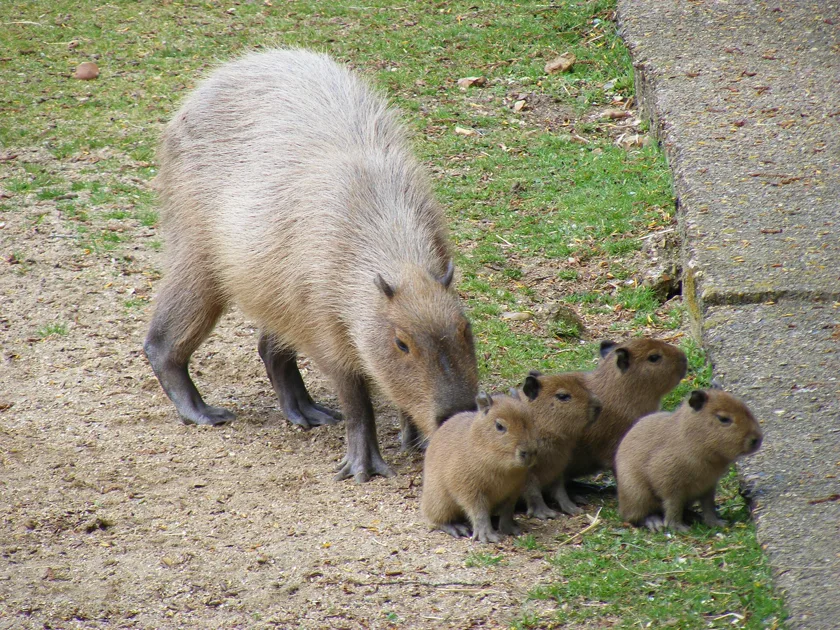 Animals
Hundreds of people turned out in the rain for Saigon Zoo's month-old capybaras
VTV reported that three capybara pups named Anh, Yeu, and Em, whose names together mean 'I love you,' met visitors at nearly one month old.
Verified · VTV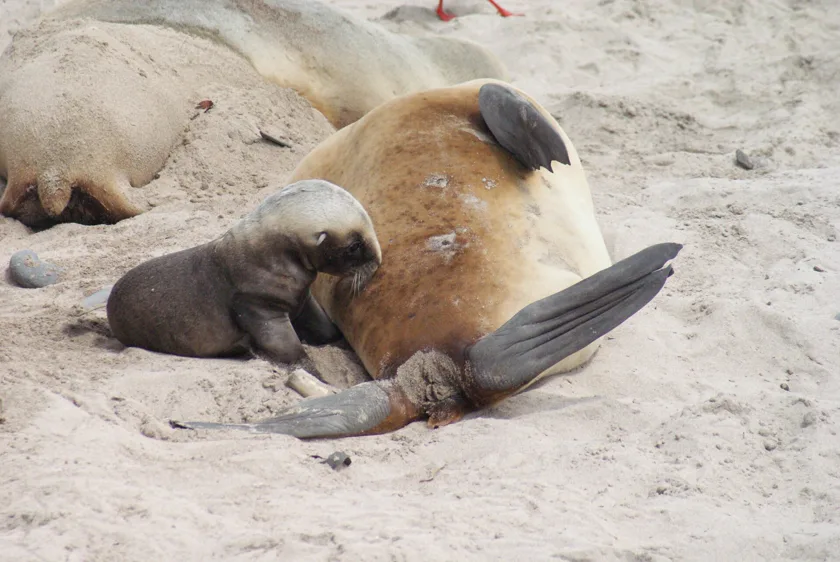 Animals
A Dunedin plant nursery has become a maternity ward for sea lions
RNZ reported that pregnant New Zealand sea lions are climbing the fences at a Smaills Beach nursery, and that one named Tektite gave birth behind a volunteer shelter.
Verified · RNZ