A Sirsi study found swamp forests stay cooler than the hills around them
Kuvempu University researchers compared hilltops, edges, forest interiors, and swamps in the central Western Ghats. Swamps held more trees and moisture. In some checks, sensors under the canopy read 3 to 10 degrees Celsius differently from satellite surface temperatures.

Read the original
The reporting lives at The Hindu. Our summary is checked against it, and we link it on every story.
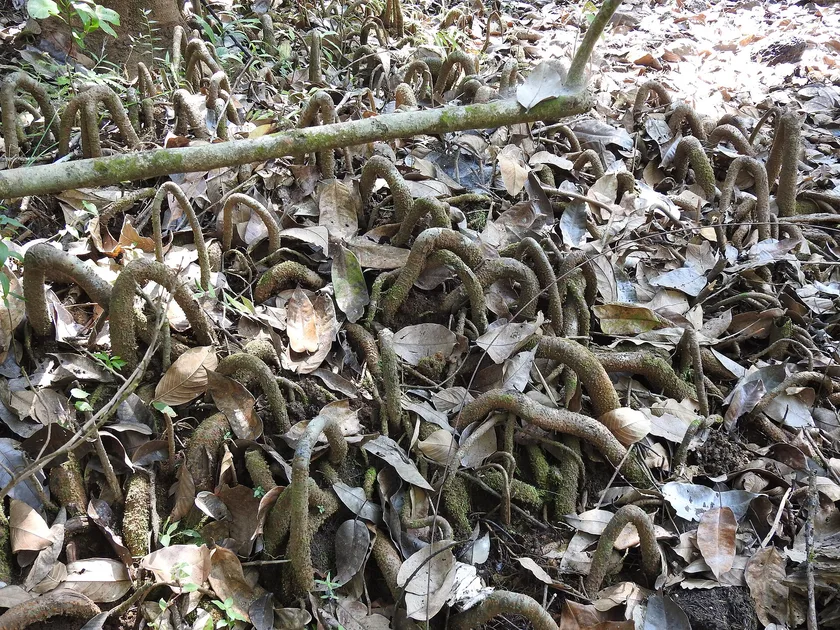
The Hindu reported on November 4, 2026, that researchers at Kuvempu University found freshwater swamp forests in the central Western Ghats stay cooler and moister than the land around them. The work, guided by K. Yogendra, is part of research by Balachandra Hegde, who is from Sirsi in Uttara Kannada. The team compared four habitats around Sirsi: hilltops, forest edges, forest interiors, and swamps. They measured temperature, soil moisture, forest structure, the mix of species, and how much water the trees held.
Forests and swamps had greater tree density and canopy cover than hilltops and edges. In some comparisons, satellite land-surface temperatures differed from sensors inside the forest by roughly 3 to 10 degrees Celsius. The paper notes that the gap depends on place, time, and method, so an animal under the leaves may not be living at the temperature a satellite records. Yogendra said average weather figures usually come from satellites, while conditions in the Ghats change over short distances.
The researchers called swamp forests a microclimatic refuge: places that can still suit some species as the wider landscape warms. They asked for priority protection of Myristica and Elaeocarpus swamps, and for a monitoring network that records air temperature, soil moisture, rainfall, and canopy traits. They also said success should not be counted only in saplings planted or hectares of tree cover. The news is what this comparison measured around Sirsi. It does not say those swamps have been given new legal protection.
For the classroom
The Hindu reported on a study by Kuvempu University near Sirsi, in India's Western Ghats. Researchers compared four kinds of places: hilltops, the edges of forests, the inside of forests, and swamps. The swamps and forests had more trees and more moisture than the hilltops and edges. In some checks, the temperature under the trees was different from what a satellite measured above, by about 3 to 10 degrees Celsius. The scientists said swamp forests can stay cooler and wetter, which gives plants and animals a refuge when the land around them warms. They asked for those swamps to be protected.
- Why might the air under a thick canopy feel different from a satellite reading of the same place?
- What is one reason a swamp forest could matter to animals when the weather gets hotter?
For a teacher to read with a class. Print the story of the day · Morning announcements · All classroom stories · This week's Good News Friday pack
Sirsi, IndiaWildlife conservationTreesGood news on November 4
More good news
Other stories in the same neighborhood of kindness.
 Community
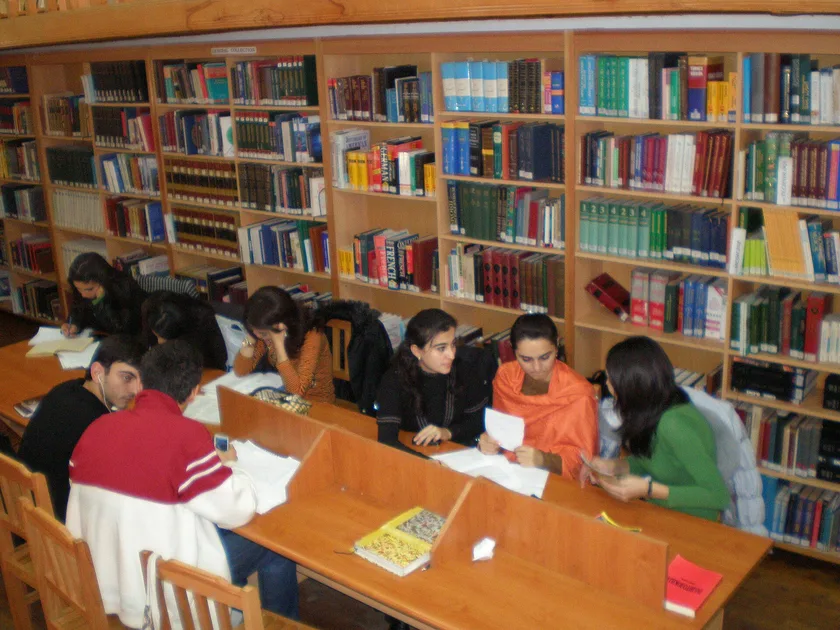
Shillong's State Central Library reopened after a renovation
The Shillong Times reported a Rs 2.23 crore upgrade with new reading rooms, a children's section, archives, and a study corner for exam students. As of March 2026 the library held more than 200,000 volumes and about 31,000 members.
Verified · The Shillong Times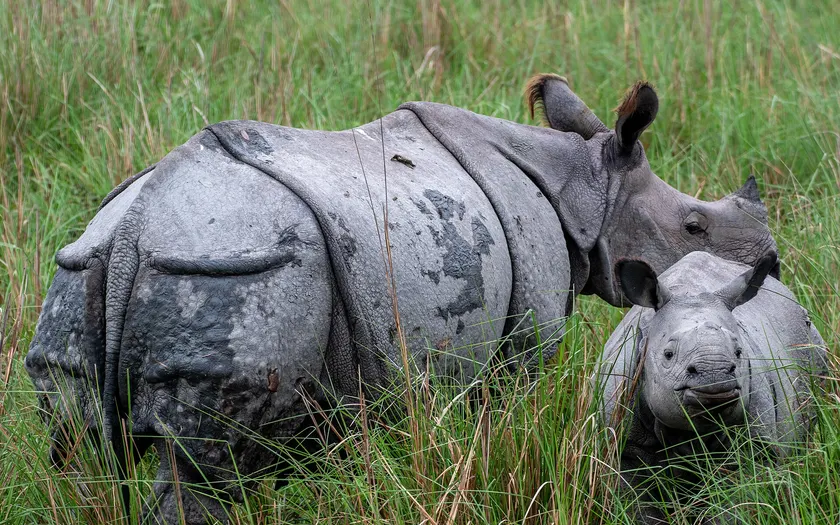 Animals
A rhino calf in Manas makes rescued Ganga a grandmother
Ganga-A, born in the wild at Manas, has a healthy calf in the Bansbari range. Her mother was a flood orphan hand-reared and released in 2010.
Verified · The Times of India Community
Koppal students wrote and drew 14 picture books of their own
Nineteen government-school students in grades 5 to 8 spent more than a year making the books. They were released Saturday at Bengaluru's National Gallery of Modern Art.
Verified · The Hindu