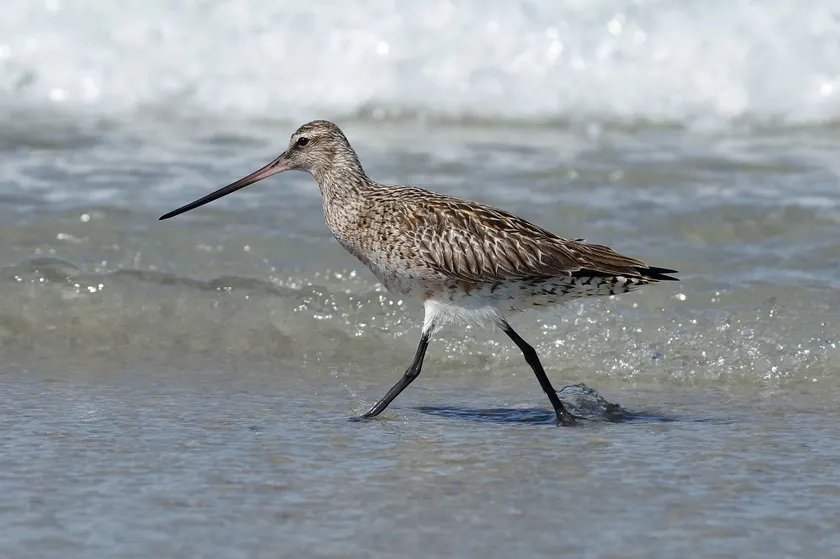
A godwit named Phil flew from Norfolk to Siberia and came home
The Guardian reported that a 6-gram tracker followed one bar-tailed godwit from the Wash to the Taymyr Peninsula and back, a round trip of about 6,800 miles.

Read the original
The reporting lives at The Guardian. Our summary is checked against it, and we link it on every story.
The Guardian reported on November 19, 2026, that a bar-tailed godwit called Phil has finished a round trip of about 6,800 miles between Norfolk and Siberia. It is the first time this migrant's route from Britain has been mapped in that detail. The Wash Wader Research Group fitted a tracker weighing 6 grams in January and named the bird for Phil Ireland, the group's longtime leader.
The tracker followed him from the Wash to the Wadden Sea coasts of the Netherlands, Denmark, and Germany in March, then to the Taymyr Peninsula in central Siberia in late May. On the return he crossed the Arctic Ocean off northern Norway, paused on three small Norwegian islands, and came back through the Wadden Sea. He has been recorded again at RSPB Snettisham, where thousands of birds pack the shore at the highest tides. RSPB coastal adviser Jeff Kew said a bird tagged on the Wash in January had gone thousands of miles and made it back. Dr Nigel Clark of the research group said the Wash is Britain's most important coastal wetland for migratory waders, and that Phil's track shows it is one stop on a longer flyway, the east Atlantic route used by millions of birds between the Arctic and South Africa. The news is this one mapped journey.
For the classroom
The Guardian reported on November 19, 2026, that a bar-tailed godwit named Phil flew from Norfolk in England to Siberia and back. A tracker weighing 6 grams was fitted in January. In March he reached the Wadden Sea. In late May he was on the Taymyr Peninsula in central Siberia. On the way home he crossed the Arctic Ocean off northern Norway and stopped on three small islands. He is now back at RSPB Snettisham, on the Wash. The bird is not much larger than a pigeon. His route is one part of a flyway used by millions of birds.
- A tracker that small still has to be carried for months. Why would scientists want it to be light?
- Phil used wetlands in more than one country. What is one reason a bird might need more than one stop?
For a teacher to read with a class. Print the story of the day · Morning announcements · All classroom stories · This week's Good News Friday pack
Snettisham, United KingdomBirdsWildlife conservationGood news on November 19
More good news
Other stories in the same neighborhood of kindness.
 Animals
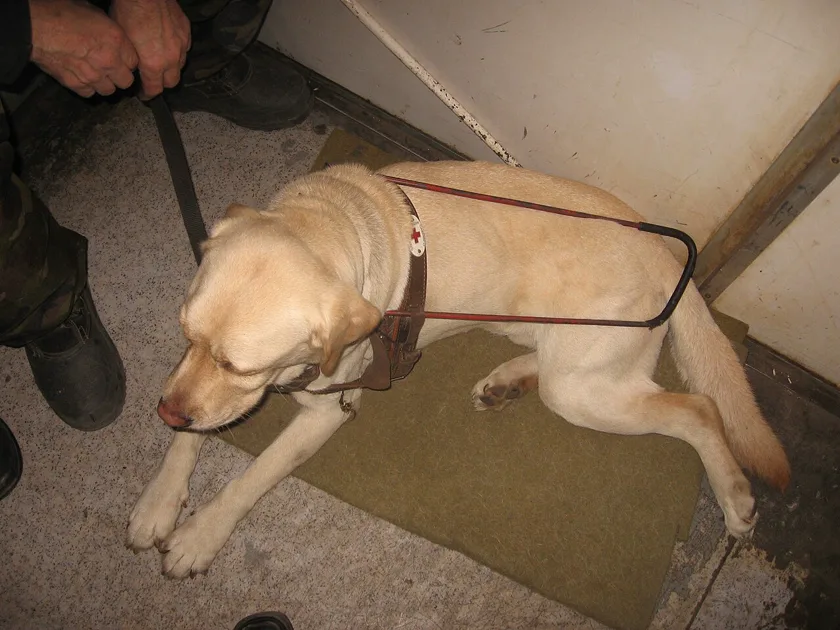
A Lower Earley couple is raising Heath, and Berkshire wants 25 more puppy homes
BBC News reported that Guide Dogs has 17 puppies being raised in Berkshire, including a two-month-old named Heath, and is looking for 25 more volunteer homes.
Verified · BBC News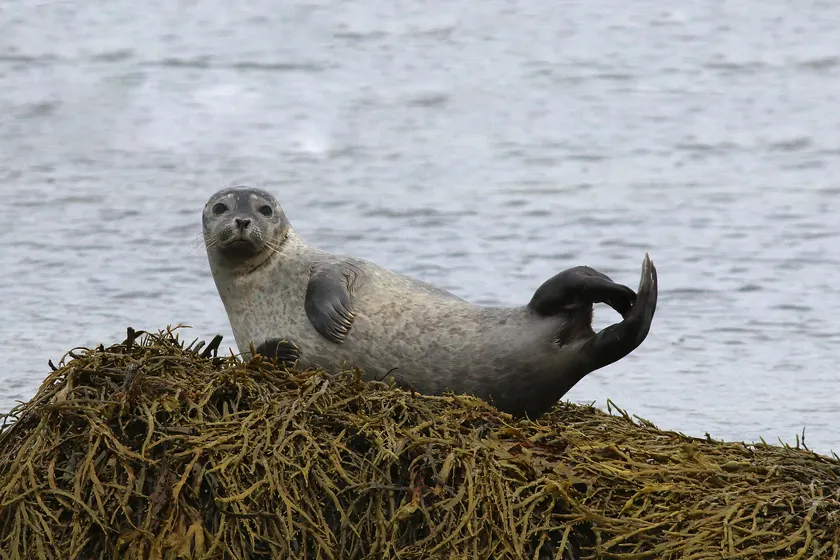 Animals
Jarvis the seal is back in the pool with his friends after eye surgery
Staff at the Cornish Seal Sanctuary in Gweek say cataract surgery on Jarvis's right eye has cleared enough that he can see better, and he has settled in with Bo and Buddy.
Verified · BBC News Animals
Donors secure 215 acres of long-unfarmed grassland near Hawthorpe
BBC News reported that £400,000 in public gifts, on top of a £1 million grant, let Lincolnshire Wildlife Trust agree to buy grassland that has not been actively farmed for more than 40 years.
Verified · BBC News