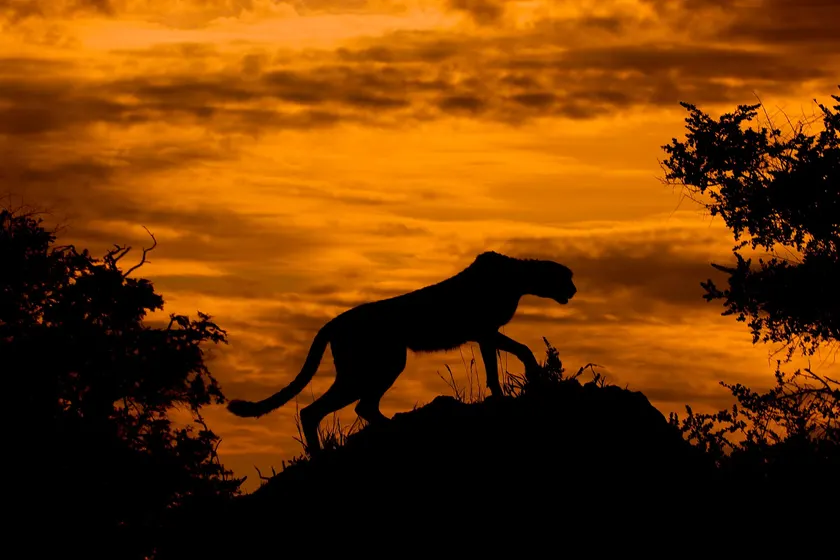
Captive-born cheetahs released into South African reserves are raising cubs
Twelve collared cheetahs went into seven fenced reserves that already held wild cheetahs. Three died. The surviving females all had cubs.

Read the original
The reporting lives at The Wildlife Society. Our summary is checked against it, and we link it on every story.
Twelve cheetahs born in captivity were released into seven fenced game reserves in South Africa, fitted with GPS collars, and followed for two years. The Wildlife Society reported the results on October 21, 2026, from a study in Conservation Science and Practice. Three of the twelve died. The others survived. Every female reproduced within four months of release. Together they produced 36 cubs and, from that next generation, 19 grandcubs.
The reserves already had wild cheetahs. The fences mean this is not a release into open, unfenced range. What the study shows is narrower, and still useful: captive-born adults can live alongside wild cheetahs on managed reserves and can raise young there. The three deaths are part of the result, not a footnote to skip. The cubs born in the United States and shown at a Virginia conservation center are a different litter, and they are not these animals.
More good news
Other stories in the same neighborhood of kindness.
 Animals
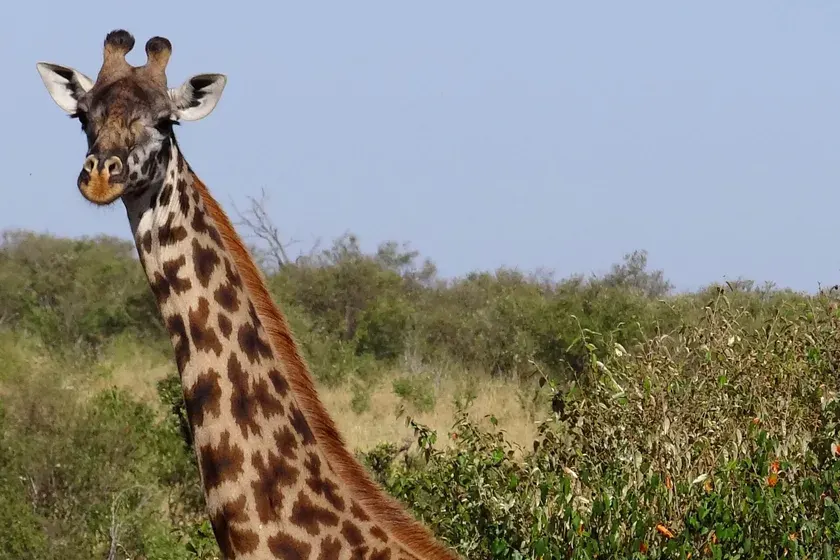
A snared giraffe at Bisley was found by drone and treated
Searchers near Pietermaritzburg used a drone, with air-traffic permission, to find a young female wearing a wire snare. A vet treated her, and she stood and walked.
Verified · The Witness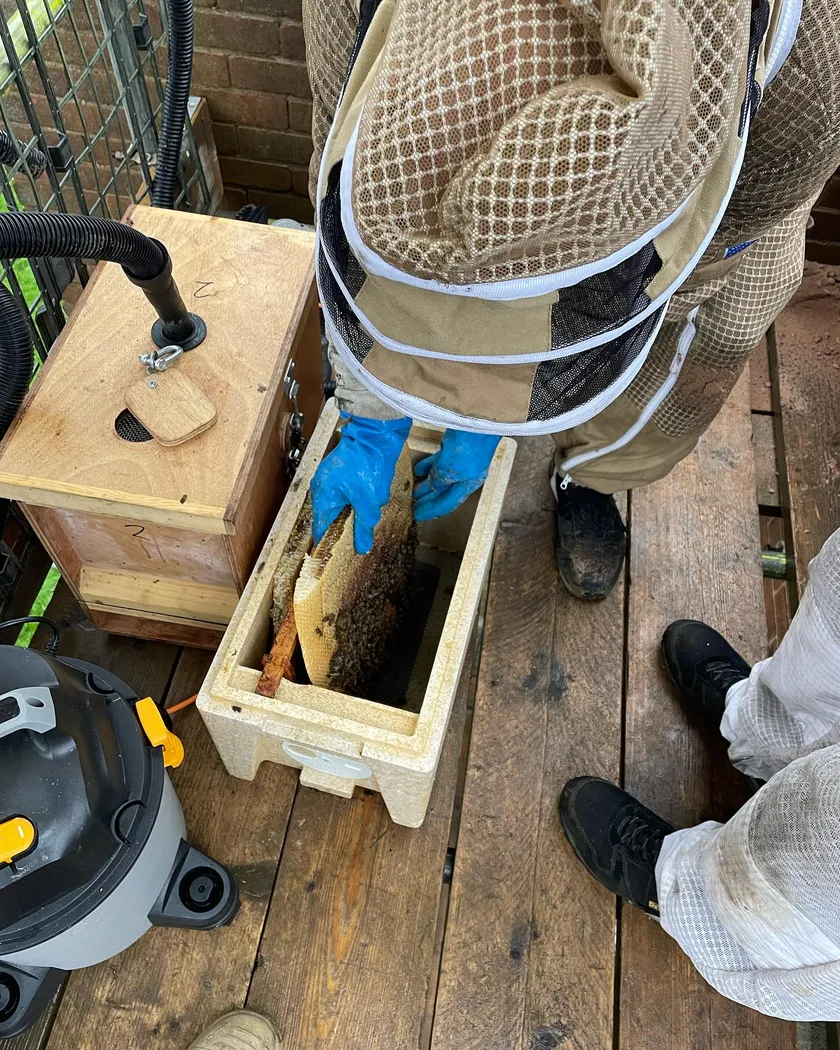 Animals
A father and son have moved more than 250 wild bee colonies out of Cape Town
The Cape Honeybee Conservancy boxes up colonies from walls and gardens and takes them to farms, including nine hives at an organic wine estate in Elgin.
Verified · Africanews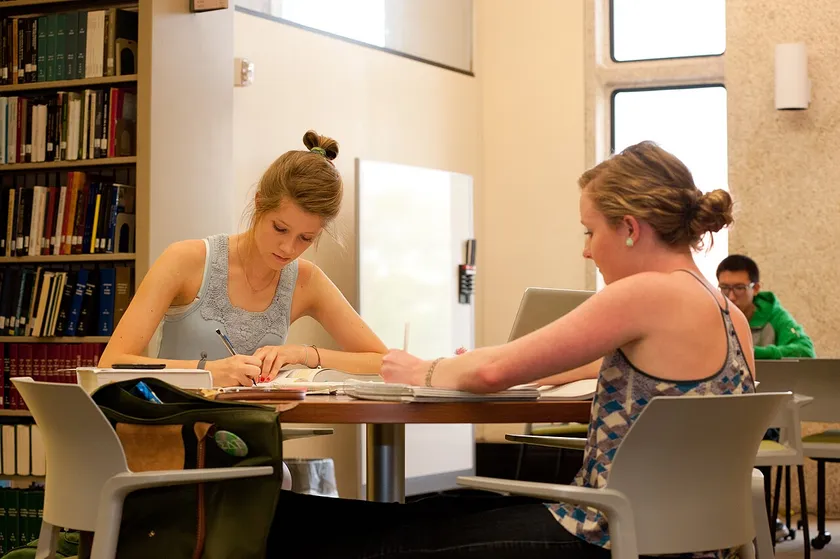 Community
Heideveld Primary opened a library named for a retired principal
The Cape Town school celebrated the Rosdien Desai Legacy Library on October 22, with classes set to split time between books and computers.
Verified · Athlone News