Centennial Park let ladybirds and wasps handle the aphids on its roses
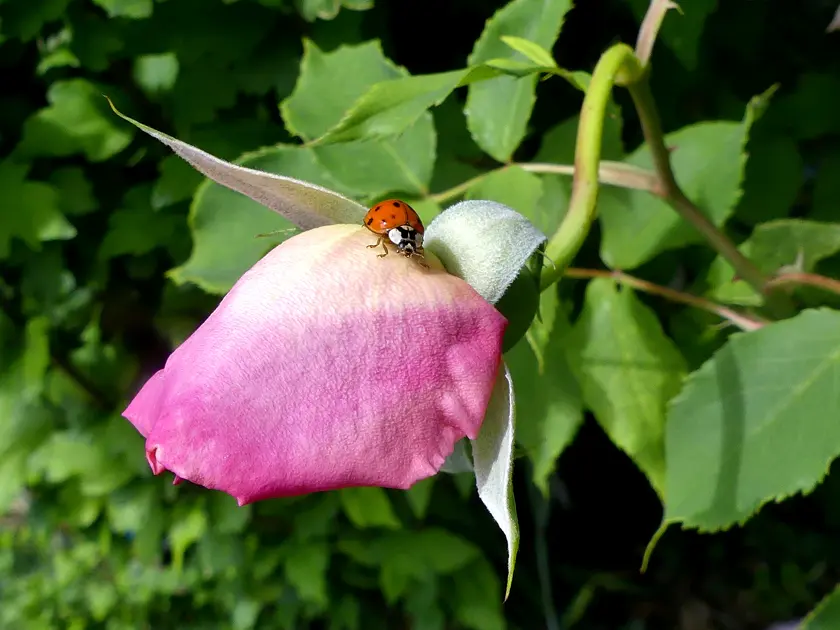
ABC News reported that Greater Sydney Parklands released about 1,000 ladybirds and thousands of parasitic wasps across 800 rose plants, and skipped routine chemical sprays.

Read the original
The reporting lives at ABC News. Our summary is checked against it, and we link it on every story.
Centennial Park in Sydney is using ladybirds and parasitic wasps, instead of routine chemical sprays, against aphids in its rose garden. ABC News reported the work on November 12, 2026. The rosarium was planted about 1909 by the park director of that time, Joseph Maiden. It now has 33 varieties and about 800 rose plants overlooking Busbys Pond. Senior horticulturalist Tristan Harman said a heavy aphid infestation follows winter pruning. Left alone, he said, the aphids would stop the plants looking like roses. Aphids distort leaves, can pass on viruses, and often leave a path for black mould.
Thousands of parasitic wasps and their eggs were released. The adult lays eggs inside an aphid, the larva eats the aphid from the inside, and an adult wasp later emerges. About 1,000 ladybirds were tipped onto the roses to eat aphids directly. Five batches go out from September to early November. Harman said the insects had already won after the second release, in late September. This is the second year he has run the releases. A South Australian company supplied three kinds of wasps, eggs, and live ladybirds. This year's insects cost about 1,300 Australian dollars. Harman said spraying for aphids also kills bees and other insects the garden is not trying to kill. He put yearly visits to the park at about 17 million people, including wedding parties, and said staff try to keep the garden at a high standard without spraying unless they have to. The result he described is this season's roses, after those releases. It is not a promise for every pest in the park.
For the classroom
ABC News reported on November 12, 2026, that Centennial Park in Sydney is using ladybirds and tiny wasps, instead of routine chemical sprays, to deal with aphids on its roses. The rose garden was planted around 1909 and now has about 800 plants. About 1,000 ladybirds were tipped onto the roses to eat the aphids. Thousands of wasps were released too. A wasp lays eggs inside an aphid. Senior horticulturalist Tristan Harman said the insects had already done the job after a release in late September. He said sprays that kill aphids can also kill bees.
- Why might a garden choose ladybirds instead of a spray?
- The rose garden is more than a hundred years old. What is one reason a city would keep it?
For a teacher to read with a class. Print the story of the day · Morning announcements · All classroom stories · This week's Good News Friday pack
More good news
Other stories in the same neighborhood of kindness.
 Community
Mackay's 1956 torchbearers met again, seventy years on
ABC News reported that men now in their 80s and 90s gathered in Mackay on Saturday. One of them, Eric Ross, ran his mile north of The Leap at about 2 a.m.
Verified · ABC News Community
Hobart planted young giant sequoias for a park's 100th year
ABC News reported that dozens came to St David's Park on Friday to watch two sequoias, aged 5 to 7, go into the ground.
Verified · ABC News Community
Cellist Charlotte Miles won Australia's young performers prize
She played Elgar's cello concerto with the Sydney Symphony Orchestra at the Opera House. The award is $40,000 and a solo album with ABC Classic.
Verified · ABC News