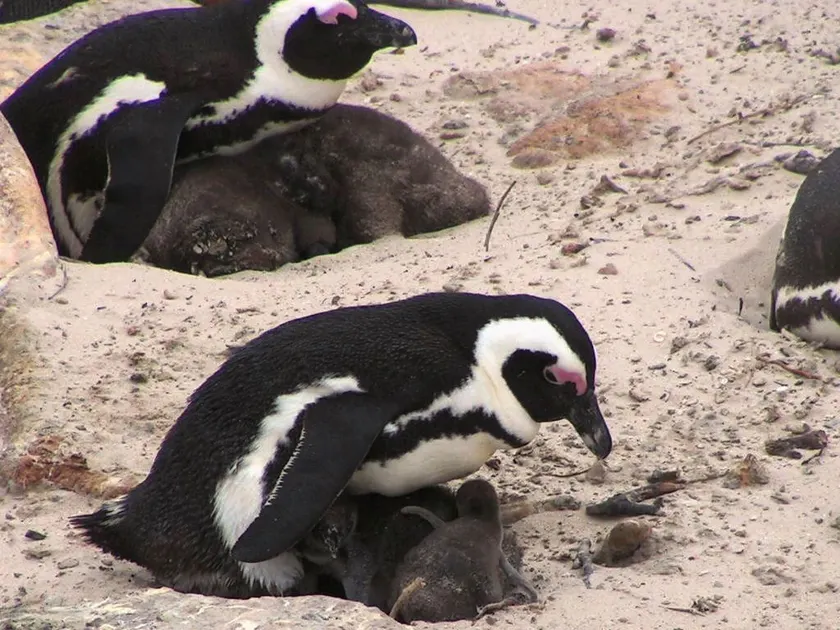
Keepers in Szeged are raising a spectacled penguin chick by hand
The chick hatched on August 27 at the Szeged Wildlife Park after its mother died. Hungary Today, citing the national news agency, said it can join the colony in about a month.

Read the original
The reporting lives at Hungary Today. Our summary is checked against it, and we link it on every story.
Keepers at the Szeged Wildlife Park are hand-raising a spectacled penguin chick that hatched on August 27. Hungary Today, drawing on the Hungarian news agency MTI, reported on November 9, 2026, that both parents had themselves been born at the park. The mother died, and the father could not raise the chick alone, so staff took over. The paper said a chick this age would have been learning to take food from a keeper's hand anyway, which also makes it possible to give medicine.
The next step is a slow introduction to the colony, about a month away, so the chick and the other birds can get used to each other. The first spectacled penguins, also called African penguins, arrived at the park in late 2011 under a European breeding program. The first chick there hatched in 2014, and the group has grown each year since. Downy chicks cannot swim until later feathers are waterproof. The news is this one hand-raised chick. It does not describe how the species is faring on the coast of southern Africa, where the paper notes threats that include oil spills and less food.
More good news
Other stories in the same neighborhood of kindness.
 Animals
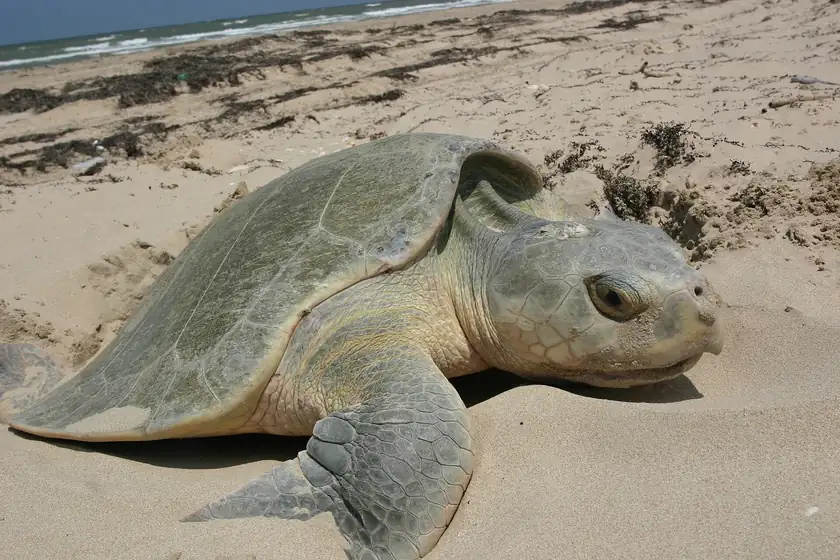
Kemp's ridley sea turtle nests on Texas beaches jumped 55%
Crews and volunteers documented 697 nests of the world's most endangered sea turtle on Texas beaches in 2026, up from 449 in 2025.
Verified · National Park Service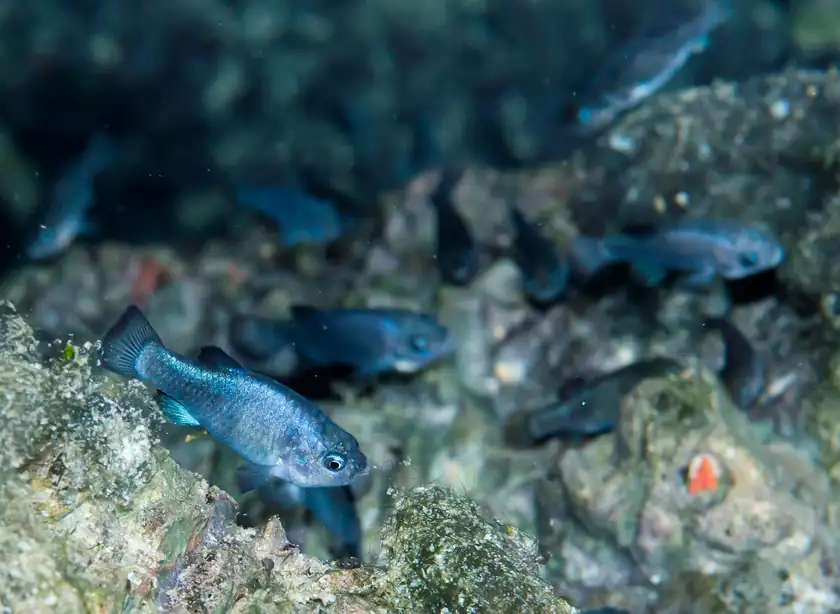 Animals
The world's rarest fish more than doubled in Devils Hole
The fall survey counted 137 Devils Hole pupfish, up from 69 a year earlier. Biologists think most hatched in the wild cavern after earthquakes had knocked the numbers down.
Verified · SFGATE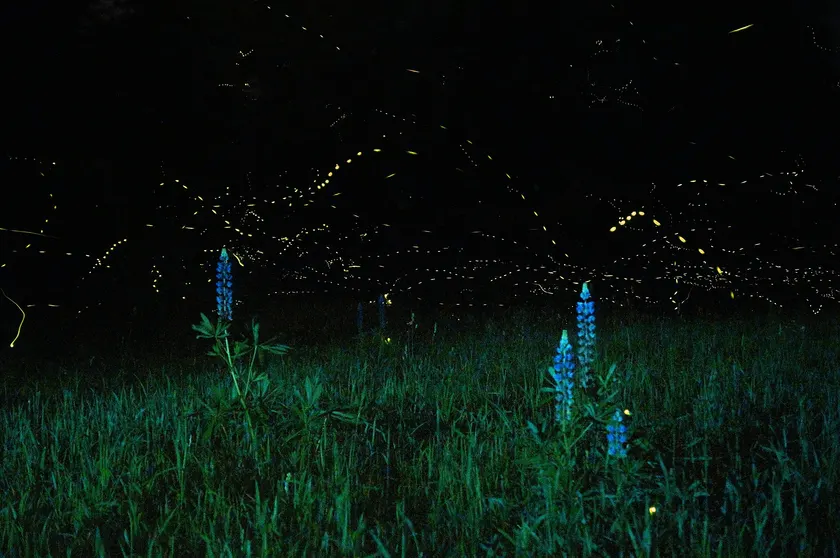 Animals
A Bali farm has released nearly 20,000 fireflies
Mongabay reported that Bring Back the Light, on a family farm in Taro, breeds native fireflies and has helped four neighboring farmers drop chemical pesticides.
Verified · Mongabay