A photograph put the Ghana cuckooshrike back on the record in Côte d'Ivoire
Field researchers photographed the orange-and-black bird in Taï National Park. It had not been documented since 2013, when it was seen in Ghana. The photo is one bird, not a population count.

Read the original
The reporting lives at Mongabay. Our summary is checked against it, and we link it on every story.
Mongabay reported on November 3, 2026, that researchers photographed a Ghana cuckooshrike in Taï National Park in Côte d'Ivoire, the first scientific documentation of the bird in 13 years. The last record was in 2013, in Ghana's Atewa Forest. Stephanie Bartlett, a field fellow with the International Bird Conservation Partnership, got the picture while Paulo Ditzel called out the bird's movements. She told Mongabay she identified it from the photo before she had a clear look, because the birds will not let people come close. The image shows a small bird with an orange body and black and yellow wings.
Ditzel said West African researchers on the surveys were essential. The species, Lobotos lobatus, is thought to range from Guinea to Ghana in the Upper Guinean rainforest, in forest that logging and farms have broken into patches. It was on the Search for Lost Birds list, which tracks species with no documentation for more than a decade. John Mittermeier, of the American Bird Conservancy and the lost-birds project, said a conservation plan is hard to write for a bird nobody has recorded in ten years. Saint Guillaume Odoukpe, an ornithologist at Université Félix Houphouët-Boigny who organized the Côte d'Ivoire trip, called Taï a treasure and said more is still there to find. The photograph is one bird in one park. It is not a population estimate.
For the classroom
Mongabay reported that researchers photographed a Ghana cuckooshrike in Taï National Park, in Côte d'Ivoire. The bird is small, with an orange body and black and yellow wings. No scientist had documented it since 2013, when it was seen in a forest in Ghana. Stephanie Bartlett took the picture while a teammate called out where the bird was moving, because these birds stay far from people. A team of West African researchers helped with months of surveys. The park is an important forest, and it still faces threats such as mining and hunting. The photograph shows that at least one of these birds is still there. It does not say how many others are left.
- Why might a scientist use a camera to identify a bird that will not come close?
- What is the difference between seeing one bird and knowing how many live in a forest?
For a teacher to read with a class. Print the story of the day · Morning announcements · All classroom stories · This week's Good News Friday pack
Taï, Cote d'IvoireBirdsWildlife conservationGood news on November 3
More good news
Other stories in the same neighborhood of kindness.
 Animals
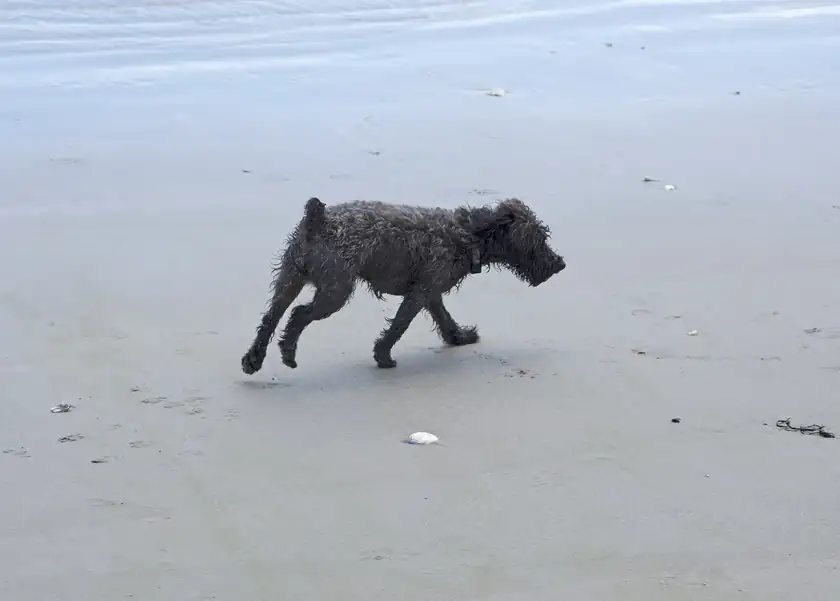
A Maui dog with a failing heart is running again after a pacemaker
Community help got 3-year-old Moka from Maui to Washington State University for a pacemaker. He is back on the beach with a stable heart rate.
Verified · Hawaii News Now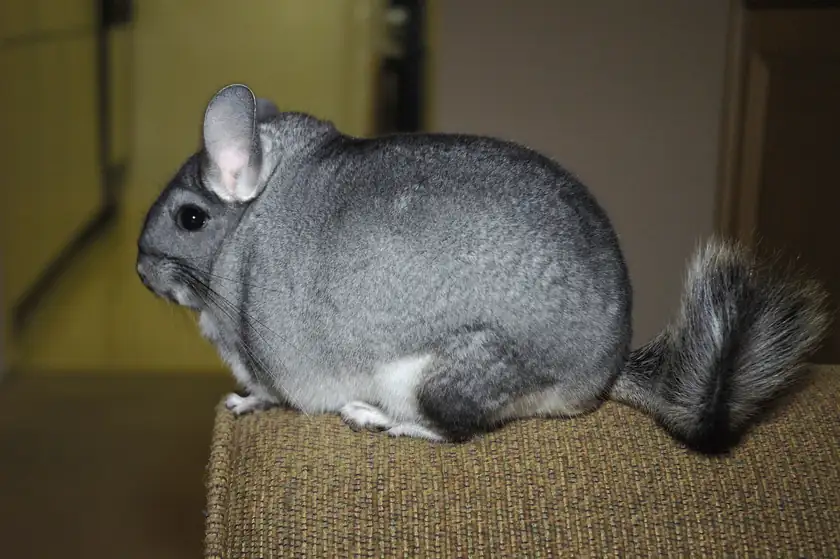 Animals
Humane World rescued 951 chinchillas from an Ohio breeding facility
At the Justice Department's request, responders removed 642 chinchillas in October and 309 more on Nov. 3 from R & R Chinchilla in Jenera.
Verified · Humane World for Animals Animals
A Blue Ridge clinic treated 37 animals and moved six shelter dogs
Dogs Deserve Better Blue Ridge's free Farmville clinic provided spay, neuter, and rabies shots for 19 cats and 18 dogs, covered unexpected medical care, and moved six dogs out of a full county shelter.
Verified · The Farmville Herald