Viewers watched the first royal albatross egg of the season at Taiaroa Head
The bird known as L laid on a nest left from last season, in front of the colony camera. Four more eggs have followed, after a season that sent 38 chicks out to sea.
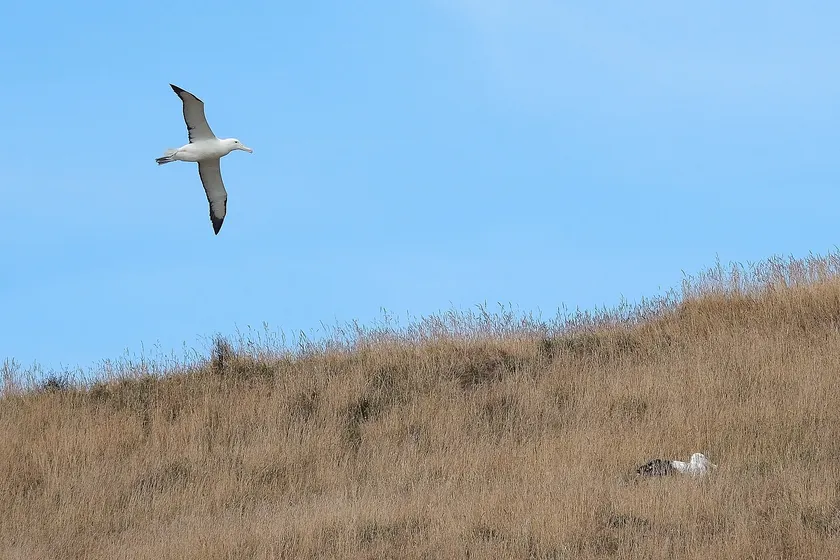

Read the original
The reporting lives at RNZ. Our summary is checked against it, and we link it on every story.
People watching the royal albatross camera at Taiaroa Head saw the season's first egg being laid. RNZ reported it on November 4, 2026. The Department of Conservation said the female known as L, who returned to the Pukekura colony in mid-October, used a nest from last season instead of building a new one. Ranger Sharyn Broni said it was the first time viewers had watched a laying, and that she had never heard one this noisy. L and her mate are already trading shifts on the egg. Incubation runs about 79 days. Rangers plan to check in 10 to 12 days whether the egg is fertile.
The Royal Cam, run with Cornell University's Lab of Ornithology, draws millions of views a year. Broni called it a way for people to meet toroa, a taonga species, up close. Four more eggs have been laid since Sunday. Chicks from the last breeding season have just finished fledging, and DOC said 38 left the colony, tying a record. Broni, who has done this work for 30 years, remembered seasons with about 10 fledglings and said she hopes the birds will eventually need less hands-on care. The colony is co-managed by Te Poari a Pukekura with Te Rūnanga o Ōtākou, the Korako Karetai Trust, and Dunedin City Council, with support from the Otago Peninsula Trust. Chairman Bill Karaitiana said the camera is teaching people the birds' 11-month breeding season. The news is this egg, the four that followed, and last season's 38 chicks. It is not a forecast for every nest still to come.
For the classroom
Radio New Zealand reported on November 4, 2026, that viewers of a live camera watched a royal albatross lay the first egg of the season at Taiaroa Head. The female, called L, used a nest from last season. She and her mate take turns sitting on the egg. That sitting lasts about 79 days. Rangers will check in 10 to 12 days whether the egg can grow into a chick. Four more eggs have been laid since that Sunday. Last season, 38 chicks left the colony. Thirty years ago the colony sent out about 10 chicks a year. The camera shows this nest, not every albatross in New Zealand.
- Why do both parent birds take turns sitting on one egg?
- What is one reason a live camera might help people care about a bird they cannot visit?
For a teacher to read with a class. Print the story of the day · Morning announcements · All classroom stories · This week's Good News Friday pack
Dunedin, New ZealandBirdsWildlife conservationIndigenous communitiesGood news on November 4
More good news
Other stories in the same neighborhood of kindness.
 Animals
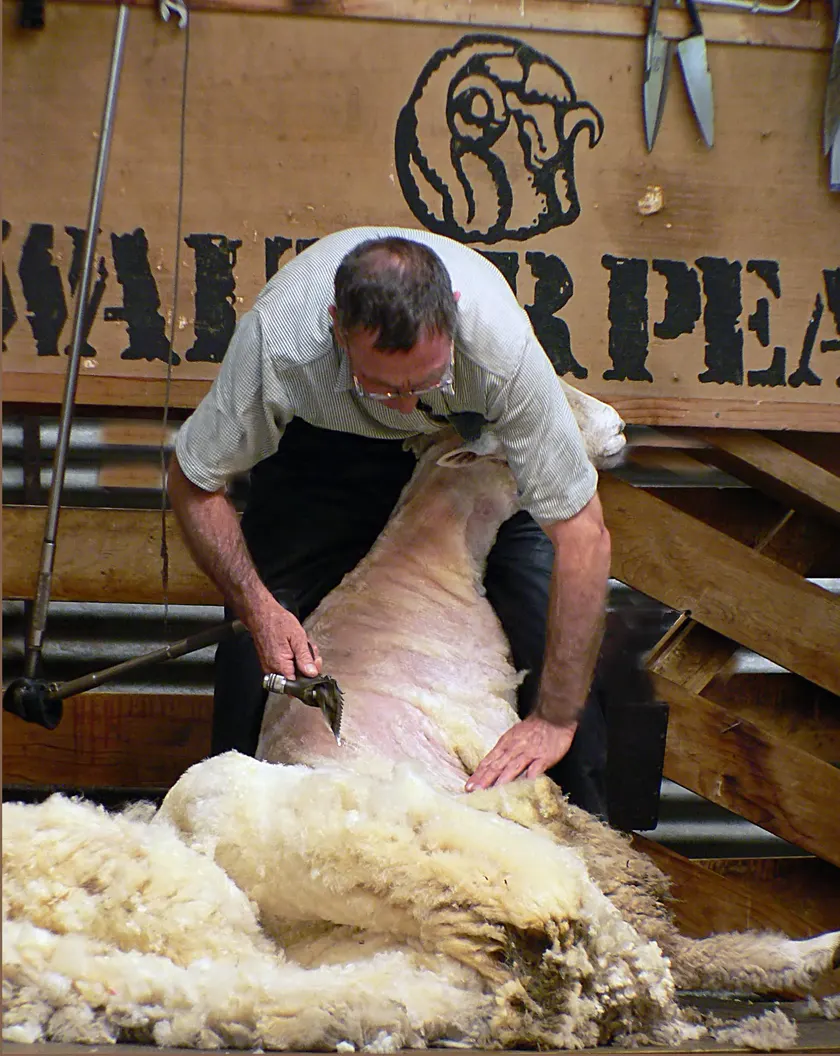
Two wool-heavy sheep on Te Mata Peak finally got a shear
A Napier SPCA team, a farmer, and three dogs caught the pair after earlier tries failed. An ex-shearer took the fleeces off, and the farmer is keeping them.
Verified · RNZ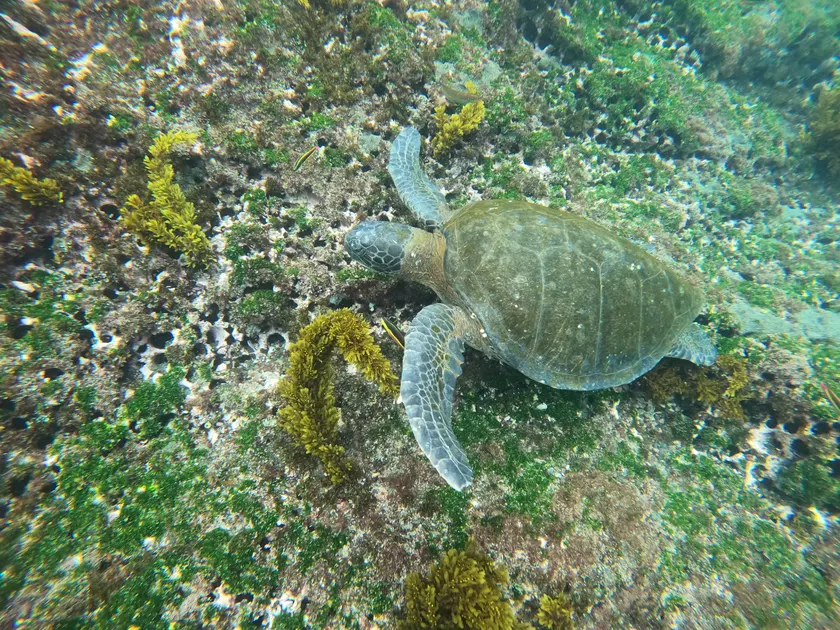 Animals
Satellite tags show where New Zealand's sea turtles linger
Eleven rehabilitated green turtles, tracked for months, keep returning to a handful of northern harbours. One swam nearly to Wellington and back.
Verified · RNZ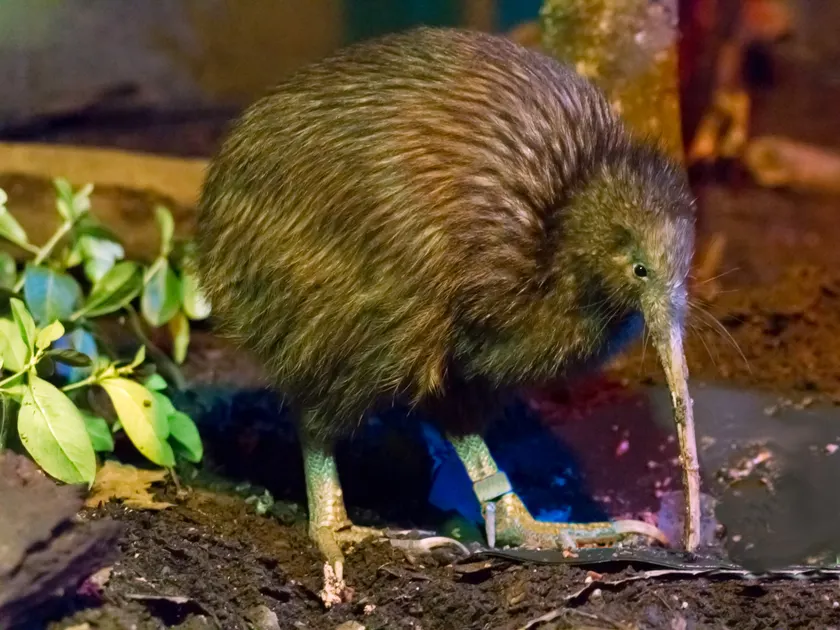 Animals
Russell's kiwi now outnumber the people who live in town
After more than 20 years of neighbourhood trapping, volunteers say about 2,500 kiwi live around Russell, roughly three times the town's permanent population.
Verified · RNZ