A Kilgore fire drone found a missing woman south of Lake Cherokee
A 73-year-old woman with Alzheimer's disease had been missing for about two hours near County Roads 2126 and 2126A. Kilgore Fire Marshal Terry Linder spotted her with a thermal drone about three-quarters of a mile from home.

Read the original
The reporting lives at CBS19. Our summary is checked against it, and we link it on every story.
A 73-year-old woman with Alzheimer's disease was found safe on Wednesday after she walked away from home in Rusk County, CBS19 reported. The Elderville-Lakeport Volunteer Fire Department was sent to County Roads 2126 and 2126A, south of Lake Cherokee. Spokesman Josh Stelly said she had been missing for about two hours before the call, and that she also has dementia and is a hospice patient.
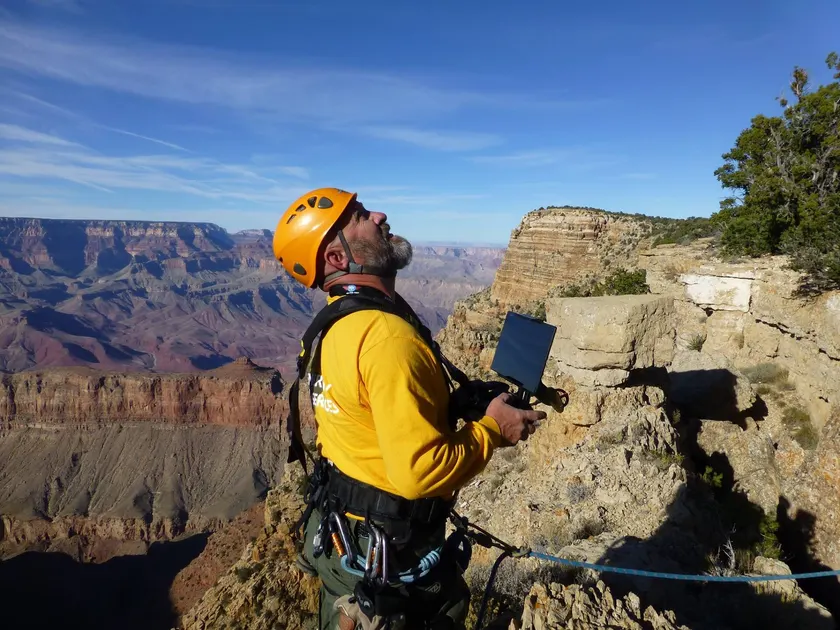
About 10 to 15 people started the search, including members of the Rusk County Sheriff's Office and the Tatum Police Department. With temperatures dropping and darkness coming, they asked the Kilgore Fire Department to fly its thermal-imaging drone. Fire Marshal Terry Linder brought the department's new drone. He said a person shows up when their body is warmer than the air around them.
After about 90 minutes, Linder found her about three-quarters of a mile from where she was last seen. The ground search was in woods, with trails and few ways in. Stelly said the drone may have saved four to six hours of walking that ground. Linder said the aircraft does not replace people on the ground, but it puts an eye in the sky, and that bringing a search to a safe conclusion is a happy moment. The departments did not release her name. Stelly also urged families caring for someone with Alzheimer's disease or dementia to ask a local agency about Project Lifesaver, which uses a radio wristband to help crews find a person who wanders.
Heroes in TexasTatum, TexasSearch and rescueFirst respondersFirefightersGood news on November 4
More good news
Other stories in the same neighborhood of kindness.
 Heroes
Two Lufkin officers received Life-Saving Awards for a house-fire rescue
Officers Laura Blackwell and Seth Johnson crawled through smoke from opposite ends of a burning home on Oct. 9 and guided an elderly woman out. The city presented Life-Saving Awards on Nov. 3.
Verified · KLTV Heroes
Austin firefighters roped a woman out of Shoal Creek
A caller reported a woman swept into the creek on West Avenue, screaming for help. Firefighters rappelled on a rope tied to a ladder and pulled her out. She went to the hospital with minor injuries and has been discharged.
Verified · KVUE Heroes
Lewisville firefighters took a car apart to free a cat named Sakura
Sakura was stuck deep in a Tesla, not perched under an open hood. Crews spent about 40 minutes taking the undercarriage apart, then handed her back to a family that had been searching for three hours.
Verified · Cross Timbers Gazette