Upper Teesdale's rare alpine plants get three years of seed funding
A local trust received £65,000 to collect seed from arctic-alpine plants and put it back on the fells with volunteers.
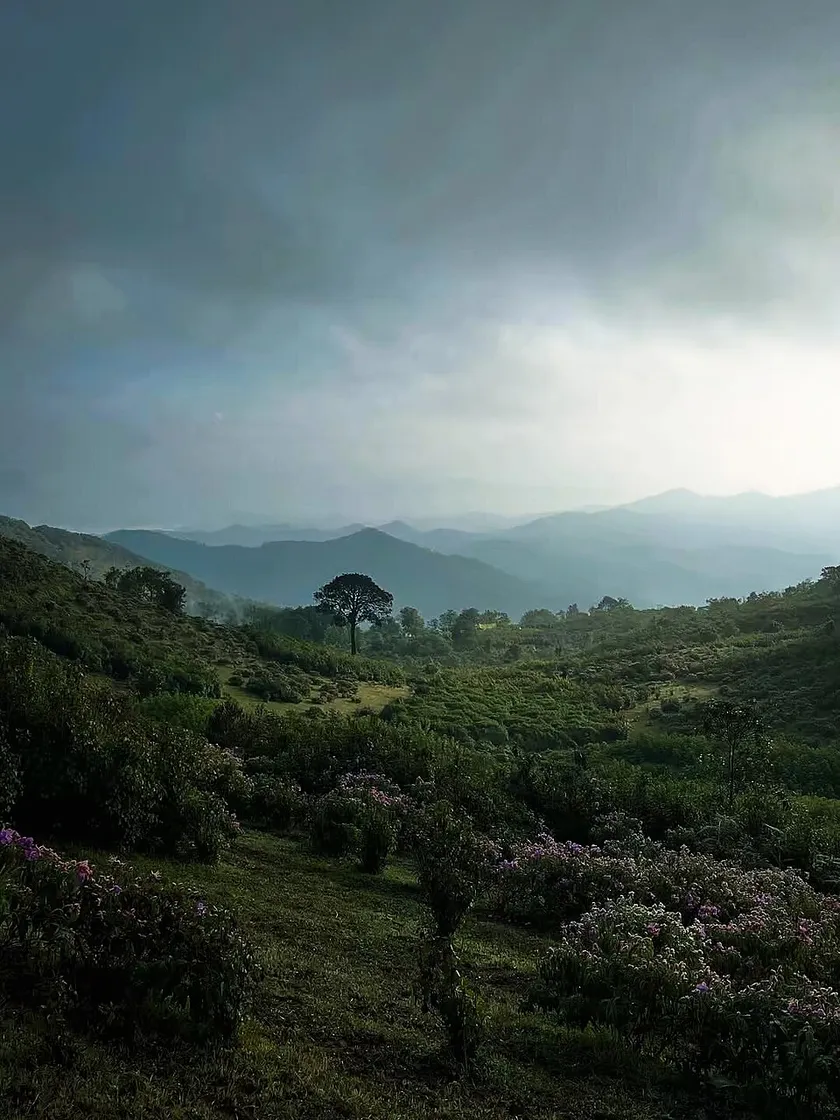

Read the original
The reporting lives at BBC. Our summary is checked against it, and we link it on every story.
A small conservation trust in County Durham has £65,000 for three years of work on some of England's rarest mountain plants. The BBC reported that the Teesdale Special Flora Research and Conservation Trust received the grant from the North Pennines National Landscape, through the Farming in Protected Landscapes programme.
Volunteers will collect seed and return it to the Upper Teesdale fells. The trust is also raising £15,000 of its own. Founder Dr Margaret Bradshaw has long studied the Teesdale Assemblage, about 20 rare arctic-alpine plants thought to have survived there since just after the last glaciation, roughly 10,000 to 12,000 years ago.
Sarah Tooze, natural heritage programme manager for the landscape, said the partnership looks forward to working with local farmers. The grant starts that work. It is not a finished restoration of the fells.
For the classroom
High on the fells of Upper Teesdale, in northern England, rare plants have hung on since the last ice age, about 10,000 to 12,000 years ago. About 20 kinds make up the Teesdale Assemblage. The Teesdale Special Flora Research and Conservation Trust, started by Dr Margaret Bradshaw, received £65,000 for three years through the North Pennines National Landscape. Volunteers will collect seed and put it back on the fells. The trust is also raising £15,000. Sarah Tooze said they look forward to working with local farmers. The grant starts the work. The plants are not restored yet.
- Why might a plant that likes cold places be rare now?
- How could collecting seed and putting it back help a hillside?
- What is one question you would ask a farmer who lives near rare plants?
For a teacher to read with a class. Print the story of the day · All classroom stories
More good news
Other stories in the same neighborhood of kindness.
 Science
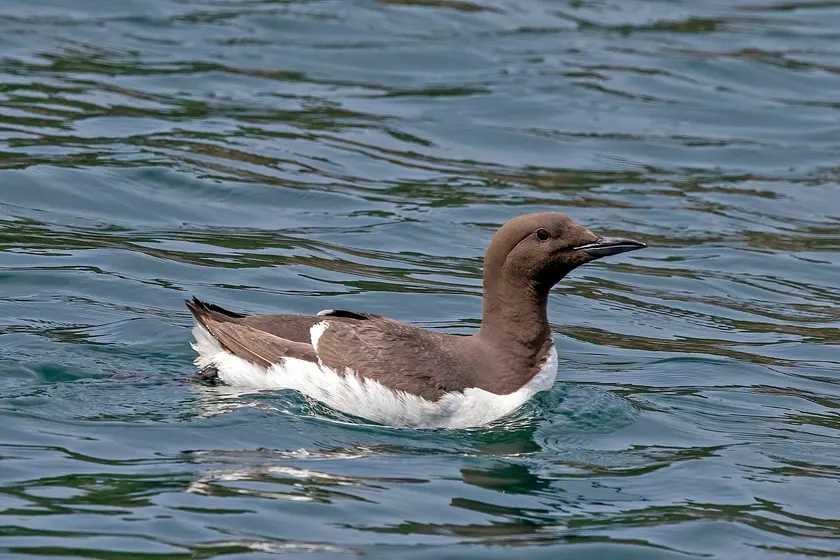
Simple gear cut seabird bycatch on Cornish fishing boats
A two-year trial with 10 Cornish fishers found looming-eye buoys and bird-shaped kites lowered the chance a diving bird was caught in nets.
Verified · The Guardian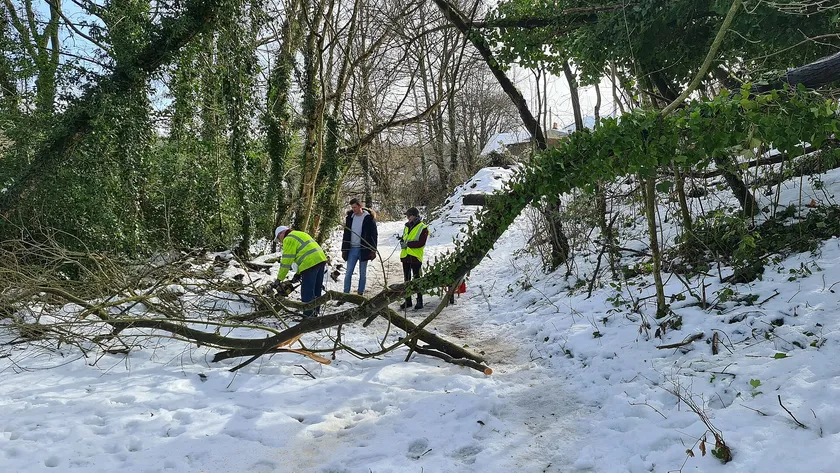 Community
Neighbors spent two days opening up a choked woodland in Greenham
Volunteers cut rhododendron and cherry laurel from an eight-acre wood near Newbury so light can reach the ground again.
Verified · BBC Animals
A Canterbury group is learning to free pigeons from tangled feet
Canterbury and Thanet Stringfoot Pigeons trained this month to remove string and hair from city birds without taking them from their flock.
Verified · BBC