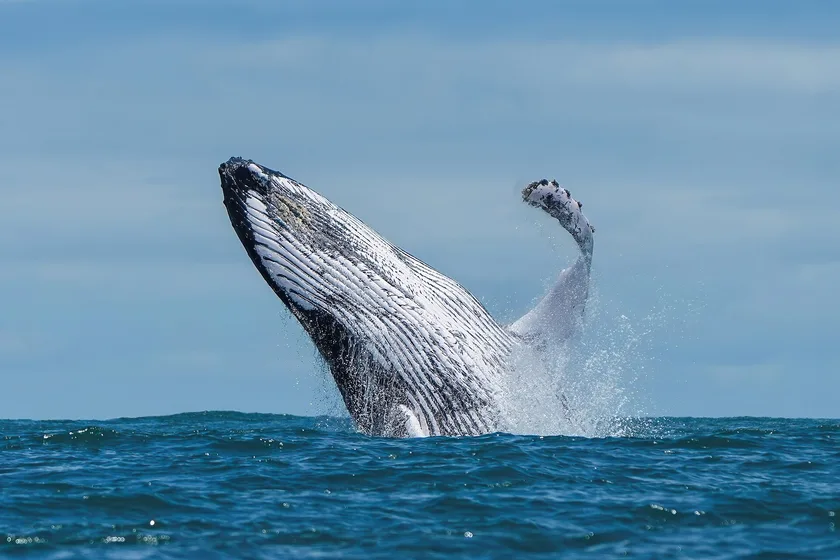
Humpbacks and sei whales are feeding again off the tip of Argentina
Mongabay reported that a Beagle Channel project has identified 208 humpbacks since 2013, and that sei whales are using the San Jorge Gulf as a feeding stop after a long absence.

Read the original
The reporting lives at Mongabay. Our summary is checked against it, and we link it on every story.
Whales are feeding again in waters at the southern end of Argentina where sightings had thinned for decades. Mongabay reported on November 27, 2026, that a local project in the Beagle Channel has identified 208 humpbacks since 2013 and has recorded a steady rise in sightings since at least 2018. A female called Shima has returned for eight years running. A young male called Buddha was seen again after several years away. A 2025 collaborative count, built from photographs taken by boat crews, guides, photographers, and tourists, identified 22 humpbacks in the channel, 17 of them new to the catalog. The animals are there to eat squat lobster and Falkland sprat. The markings on the tail are how researchers tell one whale from another.
Researchers said the return may reflect a wider recovery after bans on commercial whaling. They also said more whales in a busier channel means more risk of being hit by ships, including cruise traffic bound for Antarctica. Mongabay noted climate change, krill fishing, and offshore oil and gas plans as further pressure. Those are limits on the good news, not a reason to skip the counts.
Farther up the Patagonian coast, sei whales, an endangered species and one of the largest animals on earth, are using the San Jorge Gulf, between Chubut and Santa Cruz, as a feeding ground after nearly a century of absence driven by hunting. Over 15 years the population has rebounded. Researchers have satellite tags on two whales. Early tracks show them lingering in the gulf from October to June, eating squat lobsters, copepods, and small fish, then heading north toward southern Brazil, where they usually breed. Two tags are a start of a map. They are not a census of every sei whale in the South Atlantic.
For the classroom
Mongabay reported on November 27, 2026, that whales are feeding again near the southern tip of Argentina. In the Beagle Channel, people on boats have helped identify 208 humpback whales since 2013. One whale, Shima, has come back for eight years in a row. A 2025 count found 22 humpbacks there, and 17 of those were new to the catalog. Farther north, sei whales are using the San Jorge Gulf to feed. Researchers have put satellite tags on two of them. The whales still share the water with ships. More sightings are not a promise that every whale is safe.
- How can a photo of a whale's tail help people tell one whale from another?
- Where is the Beagle Channel, and which oceans does it connect?
For a teacher to read with a class. Print the story of the day · Morning announcements · All classroom stories · This week's Good News Friday pack
Ushuaia, ArgentinaWildlife conservationVolunteersGood news on November 27
More good news
Other stories in the same neighborhood of kindness.
 Animals
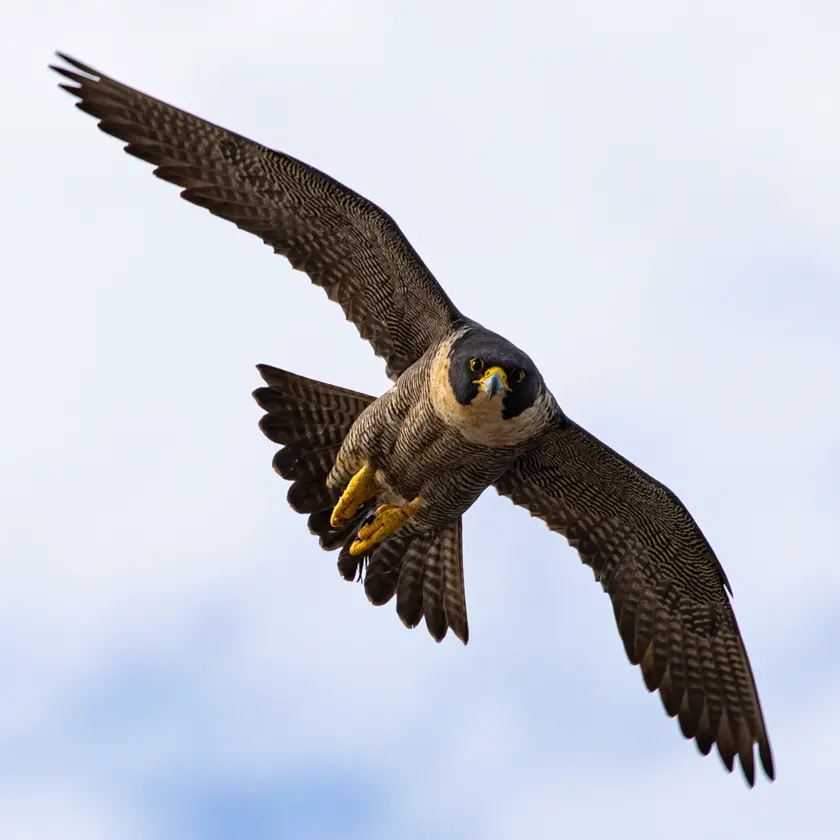
A caller helped officers recover a peregrine falcon in a Tucumán park
La Gaceta reported that rural and environmental officers picked up the bird in Parque 9 de Julio after a 911 call, and wildlife staff were to take it for return to the wild.
Verified · La Gaceta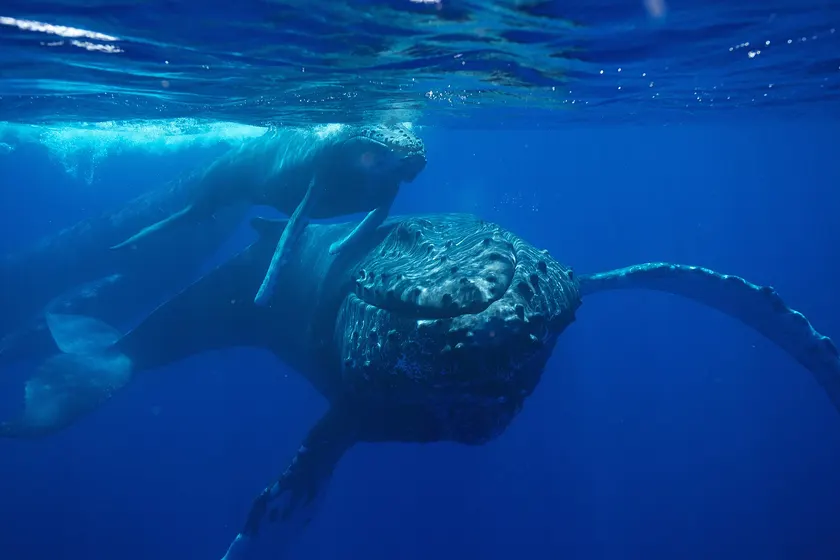 Animals
Lab tests confirmed a humpback mother and calf off Camarones
LU17 reported that genetic tests on biopsies identified a male calf residents had named Huellita. It is the first mother-and-calf record for Patagonia Azul Provincial Park.
Verified · LU17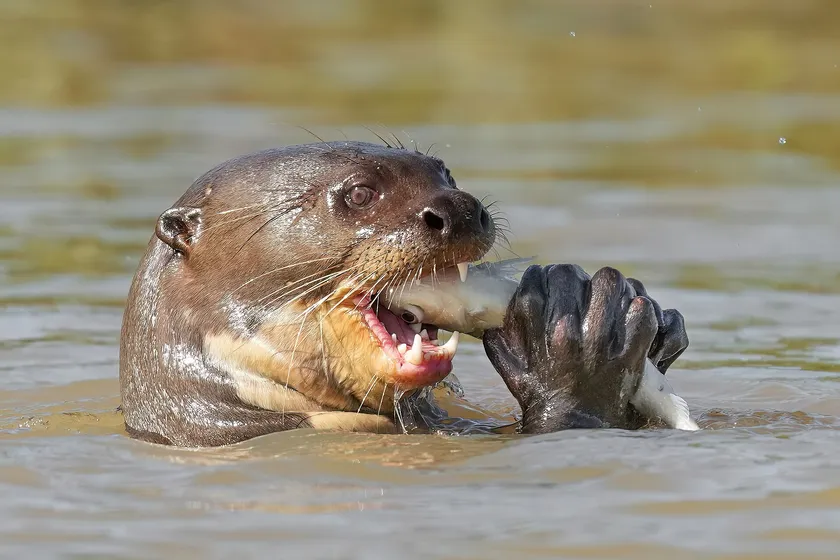 Animals
A giant otter born in Sweden is out in the wild in Argentina with his family
Nanay, his partner Arianha, and their seven young have been released where the species had disappeared. He is still wearing a transmitter.
Verified · SVT