An olive ridley nested on a Ventura beach, the farthest north on record
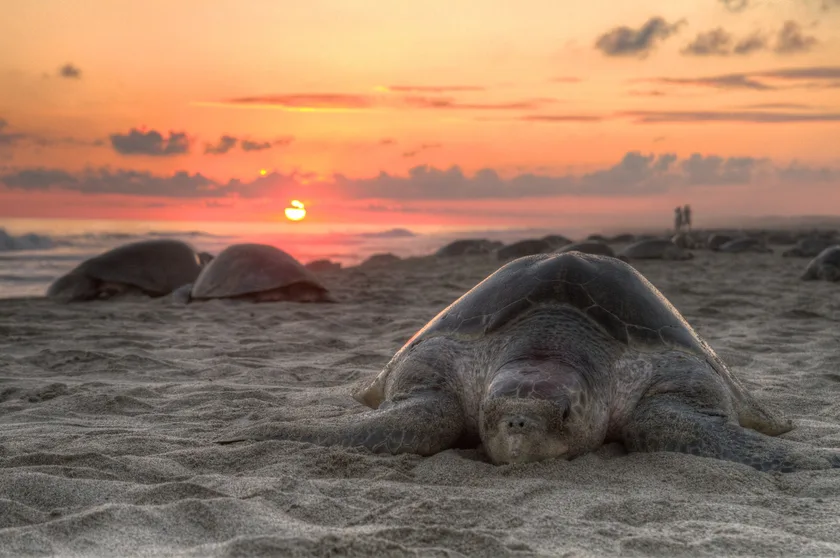
State Parks and U.S. Fish and Wildlife fenced a clutch at San Buenaventura State Beach and will watch it through a 45- to 60-day incubation. It is the third natural sea turtle nest known on the U.S. West Coast.

Read the original
The reporting lives at Los Angeles Times. Our summary is checked against it, and we link it on every story.
An olive ridley sea turtle nested on San Buenaventura State Beach in Ventura, the Los Angeles Times reported on November 3, 2026. A passerby alerted California State Parks on Sunday. The state called the U.S. Fish and Wildlife Service, which is responsible for sea turtles on land. Officials fenced the clutch between the shoreline and the boardwalk. Ventura resident Julie Scorsatto Weyers found the marked nest while walking on Tuesday.
It is the third naturally occurring sea turtle nest documented on the U.S. West Coast. The first two, in Seal Beach and Huntington Beach in September, were moved to the Aquarium of the Pacific ahead of storm surf and are nearing the end of incubation. Fish and Wildlife said there is no plan to move the Ventura eggs. The agency favors leaving this nest in place and watching it through the usual 45- to 60-day incubation, and it asked the public to keep a respectful distance. Before this September, the farthest known northern nest was about 700 miles south of Orange County, in Baja California Sur. The Times said the Ventura nest now holds that record. Hatchlings are not guaranteed. The eggs have not been disturbed to check them.
For the classroom
An olive ridley is a sea turtle that usually nests on warm beaches. The Los Angeles Times reported on November 3, 2026, that one laid a clutch of eggs on San Buenaventura State Beach in Ventura, California. State Parks and the U.S. Fish and Wildlife Service fenced the spot. It is the third natural sea turtle nest known on the U.S. West Coast. Earlier nests in Orange County were moved because of waves. These eggs are staying on the beach for 45 to 60 days. The Times said this nest is now the farthest north on record. No one knows yet if they will hatch.
- Why would a sea turtle nest much farther north than usual?
- Why leave these eggs on the beach when the earlier nests were moved?
- What should people do if they find a nest that scientists have fenced off?
For a teacher to read with a class. Print the story of the day · Morning announcements · All classroom stories · This week's Good News Friday pack
Animals in CaliforniaVentura, CaliforniaSea turtlesWildlife conservationParksGood news on November 3
More good news
Other stories in the same neighborhood of kindness.
 Animals
Twenty-two dogs, eight of them puppies, are rescued from an Oxnard riverbed
Ventura County Animal Services and Dog Days Search and Rescue brought in a pack of 22 dogs from an Oxnard riverbed, including eight puppies. They are being vaccinated, spayed or neutered, and microchipped, and they are available for adoption.
Verified · Los Angeles Times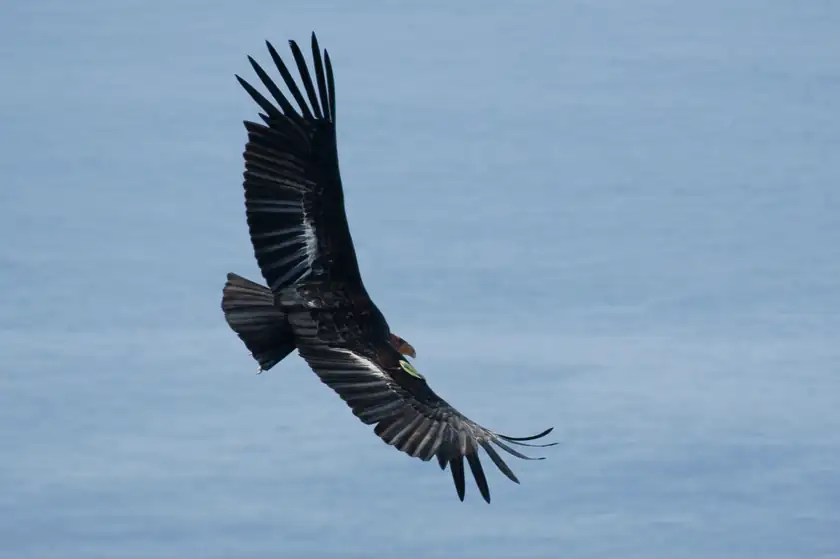 Animals
Seven young condors take flight in Yurok Country
The Yurok Tribe and Redwood parks released seven young California condors in Yurok Country. One of them is the 200th condor hatched at the San Diego Zoo Safari Park to go to the wild.
Verified · Popular Science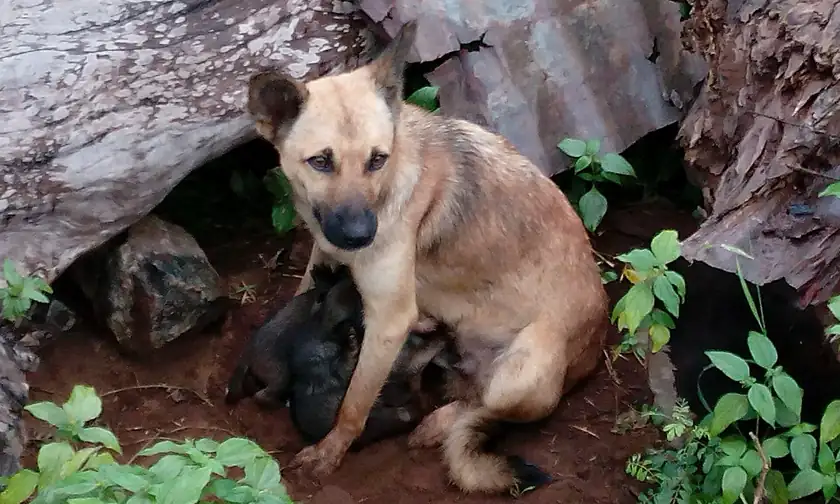 Animals
Officers reunite a mother dog with puppies found in a Madera basin
After weeks of searching for a pregnant dog, Madera County officers found her litter in a ponding basin and used hot dogs to bring her back to the puppies before the rain.
Verified · KMPH FOX26