Ōtari-Wilton's Bush marked 100 years as a native-plant garden
RNZ reported that the Wellington valley Job Wilton fenced against axes in the 1860s has been a native-plant garden since October 12, 1926, and the centenary was marked this year.

Read the original
The reporting lives at RNZ. Our summary is checked against it, and we link it on every story.
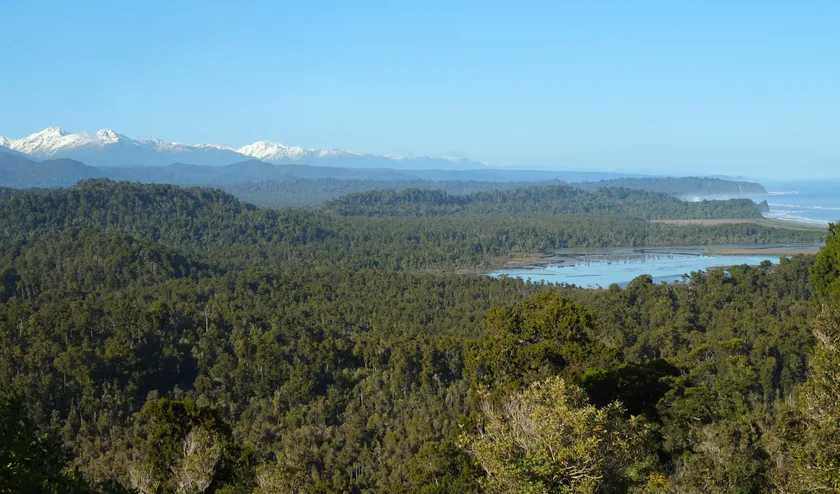
Ōtari-Wilton's Bush has marked 100 years since it opened as a native-plant garden, RNZ reported on November 24, 2026. The official opening was October 12, 1926. The Wellington park now covers more than 105 hectares, about 100 of them protected podocarp-broadleaf forest and about five a curated collection. Trust member Kathy Ombler said the idea from the start was to bring native plants there to protect them.
The valley's protection is older than the garden. The Wilton family arrived in Port Nicholson in October 1841, when Job Wilton was six. By 1860 he was farming in the Kaiwharawhara Valley and, against the habit of the time, fenced about 17 acres of forest away from stock and axes. Ombler said that left original northern rātā podocarp forest that was never cut. Māori knew the valley as Ōtari-kākā, the place of snares for kākā. It was gazetted as a forest reserve in 1906.
Botanist Leonard Cockayne then pressed the government and the city for an open-air native plant museum, at a time when public gardens were planted with English roses and clipped hedges. Trust chair Carol West said his plan had four parts: bring native plants from around the country for study, recreate ecosystems, restore the forest already there, and show that native plants belong in gardens. The centenary is that history and the forest still standing. It is not a new species list.
For the classroom
RNZ reported on November 24, 2026, that Ōtari-Wilton's Bush in Wellington has been a native-plant garden for 100 years. It officially opened on October 12, 1926. The park covers more than 105 hectares, most of it protected native forest. In the 1860s, Job Wilton fenced about 17 acres so sheep and axes would not take the trees, while most forest around the harbour was being cut. Māori knew the valley as Ōtari-kākā, a place where people snared kākā, a native parrot. Botanist Leonard Cockayne pushed for a garden of New Zealand plants when most public gardens grew English flowers. The anniversary marks that garden and the forest that was never cleared. It does not say every plant in the collection is safe.
- Why would one person fencing off trees in the 1860s still matter in 2026?
- What is a plant near you that you would want people to leave standing?
For a teacher to read with a class. Print the story of the day · Morning announcements · All classroom stories · This week's Good News Friday pack
More good news
Other stories in the same neighborhood of kindness.
 Community
A Motueka garden is growing Māori potatoes and kūmara for the community
RNZ reported that Te Māra o Puanga Kairau, on Wakatū land, fed a regional food meeting. A written strategy for the top of the South Island is aimed at September 2028.
Verified · RNZ Community
Rissington's volunteer firefighters opened a station the town can use as a hub
RNZ reported that the rural Hawke's Bay brigade blessed a purpose-built station on Saturday, with toilets, showers, stored water, and a room to coordinate help.
Verified · RNZ Community
The University of Otago opened a free seed library for vegetables and herbs
RNZ reported that students and the public can pick up seeds to grow food. Sciences librarian Karri Hartley started the library in response to the cost of living.
Verified · RNZ