TodayHealth & TechNorth Carolina
Early study: all 10 wounds closed with a placental cell therapy
In a first-in-human safety study from Wake Forest, all 10 stubborn diabetic foot ulcers fully closed within six months. It is not a cure.


Read the original
The reporting lives at Atrium Health Wake Forest Baptist. Our summary is checked against it, and we link it on every story.
A first-in-human study from the Wake Forest Institute for Regenerative Medicine tested a placental cell therapy on stubborn diabetic foot ulcers, Atrium Health Wake Forest Baptist reported. The study, published in Stem Cells Translational Medicine, included 10 patients. All 10 wounds fully closed within six months. Researchers reported no treatment-related serious adverse events.
This is an early safety study. Larger controlled trials are the next step. It is not a cure. The work is based in Winston-Salem, and ten patients is the whole group in this pilot.
Winston-Salem, North CarolinaMedical researchPublic healthSTEMGood news on November 12
More good news
Other stories in the same neighborhood of kindness.
 Health & Tech
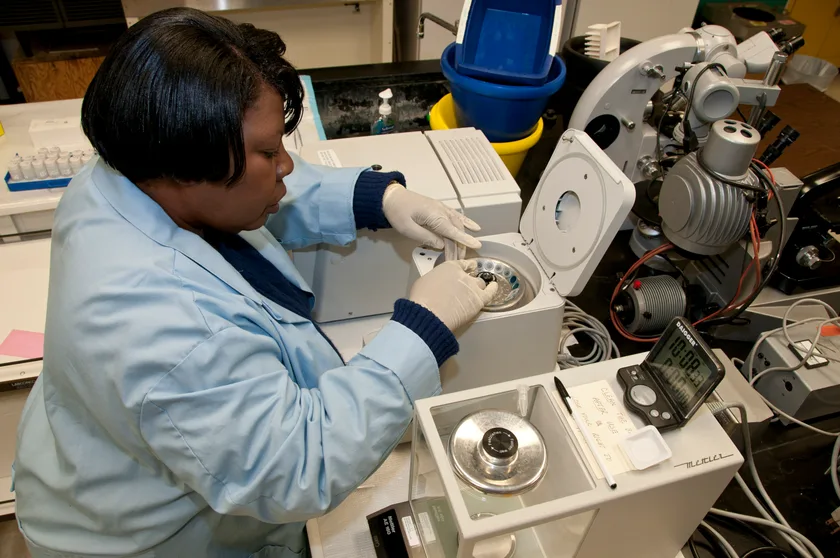
The FDA approved Lembaz, the first drug shown to help infantile-onset Niemann-Pick C patients live longer
The FDA approved Lembaz, a spinal injection every two weeks. Among 36 treated patients, median survival was 8.5 years versus 4.9 in matched controls. It carries a boxed warning for hearing loss.
Verified · U.S. Food and Drug Administration Health & Tech
FDA approves Roche's oral pill giredestrant for advanced breast cancer
The FDA approved giredestrant with everolimus for a specific advanced breast cancer. In a 207-patient trial it cut the risk of progression or death by 62%.
Verified · Reuters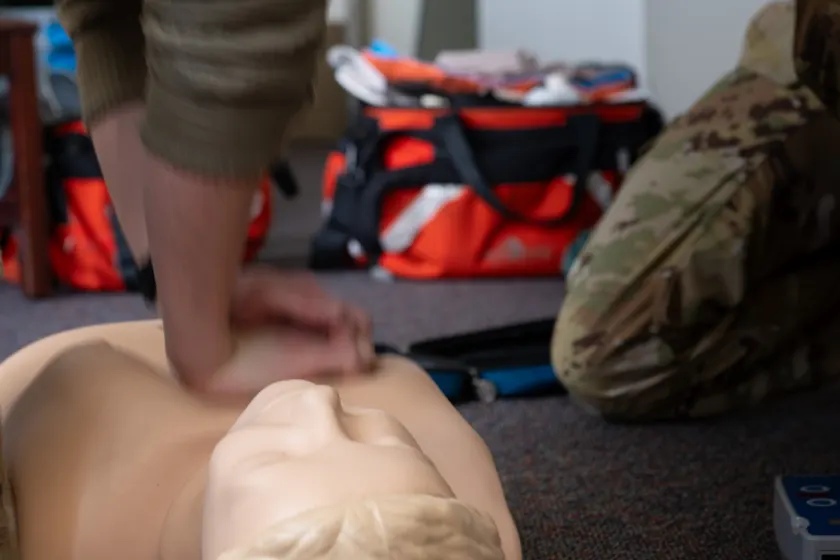 Heroes
Pamlico Rescue revived a man after bystanders started CPR
A Friday morning 911 call in Pamlico County turned into a collapse within minutes. Bystanders started CPR, dispatchers passed that along, and Pamlico Rescue revived him with a defibrillator. He is expected to recover.
Verified · WCTI