A sewing room in Addis Ababa turns out pads that girls can wash and reuse
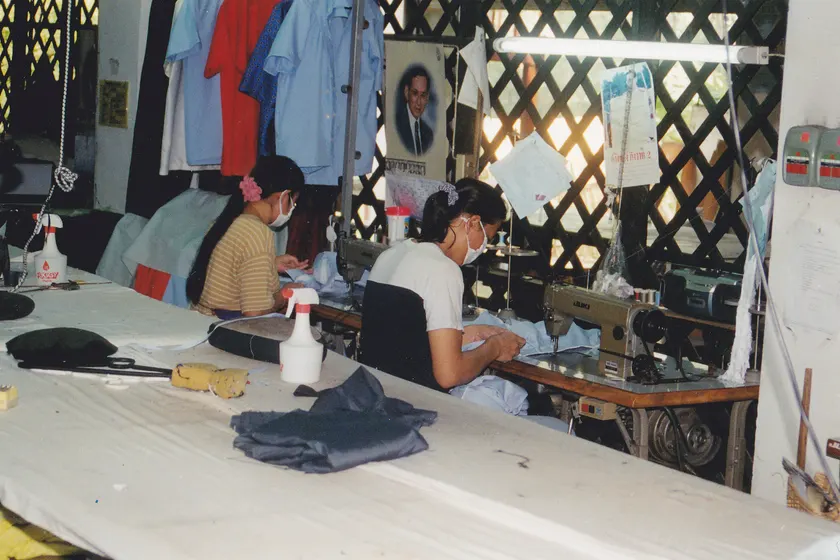
AFP reported that Hanan Ahmed's workshop can make about 1,000 cloth pads a day, meant to last up to two years. Sponsors, including banks, give them away.

Read the original
The reporting lives at Africanews. Our summary is checked against it, and we link it on every story.
In a small workshop in Addis Ababa, women are sewing washable cotton pads that can be used for up to two years. Africanews, citing AFP, reported on November 9, 2026, that founder Hanan Ahmed, 41, left fashion work to start Han's With Care in 2021 after years of missing school because disposable pads leaked and cost more than her family could manage. Ethiopia imports its disposable pads. Ahmed said the price puts them out of reach for many girls, and that a period can mean days away from class.
The workshop's capacity is about 1,000 pads a day. Sponsors, including banks, pay for pads that are then given away. At Nigat Kokeb School, a 15-year-old student told AFP the cloth pads were less likely to leak onto her clothes and could be washed and used again. Teacher Tigist Shewangizaw said the school talks with girls before a first period so they are less likely to stay home out of fear. Ahmed said stigma is still strong in parts of the country, including places where a girl can be kept apart from her household, and that she marks her own daughter's period at home as something to talk about rather than hide. The news is this workshop, the giveaway pads, and the school sessions. It is not a national supply of menstrual products.
Addis Ababa, EthiopiaKidsSchoolsPublic healthGood news on November 11
More good news
Other stories in the same neighborhood of kindness.
 Community
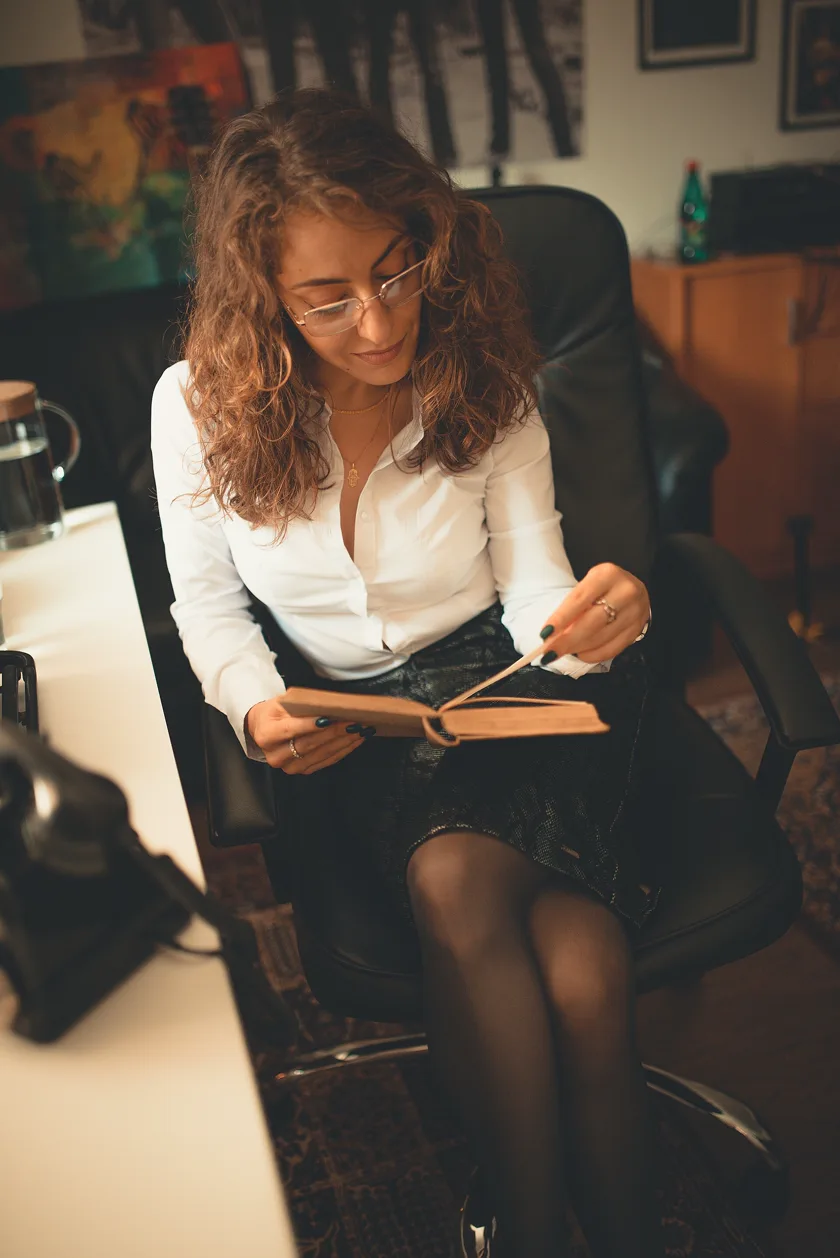
Librarians in Addis Ababa spent three days studying how to use AI
A United Nations course brought library workers together to practice metadata, data literacy, and the limits of machine-written answers.
Verified · UN Economic Commission for Africa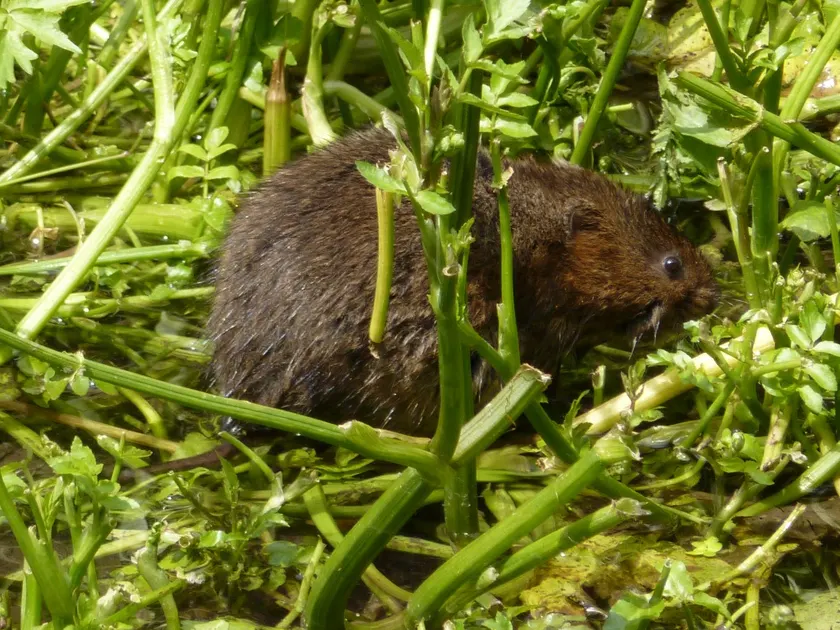 Science
Researchers in Yayu believe they found a mouse unseen since 1927
National Geographic reported that a team caught three animals they think are the Ethiopian water mouse. Genetic tests were still underway when the story was published.
Verified · National Geographic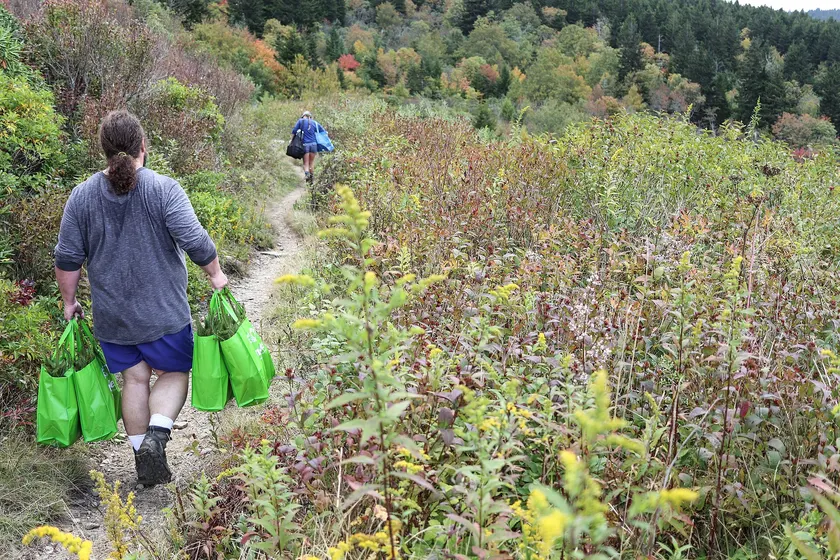 Community
A lottery grant will fund three hubs to restore Scotland's rainforest
The National Lottery Heritage Fund put almost £6 million into a five-year project led by Woodland Trust Scotland, with training in Torridon, Morvern, and mid-Argyll.
Verified · BBC