Researchers in Yayu believe they found a mouse unseen since 1927
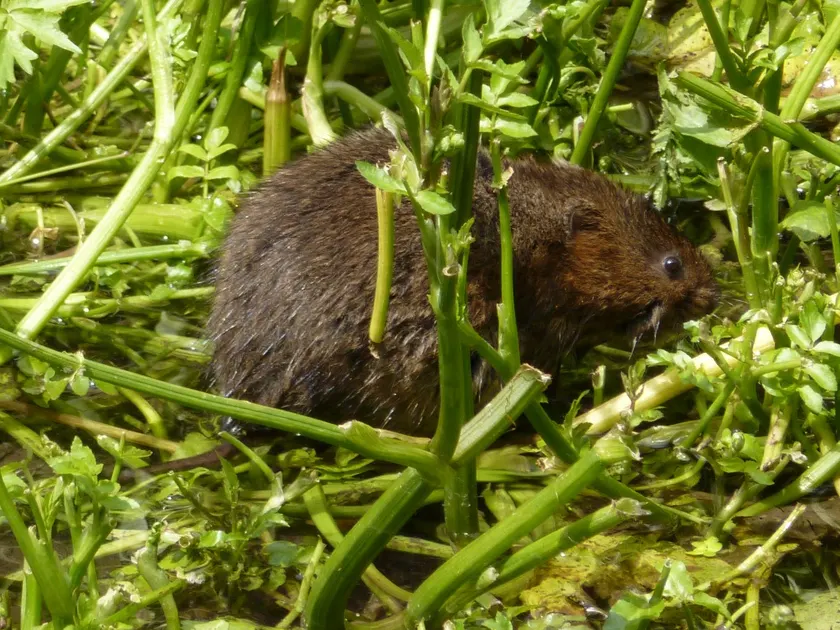
National Geographic reported that a team caught three animals they think are the Ethiopian water mouse. Genetic tests were still underway when the story was published.

Read the original
The reporting lives at National Geographic. Our summary is checked against it, and we link it on every story.
Researchers in south-western Ethiopia believe they have found the Ethiopian water mouse, an animal known from a single specimen collected in 1927 and described in 1928. National Geographic reported on November 9, 2026, that Mengistu Wale of the Ethiopian Biodiversity Institute pulled a large brown rodent from a trap and recognized the white spots behind its ears. He said he was 95 percent sure. The team then caught two more and matched their features to the 1928 description. Genetic tests were still underway, with a public announcement planned for November 10, so the identification was not finished in the lab when the magazine went to press.
The animals were not in the middle of the forest. They were in the transition zone of the Yayu Coffee Forest Biosphere Reserve, in a stream beside farmland where people wash clothes. The reserve is one of the last places wild arabica coffee still grows. Thomas Giarla of Siena University, who was not on the survey, said the mouse is distinctive enough that an expert's eye may hold up, and he still wants to see the genetic data. The species remains listed as critically endangered. The news is these three captures and a comparison with the old description. It is not yet a published genetic confirmation.
For the classroom
National Geographic reported on November 9, 2026, that researchers in Ethiopia think they found the Ethiopian water mouse. It was collected once, in 1927, and had not been seen in the wild since. Mengistu Wale found a brown rodent with white spots behind its ears in a peanut-butter trap. The team then caught two more. They were in a stream at the Yayu Coffee Forest Biosphere Reserve, beside farmland where people wash clothes. Genetic tests were still going when the magazine published, so this is a careful identification, not a finished lab result. The reserve is also one of the last places wild arabica coffee grows.
- Why would a mouse that lives in water be easy to miss?
- What else is special about the Yayu forest besides this mouse?
For a teacher to read with a class. Print the story of the day · Morning announcements · All classroom stories · This week's Good News Friday pack
Yayu, EthiopiaWildlife conservationSTEMGood news on November 9
More good news
Other stories in the same neighborhood of kindness.
 Community
Librarians in Addis Ababa spent three days studying how to use AI
A United Nations course brought library workers together to practice metadata, data literacy, and the limits of machine-written answers.
Verified · UN Economic Commission for Africa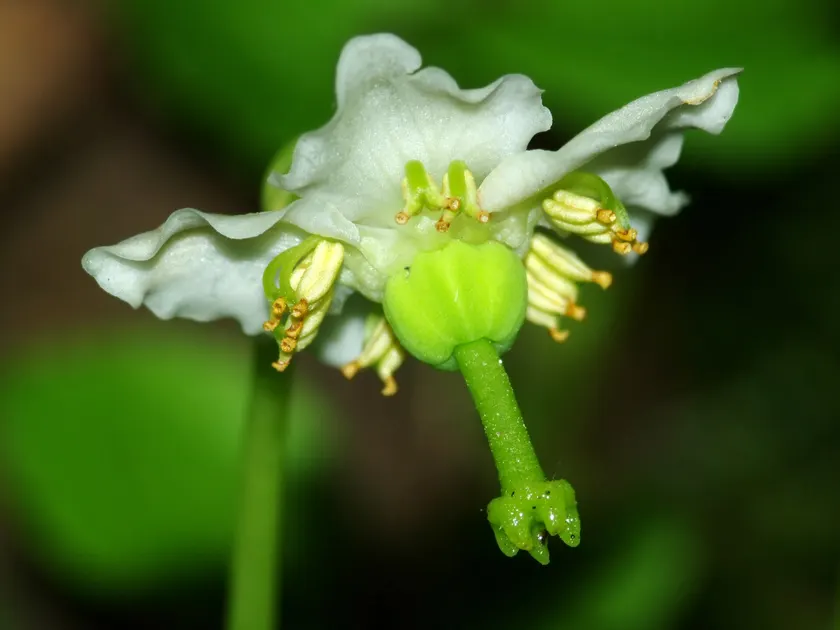 Science
About 3,400 rare wintergreens were moved off an eroding Scottish beach
Plantlife and partners dug up one-flowered wintergreens at Culbin Sands before the sea took them. NatureScot says survival in the new spot is not known yet.
Verified · BBC News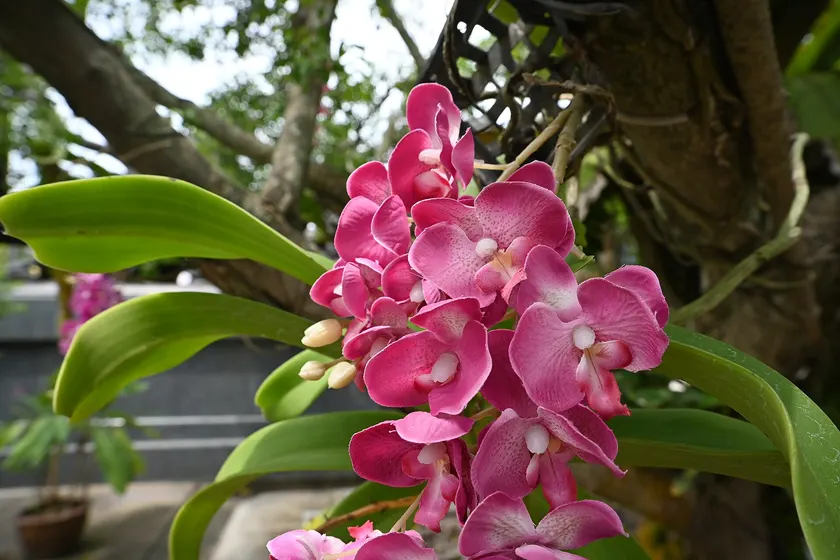 Science
More than 19,500 rescued orchids are still alive near Kozhikode
Researchers tied 27,324 tree-growing orchids onto trees at a beach and two public wetlands before road work felled their hosts. After one to two years, nearly 71 percent were alive.
Verified · Mongabay